Quick Answer
Your digestive system absorbs almost all the protein you eat, whether that is 20 grams or 90. Very little escapes unabsorbed. The idea that protein above a threshold is flushed away is a myth.
What is limited is how much protein your body can channel into building muscle in one go. That ceiling sits around 25 to 40 grams per meal for most adults, and it is higher for larger, more muscular people.
Protein beyond that ceiling is still used. It becomes energy, gets converted for other jobs, or supports tissues elsewhere. It is not wasted, it is just not extra muscle.
Absorption versus utilisation
Two different processes get confused in gym conversations. Absorption is your small intestine moving amino acids from food into your blood. Utilisation is what your body then does with them.
Absorption is remarkably efficient and remarkably patient. A large protein meal simply takes longer to digest. Amino acids trickle into the bloodstream over several hours instead of arriving in a rush, and almost all of them make it through.
Muscle protein synthesis is the process with a ceiling. It responds to a dose of protein, peaks, and then plateaus regardless of how much more arrives. That plateau is the number people are actually asking about.
Where the 25 to 40 gram figure comes from
Studies feeding different protein doses and measuring muscle protein synthesis found the response rising up to roughly 20 to 25 grams of high quality protein in younger adults, with diminishing returns after that. Later work using whole body measurements and longer observation windows found benefits extending further, up to around 40 grams.
Two things shift the number upward. More lean body mass means more tissue asking to be repaired. And training a lot of muscle at once, such as a full body session, raises the amount your body can put to work.
Age shifts it too. Older adults show a blunted response, so they typically need a larger dose, closer to 35 to 40 grams, to trigger the same effect that 25 grams triggers in a 25 year old.
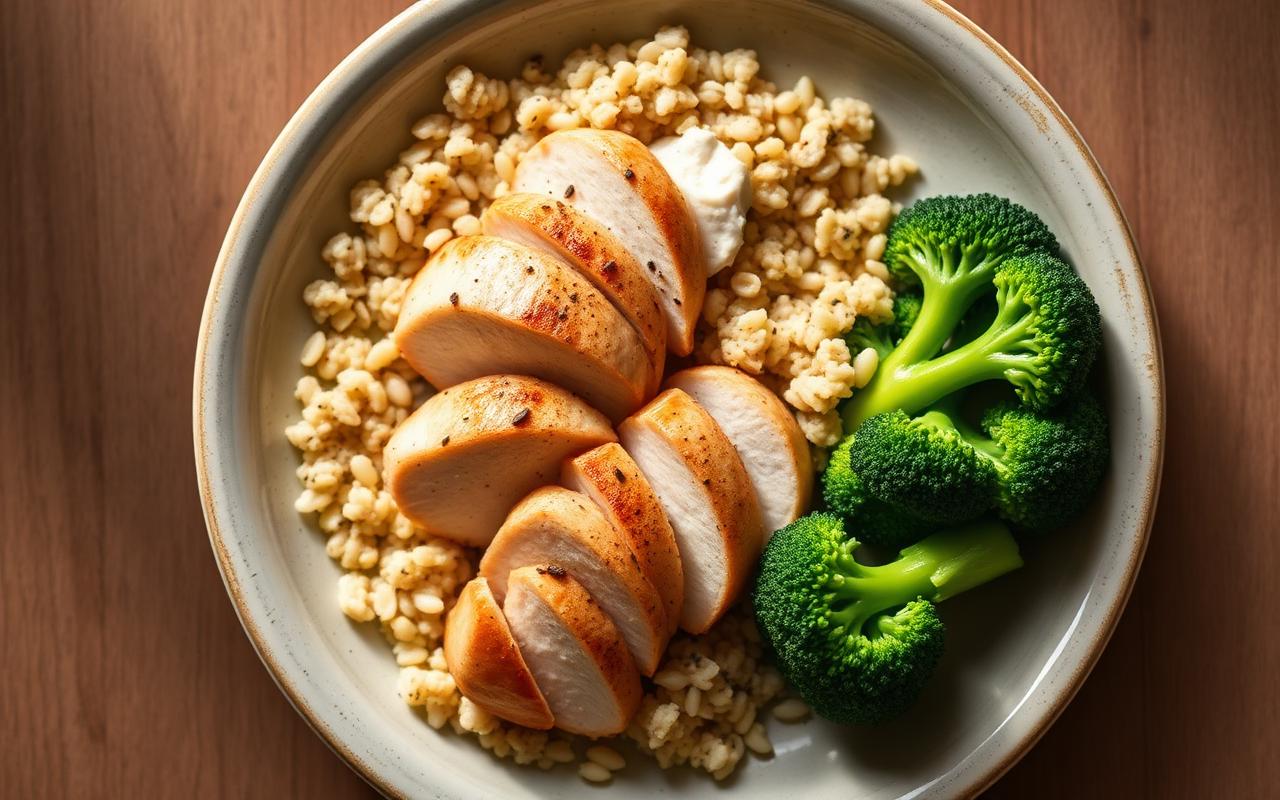
So does a 90 gram dinner do anything?
Yes. Research feeding very large single doses found that the body simply extends the digestion window and keeps using the amino acids over a longer period. People eating one enormous meal a day can still maintain muscle, though it is not the most efficient pattern.
What the science does not support is the fear that a big steak is mostly wasted. The overflow gets used for energy, for making other proteins, or is converted and stored like any surplus calories.
The practical conclusion is not "never eat a big meal". It is "if you have the choice, spread it out".
The distribution that works best
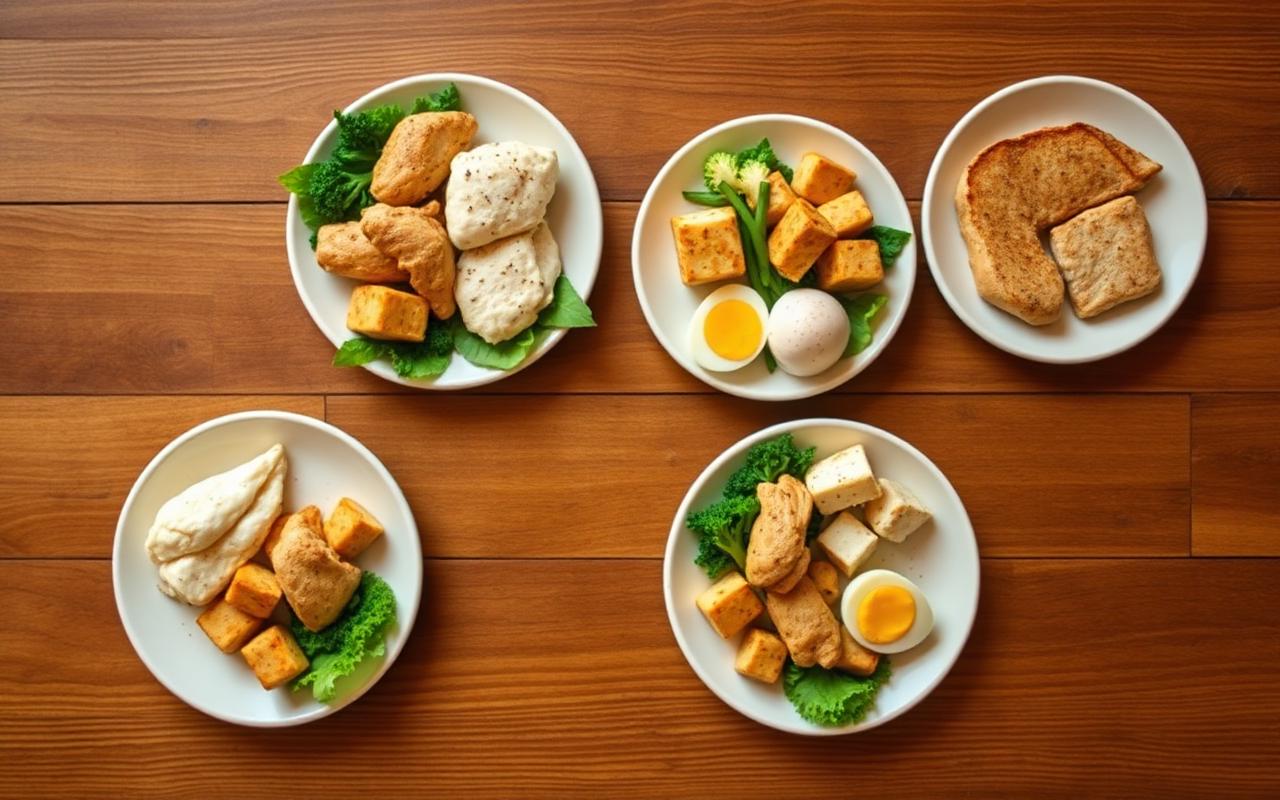
- Three to four meals containing 25 to 40 grams each.
- Roughly three to four hours apart, which fits a normal eating pattern without effort.
- Breakfast included. This is the meal most people under-fill, and fixing it alone often adds 20 grams to the day.
- An evening serving of slower digesting dairy if your last meal is early.
For a 100 gram daily target that means something like 25 at breakfast, 30 at lunch, 20 as a snack and 25 at dinner. Boring, effective, and easy to repeat.
What about protein shakes and the anabolic window
The old advice to drink a shake within thirty minutes of training has softened considerably. Total daily protein and consistent distribution matter far more than hitting a narrow window.
If you trained fasted first thing, eating reasonably soon afterwards makes sense. If you had a protein-containing meal a couple of hours before, the urgency largely disappears.
Does source change the ceiling?
Somewhat. Fast digesting proteins such as whey raise blood amino acids quickly and produce a sharp synthesis spike. Slower proteins such as casein or a mixed meal with fat and fiber produce a lower, longer curve.
Plant proteins tend to be digested slightly less efficiently and are often lower in leucine, the amino acid that acts as the main trigger. Plant based eaters usually benefit from slightly larger portions per meal, or from combining sources such as beans with grains.
Practical takeaways
- Stop worrying about wasting protein. Your gut is far better at its job than the myth suggests.
- Aim for 25 to 40 grams per meal as a target range, toward the top if you are older or larger.
- Prioritise consistency across the day over perfect timing around workouts.
- If you can only manage two big meals, that still works, it is just slightly less efficient.
- Track a normal day once. Most people find one meal carrying almost nothing.
The bottom line
You absorb virtually all the protein you eat. The useful ceiling is on muscle building, not digestion, and it sits around 25 to 40 grams per meal depending on your size, age and training.
Spread your daily total across three or four meals in that range and you have captured essentially all the benefit that timing and distribution have to offer.
Frequently asked questions
Is 50 grams of protein in one meal wasted?
No. It is absorbed and used, just not all of it for muscle building. The surplus supports other tissues or gets burned for energy, which is a normal and useful outcome.
Does the 30 gram rule apply to everyone?
It is a rough average, not a law. Larger and more muscular people can use more per meal, and older adults typically need a bigger dose to trigger the same repair response.
Can intermittent fasting still build muscle?
Yes, though it takes more planning. Fitting a full day's protein into a short eating window means two or three very large protein meals, which works but is slightly less efficient than an even spread.
Do I need protein before bed?
It is optional. A slower digesting source such as cottage cheese or casein gives a steady overnight amino acid supply, which helps a little if your last meal was early in the evening.
Is plant protein absorbed as well as animal protein?
Slightly less so, and it is often lower in leucine. Larger portions or a mix of sources across the day closes that gap without any special effort.