Quick Answer
A gluten free label is a regulated claim. In the United States, the European Union and the United Kingdom it means the food contains less than 20 parts per million of gluten.
It does not mean zero. Twenty parts per million was chosen because it is the level most people with coeliac disease tolerate without intestinal damage, and because it is reliably measurable.
The claim is voluntary. Naturally gluten free foods such as rice, fruit and plain meat often carry no label at all, and their absence of a claim says nothing about their safety.
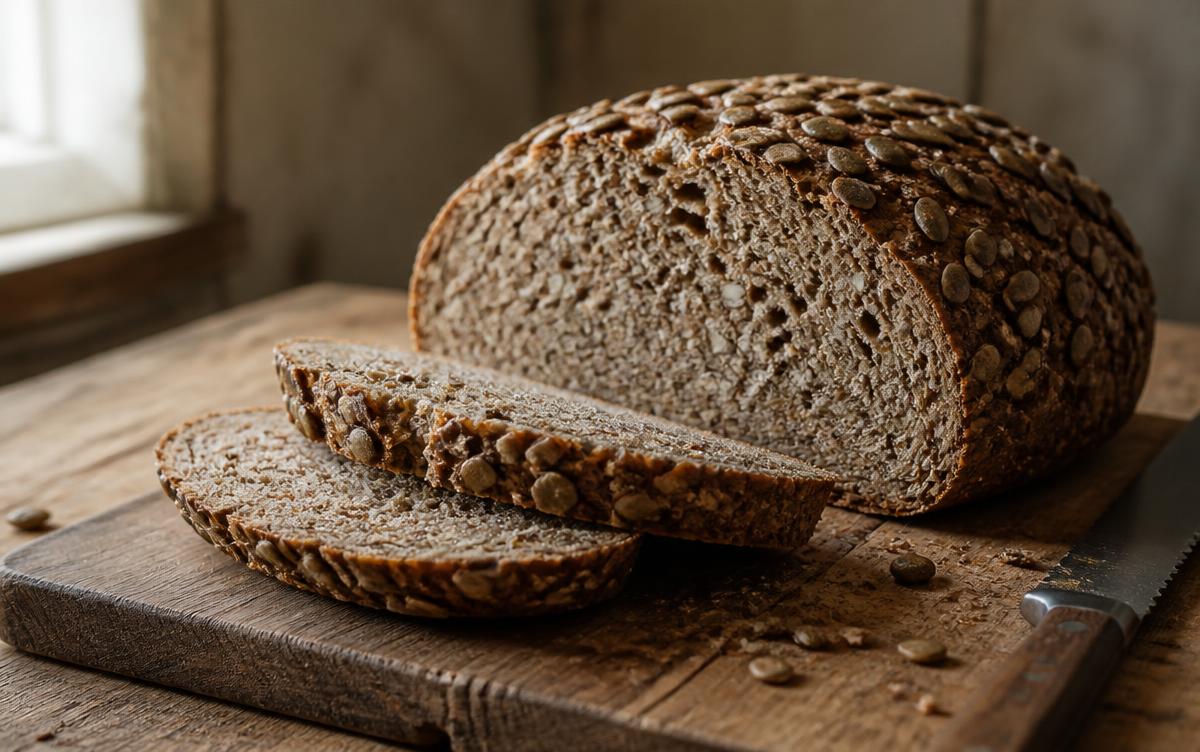
What gluten actually is
Gluten is the general name for a family of storage proteins in wheat, barley and rye. In wheat the relevant fraction is gliadin, in barley it is hordein and in rye it is secalin. Oats contain a related protein, avenin, which most people with coeliac disease tolerate.
In baking, gluten is what forms the elastic network that traps gas and gives bread its structure. That is why removing it changes texture so dramatically and why gluten free baking leans on gums and starch blends.
Clinically, gluten is the trigger for coeliac disease, an autoimmune condition where the immune system damages the lining of the small intestine in response to these proteins. That is a different mechanism from wheat allergy and different again from non coeliac gluten sensitivity.
The 20 parts per million threshold
Twenty parts per million equals 20 milligrams of gluten per kilogram of food. Research into tolerance suggests most people with coeliac disease can handle under 10 milligrams of gluten a day without measurable harm, and the threshold was set to keep normal consumption comfortably inside that.
Analytical practicality also shaped the number. Below about 20 parts per million, routine testing becomes less reliable, so a lower legal limit would be difficult to enforce.
Some certification schemes go tighter, using 10 or even 5 parts per million as their internal standard. In the United Kingdom, foods between 21 and 100 parts per million can be described as very low gluten, a category used mainly for specialist wheat starch products.
Who checks, and how
A regulated claim is not the same as an audited one. In most jurisdictions the manufacturer is responsible for ensuring the claim is accurate, and enforcement is by inspection and sampling rather than pre approval.
Third party certification adds facility audits, ingredient traceability and batch testing on top of that. For a person with diagnosed coeliac disease, that additional layer is worth looking for, particularly on products made in mixed facilities.
The most common testing method uses an antibody that binds a specific fragment of gliadin. It works well on most foods and less well on heavily fermented or hydrolysed products, where the protein has been broken into pieces, which is why beer and soy sauce are handled differently.
What the label does not tell you
A gluten free claim says nothing about nutrition. Many gluten free breads and snacks are made from refined starches with lower fibre and protein than their wheat counterparts, and often more added fat and sugar to compensate for texture.
It also says nothing about oats unless it is stated. Oats are naturally free of the relevant proteins but are routinely grown and milled alongside wheat, so only oats explicitly labelled gluten free are suitable.
Finally, it says nothing about the rest of the meal. Cross contamination in a kitchen, from a shared toaster or a colander used for wheat pasta, easily exceeds the amount a labelled product contributes.
Hidden sources worth knowing
Wheat derivatives appear in places that are not obviously bready.
- Soy sauce, which is traditionally brewed with wheat
- Malt vinegar, malt extract and malted drinks, all barley derived
- Stock cubes, gravy granules and many sauce thickeners
- Some processed meats and veggie burgers that use wheat as a binder
- Certain medications and supplements that use wheat starch as an excipient
Allergen labelling law helps here. In the European Union and the United Kingdom, cereals containing gluten must be emphasised in the ingredient list, and in the United States wheat is one of the major allergens that must be declared, although barley and rye are not covered by that rule.
May contain warnings
Precautionary statements such as may contain wheat are voluntary in most countries and are not backed by a numerical threshold. They reflect the manufacturer's own risk assessment, which varies widely in rigour.
A product carrying both a gluten free claim and a may contain warning is contradictory on its face. In practice the gluten free claim is the tested one, but if you have coeliac disease and see both, the cautious choice is a different product.
Absence of a warning is not proof of absence of risk, particularly with small producers who have not assessed their supply chain in detail.
Shopping and cooking practically
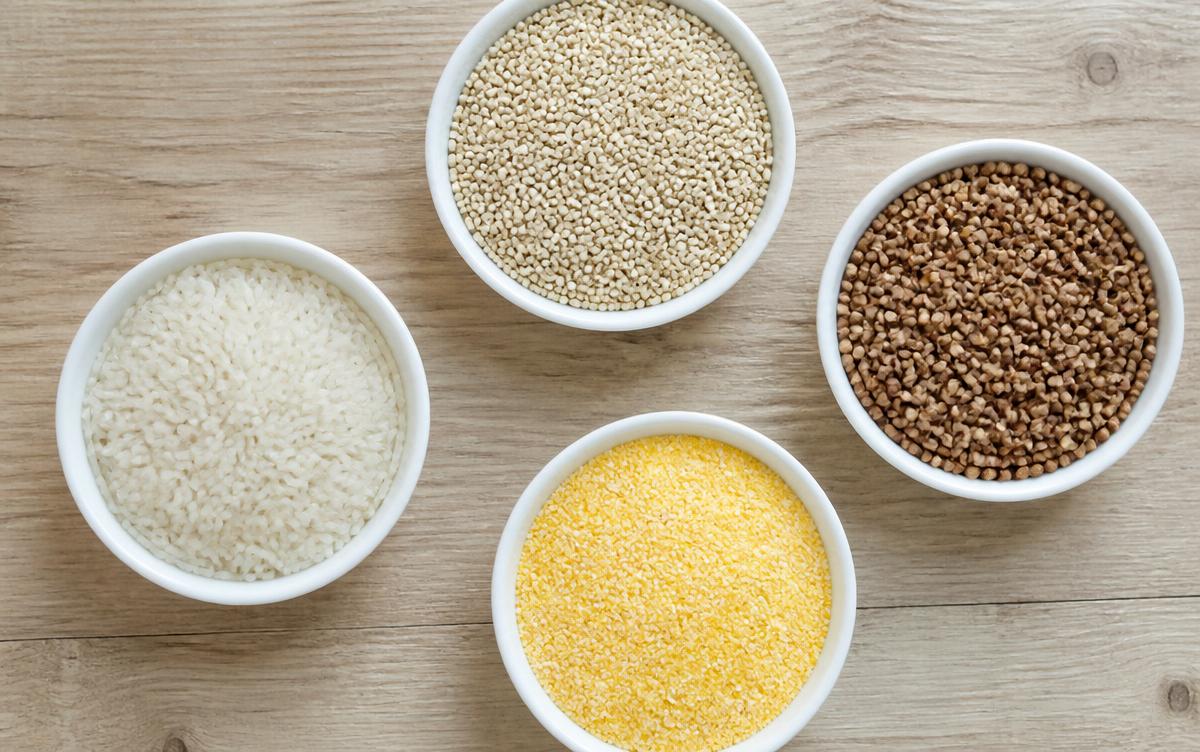
Buy naturally gluten free staples where you can: rice, potatoes, maize, quinoa, buckwheat, legumes, fresh produce, plain meat and fish, and dairy. They are cheaper and generally more nutritious than engineered substitutes.
Reserve certified products for the categories that genuinely need them, mainly bread, pasta, oats and baked goods. Read the ingredient list on those for fibre content as well as for the claim.
At home, keep a separate toaster or use toaster bags, use a dedicated colander, store gluten free flour above wheat flour rather than below it, and wipe surfaces before preparing food. These steps matter more day to day than any single label choice.
The bottom line
Gluten free on a label is a tested legal claim meaning under 20 parts per million, not a promise of zero and not a nutrition endorsement.
For coeliac disease, look for certification, read allergen statements and manage your own kitchen carefully. For everyone else, the claim is simply information, and the naturally gluten free aisle is usually the better buy.
Frequently asked questions
Is gluten free the same as wheat free?
No. A wheat free product can still contain barley or rye, both of which contain the proteins that trigger coeliac disease.
Can I eat oats on a gluten free diet?
Only oats labelled gluten free. Standard oats are contaminated during growing and milling, and a small minority of people with coeliac disease also react to avenin.
Does gluten free mean healthier?
No. Many substitutes are lower in fibre and protein than the wheat versions they replace, so check the panel rather than assuming.
Is beer gluten free?
Standard beer is brewed from barley. Some beers are treated to reduce gluten, but the testing methods are less reliable on fermented products, so certified gluten free options are the safer choice.