Quick Answer
The alkaline diet (also called the alkaline ash diet or acid alkaline diet) claims that some foods leave behind an acidic metabolic residue and others leave behind an alkaline residue, and that loading the plate with alkaline foods can shift body pH, prevent disease, and improve energy.
The pH claim is biologically wrong. Blood pH is locked into 7.35 to 7.45 by the lungs and kidneys, and no food can move it. Urine pH does shift with food, but urine pH is a kidney output, not a body pH.
Despite the bad chemistry, the food pattern itself (vegetables, fruits, nuts, legumes, light on processed meat and refined grain) is genuinely heart healthy, which is why people often feel better on it.
What counts as alkaline vs acid forming
Food classification is based on Potential Renal Acid Load (PRAL), a number calculated from a food's mineral and protein content.
| Category | Examples | PRAL direction |
|---|---|---|
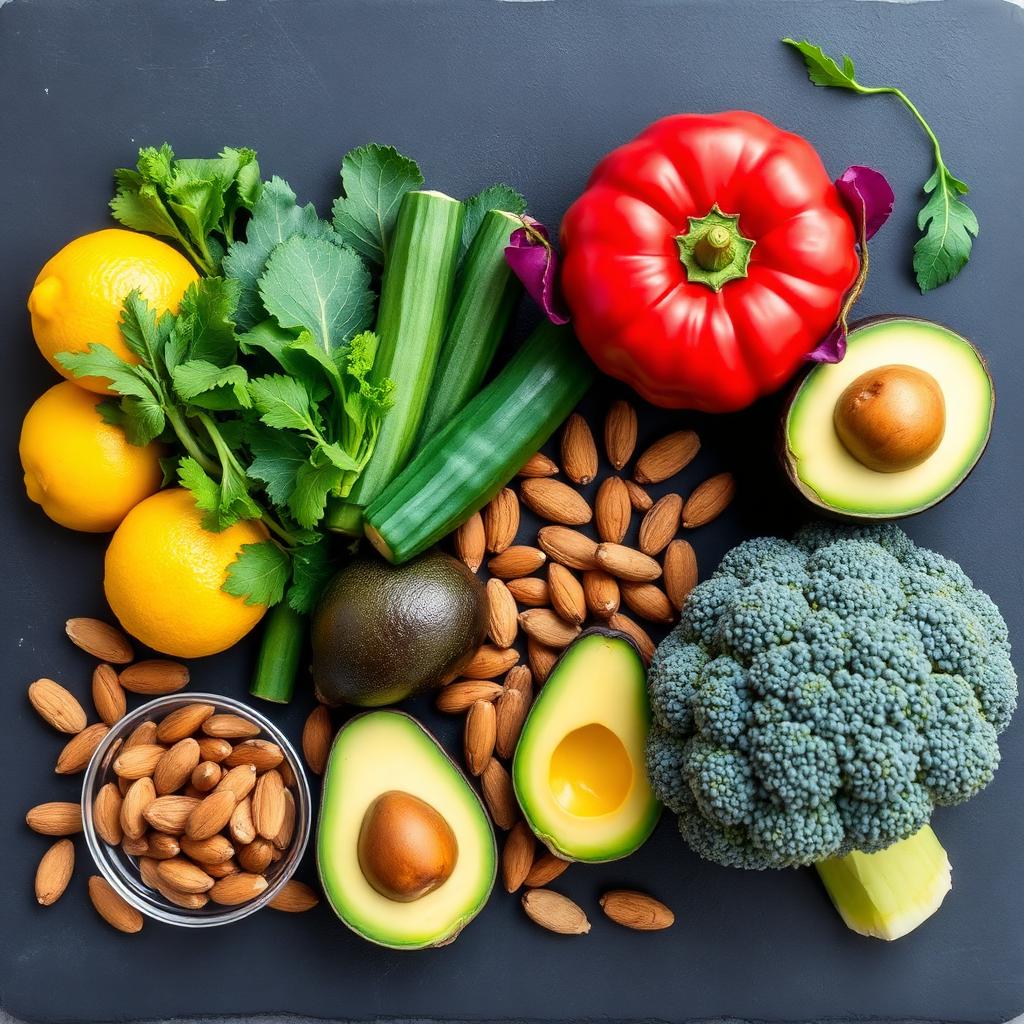
| Alkaline forming | Spinach, kale, broccoli, lemons, limes, avocado, almonds, raisins, sweet potato | Negative (alkaline) |
| Neutral | Olive oil, butter, sugar, distilled water | Near zero |
| Acid forming | Beef, chicken, pork, fish, eggs, aged cheese, white bread, white rice, peanuts | Positive (acid) |
| Strongly acid forming | Processed meat, hard cheeses, alcohol, caffeinated soda | Strongly positive |
Counter intuitively, citrus fruits like lemons and limes are classified as alkaline forming because their organic acids are fully metabolized to CO2 and water, leaving behind potassium and other alkaline mineral residues.
The biology the diet gets wrong
Human arterial blood pH sits at 7.35 to 7.45. Moving more than 0.05 in either direction triggers acute medical emergency (acidosis or alkalosis). The body uses three layered buffer systems to keep it locked in:
- Bicarbonate buffer. Plasma bicarbonate neutralizes incoming H+ ions within seconds.
- Respiratory regulation. The lungs adjust CO2 exhalation within minutes. More breathing pulls CO2 out and raises pH; less breathing lowers it.
- Renal compensation. The kidneys excrete excess H+ or HCO3- in urine over hours to days. This is why urine pH shifts with food while blood pH does not.
If diet really could shift blood pH, the average mixed diet would cause fatal acidosis daily. It does not, because the buffer systems are stronger than any plate of food.
What the research actually shows

- A 2012 systematic review in the Journal of Environmental and Public Health looked at every published study on alkaline diet and chronic disease. The authors concluded the diet does not change blood pH, does not prevent osteoporosis, and does not cure cancer, but produces real benefits because of the underlying plant heavy pattern.
- A 2016 review in the BMJ Open evaluated alkaline water specifically and found no clinically significant effect on systemic pH or any disease endpoint.
- The American Institute for Cancer Research has formally stated that the alkaline diet does not treat or prevent cancer. Tumor cells already create their own acidic microenvironment regardless of diet.
Real benefits (that come from the food list, not the pH theory)
- Better potassium to sodium ratio. Average US diets sit around 1.5 g potassium to 3.4 g sodium. Alkaline patterns flip that to 4.5 g potassium to 2.0 g sodium, which is closer to ancestral intake and lowers blood pressure.
- More fiber. Plant heavy eating typically delivers 35 to 45 g of fiber per day, improving LDL cholesterol, glycemic control, and stool bulk.
- Lower energy density. Easier to maintain a healthy weight without counting calories.
- Higher polyphenol load. Berries, leafy greens, nuts, and herbs deliver thousands of bioactive compounds that support cardiovascular and cognitive health.
- Less processed meat. The IARC classifies processed meat as Group 1 carcinogen for colorectal cancer. Cutting it reduces risk regardless of any pH argument.
Risks and watchouts
- Protein deficit. Strict alkaline followers sometimes cut protein too low. Aim for at least 0.8 g/kg body weight, ideally 1.2 to 1.6 g/kg.
- B12 deficiency. A diet that excludes most animal products requires supplemental B12.
- Alkaline water marketing. Bottled alkaline water (pH 8.5 to 10) is heavily marketed but has no demonstrated benefit over regular tap water. The stomach acid (pH 1.5 to 3.5) immediately neutralizes it.
- Kidney disease. People with advanced chronic kidney disease should not load up on high potassium plants without medical guidance.
A pragmatic version of the diet
Use the food list, skip the pH metaphysics:
- Build half the plate from vegetables and fruit at every meal.
- Choose 1 to 2 servings of whole grain (quinoa, oats, brown rice) per meal.
- Include 1 palm sized portion of protein, mixing plant (lentils, beans, tofu) and lean animal sources (fish, poultry).
- Use olive oil, nuts, seeds, and avocado as your primary fat sources.
- Drink water as the default beverage. Plain tap is fine; expensive alkaline water is not necessary.
- Limit processed meat to once per week and alcohol to current guidelines.
FAQs
Does alkaline water prevent disease?
No. Stomach acid neutralizes ingested alkaline water within seconds, and randomized trials show no measurable effect on blood pH or disease markers.
Does the alkaline diet cure cancer?
No. There is no credible evidence that diet pH can prevent or treat cancer.
Can I test if I am too acidic?
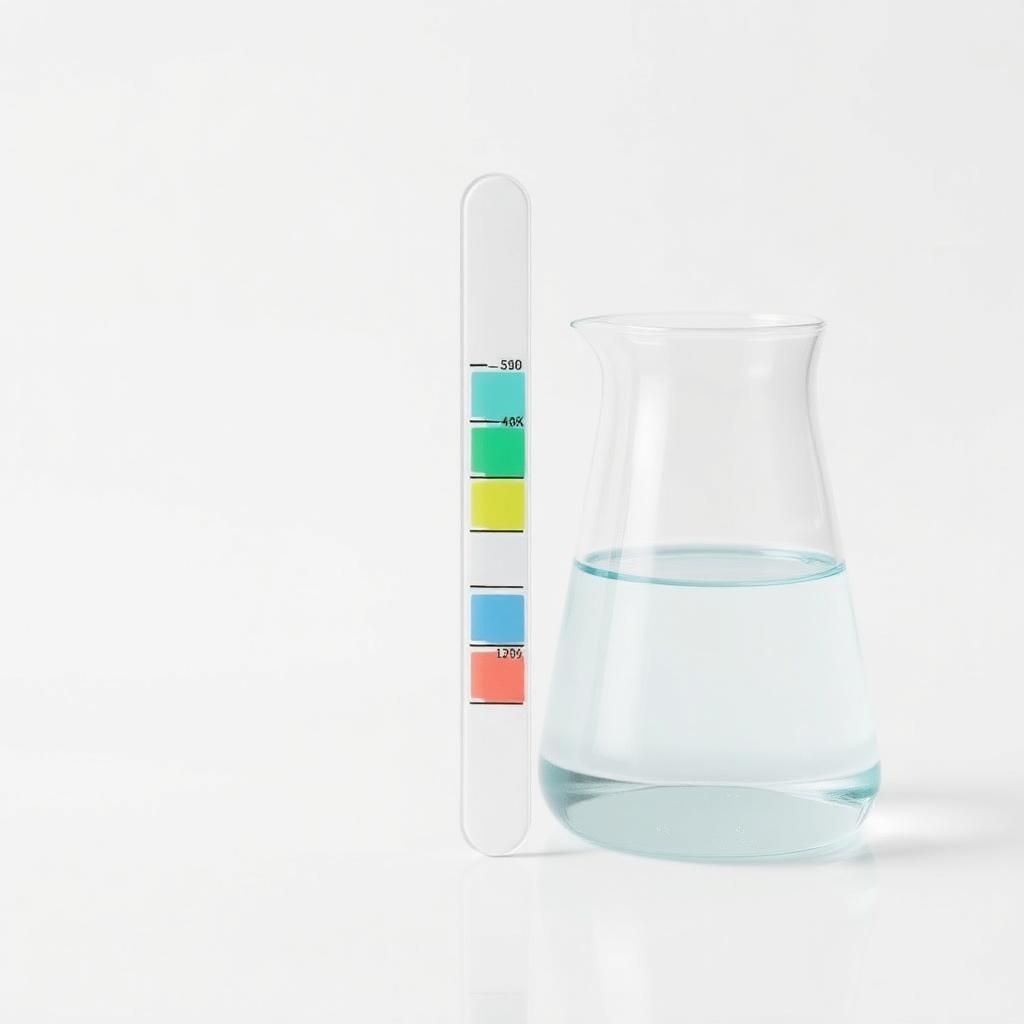
Urine pH strips measure urine, not body pH. They tell you what your kidneys excreted overnight, which fluctuates with food and water intake. They do not diagnose anything.
Is the alkaline diet vegan?
It does not have to be. Fish, eggs, and small amounts of poultry can fit. It does push you in a plant heavy direction.
The takeaway
Your body holds blood pH inside a tight 7.35 to 7.45 window regardless of what you eat, so no food list will alkalize you. The alkaline diet still helps people because the underlying food pattern (lots of plants, less processed meat, less added sugar) is genuinely healthier than the standard Western plate. Eat the foods, skip the pH branding.