Quick Answer
Mushroom coffee mixes ground arabica with extracts of medicinal mushrooms (most often lion's mane, chaga, reishi or cordyceps). Caffeine content is typically 30 to 50 mg per cup, compared with 90 to 120 mg in regular coffee.
The plausible benefits are gentler energy and fewer jitters. Cognitive claims around lion's mane are based on small preliminary trials and animal data, not yet proven in large human studies.
What Is Actually in the Cup
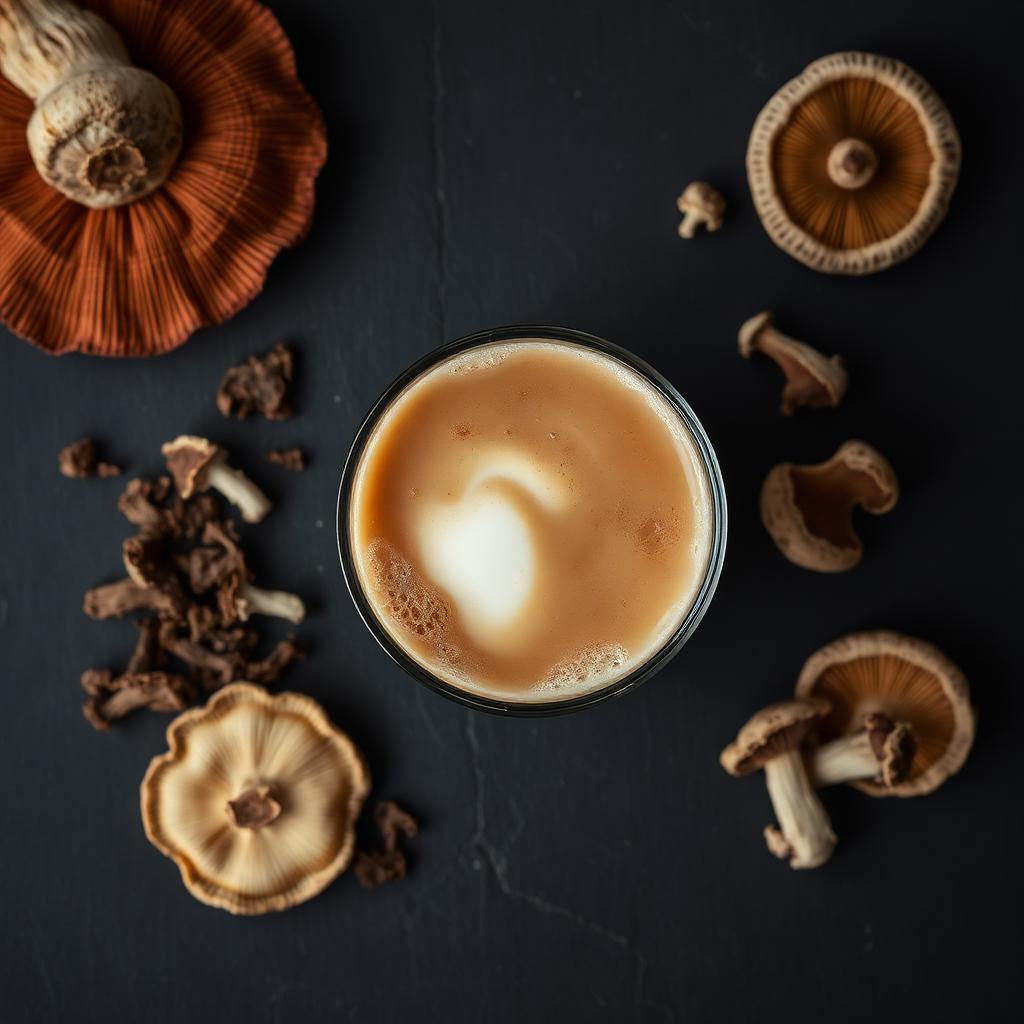
A typical 6 gram serving of instant mushroom coffee contains:
- 1.5 to 3 grams of dual-extracted mushroom powder
- 3 to 4 grams of instant or freeze dried arabica coffee
- Sometimes added chicory root or cocoa for body
"Dual extraction" means both hot water and alcohol have pulled compounds out of the mushroom. That step is what activates the beta-glucans and triterpenes responsible for proposed health effects.
The Caffeine Story
Lower caffeine is the most reliably true selling point. Per a 2024 Consumer Reports analysis, popular brands such as Four Sigmatic and Ryze deliver between 30 and 60 mg of caffeine per serving, versus roughly 95 mg in an 8 oz brewed coffee. That can be a win for sensitive sleepers, late-day drinkers and people cutting back without quitting.
Lion's Mane and Cognition
Lion's mane (Hericium erinaceus) is the headline mushroom. A 2020 trial in Biomedical Research showed mild improvement in mild cognitive impairment scores in older adults taking 3 grams daily for 16 weeks. Mushroom coffee delivers much less than 3 grams of lion's mane per cup, so do not expect the same effect. Cleveland Clinic neurologists currently call the evidence "promising but preliminary".
Chaga, Reishi and Cordyceps
- Chaga is rich in antioxidants and has shown immune-modulating effects in lab studies. Human evidence is limited.
- Reishi is traditionally used for stress and sleep. Several small trials show modest improvement in fatigue scores.
- Cordyceps has been studied for exercise capacity. A 2017 trial reported improved oxygen uptake at 4 grams a day, again far more than a coffee cup delivers.
Realistic Expected Benefits
- Less caffeine for the same morning ritual
- Fewer jitters and less afternoon crash
- Marginal antioxidant intake
- A small chance of subjective focus benefit if you drink it daily for weeks
What it will not do: replace sleep, replace exercise, cure brain fog with one cup, or measurably boost immunity in a healthy adult.
Who Should Be Careful
Mushroom extracts are not regulated as drugs, and quality varies. NIH ODS notes potential interactions with blood thinners, immunosuppressants and blood sugar medications, especially reishi. Pregnant and breastfeeding readers should ask a clinician. People with mushroom allergies obviously avoid it.
How to Brew It
Most mushroom coffees come as instant powder. Stir one packet into hot water, add milk and a small amount of sweetener if needed. Some brands sell whole bean or ground coffee with mushroom extract embedded. Brew those in your normal drip or French press setup.
Is It Worth the Price?
Mushroom coffee runs $1 to $2 per cup, two to four times the cost of standard coffee. If you primarily want lower caffeine, a regular half-caff blend costs less. If you specifically want a daily small dose of mushroom extract and like the taste, the convenience is real.
Bottom Line
The biggest benefit is reliable: less caffeine, smoother energy. The cognitive claims are early-stage. Drink it for the cup you enjoy and the calmer mornings, not for miracle brain effects.
Common Questions About Mushroom Coffee
Does mushroom coffee taste like mushrooms?
Not really. Most blends have a slightly earthier, smoother taste than regular coffee. People often compare it to a darker roast with less acidity.
Can I drink it pregnant?
Lion's mane and chaga lack adequate pregnancy safety data. Most clinicians recommend skipping medicinal mushroom blends during pregnancy and breastfeeding.
Will it interact with my medications?
Reishi can thin blood and interact with anticoagulants. Cordyceps may affect blood sugar. Check with your pharmacist if you take prescription medications.
Is it worth the price difference?
If you genuinely benefit from less caffeine and like the taste, yes. If you are buying it for cognitive benefits, the dose per cup is too low to expect dramatic effects.
How to Try It Without Spending $40
Buy a single-pack starter from a brand like Four Sigmatic, Ryze or MUDWTR before committing to a full tub. Drink one cup a day for two weeks. Track sleep, energy and focus. If you feel a real difference, the math on monthly cost is easier to accept. If you feel the same as on regular coffee minus the jitters, you can replicate most of the benefit with a half-caffeinated brew at a fraction of the price. The marketing around medicinal mushrooms has outrun the trial data, but the lower caffeine effect is real and reproducible.