Quick Answer
A use by date is about safety. After it passes, food may be unsafe even if it looks and smells fine, so it should not be eaten, cooked or frozen once the date has gone.
A best before date is about quality. Past it, food may lose flavour, texture or crunch, but it is generally still safe if it has been stored properly and the packaging is intact.
In the United States most dates are quality indicators rather than safety deadlines, with infant formula the notable exception. In the UK the two terms are legally distinct and the difference genuinely matters.
Use by, in detail
Use by appears on highly perishable chilled foods: fresh meat and poultry, fish, ready meals, prepared salads, soft cheeses and unpasteurised products. These are foods where harmful bacteria can multiply without changing how the food looks or smells.
Listeria is the reason the rule is strict. It grows at fridge temperatures, produces no off odour and is dangerous for pregnant women, older adults and anyone immunocompromised.
The date assumes the storage instructions were followed. A chilled ready meal left on a warm counter for three hours is not safe just because the date has not arrived.
Best before, in detail
Best before appears on dried pasta, rice, tinned goods, biscuits, crisps, frozen food and most store cupboard staples. It marks the point at which the manufacturer stops guaranteeing peak quality.
Dried pasta a year past its date is usually indistinguishable from fresh stock. Tinned food, if the tin is undamaged and unswollen, keeps for years. Crisps go soft, chocolate blooms, spices fade, and none of that is a safety issue.
Eggs are the interesting middle case. In the UK they carry a best before date set at 28 days after laying, and the advice is to follow it because salmonella risk rises as the shell membrane weakens. Cooking them thoroughly reduces the risk further.
The American labels that mean almost nothing
Sell by, best if used by, use by and freeze by all appear on American packaging, and none of them are federally required except on infant formula. Sell by is aimed at the retailer's stock rotation rather than at you.
The USDA is explicit that these dates indicate quality rather than safety, which is why an unopened carton of milk can be perfectly good several days past its printed date if it has stayed cold.
This inconsistency is a large part of why household food waste is so high. Efforts to standardise on two phrases, best if used by for quality and use by for safety, are ongoing but not yet universal.
Storage matters more than the date
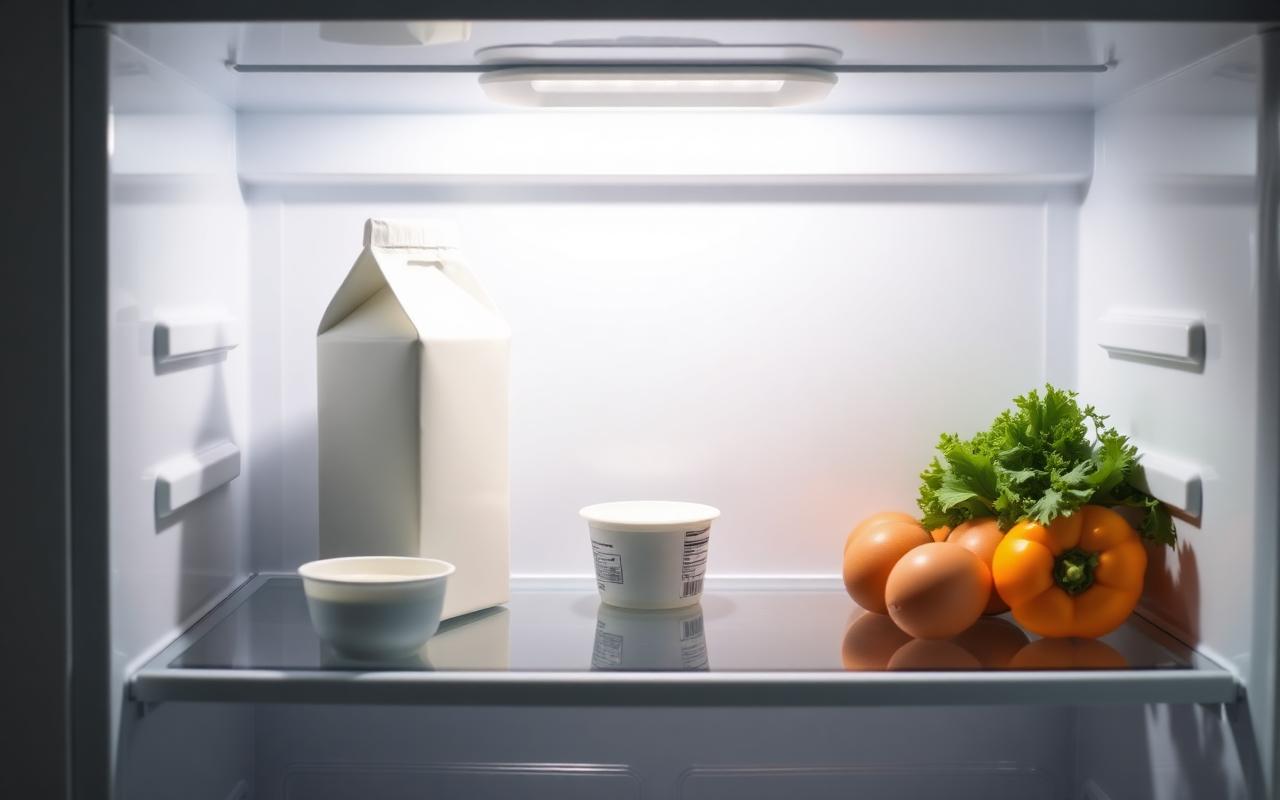
Every printed date assumes a specific storage condition. A fridge at 5 degrees Celsius or 40 degrees Fahrenheit or below is the assumption behind chilled dates, and surveys repeatedly find home fridges running several degrees warmer.
A cheap fridge thermometer is the highest value purchase in this whole subject. Dropping a fridge from 8 degrees to 4 degrees extends the real life of everything in it more than any packaging change could.
The other rule worth knowing is the 2 hour rule. Perishable food left between 5 and 60 degrees Celsius for more than two hours should be discarded, and the window drops to one hour in hot weather.
Freezing resets the clock, within limits
You can freeze most food right up to the end of its use by date, and freezing stops bacterial growth entirely. What it does not do is undo growth that has already happened, which is why freezing after the date is not a rescue.
Quality still degrades in the freezer through moisture loss and oxidation. Meat kept for months develops freezer burn, which is unpleasant but not unsafe. Label everything with the freeze date and aim to use meat within three to six months and cooked meals within two to three.
Defrost in the fridge rather than on the counter, and treat the defrosted food as if it were at its use by date again.
Trusting your senses, carefully
Senses are reliable for spoilage and unreliable for pathogens. Sour milk, fuzzy bread, slimy salad leaves and off smelling fish are all obvious and all worth acting on.
What you cannot detect is the bacteria that matters most in chilled ready to eat food. That is the whole justification for treating use by as a hard line while treating best before as advisory.
When it is genuinely ambiguous, weigh the cost. Throwing away a two pound packet is annoying, and food poisoning is worse.
Frequently asked questions
Can you eat food one day past its use by date?
The official advice is no, even if it looks fine, because the risk is invisible. Freeze it before the date instead if you know you cannot get to it in time.
How long is food good after the best before date?
It varies enormously. Dried and tinned goods often last months or years, while bread and fresh produce fail within days. Judge those by condition rather than the print.
Do tins really last for years?
Sealed, undamaged tins stored somewhere cool keep for a long time past their date. Discard any tin that is swollen, badly dented on a seam, rusted or leaking.
Does the date still apply after opening?
No. Once opened, follow the on pack instruction such as use within three days, even if the printed date is further away.
Are eggs safe after their date?
Follow the best before date on UK eggs. If you are past it, use them only in thoroughly cooked dishes, and discard any egg that smells off when cracked.
A quick reference by food type
- Fresh meat, fish, ready meals, prepared salad: use by, treat as a hard deadline.
- Milk and yogurt: usually use by in the UK, often a quality date in the US. Keep cold and judge by smell and taste alongside the date.
- Hard cheese: best before. Cut mould off firm cheese with a good margin, discard soft cheese that moulds.
- Dried pasta, rice, tins, spices: best before, frequently good long past it.
- Frozen food: best before, safe indefinitely at minus 18 degrees but declining in quality.
Cutting waste without taking risks
Shop the fridge before shopping the shop, keep a use first shelf at eye level, and freeze in portions on the day of purchase rather than on the last possible day. Those three habits remove most household food waste without ever pushing past a safety date.