Quick Answer
Protein builds and repairs almost every structure in your body. Muscle is the obvious one, but skin, hair, nails, tendons, bone matrix and organ tissue are all built from protein too.
It also does jobs that have nothing to do with structure. Enzymes that drive digestion, hormones such as insulin, antibodies that fight infection, and haemoglobin that carries oxygen are all proteins.
On top of that it is the most filling macronutrient, which makes it the practical backbone of most sensible eating plans.
What protein actually is
Protein is a chain of amino acids. There are twenty amino acids that matter for humans, and nine of them are essential, meaning your body cannot make them and must get them from food.
When you eat protein, digestion breaks the chains apart into individual amino acids and short fragments. Those get absorbed and reassembled into whatever your body currently needs, which might be a muscle fiber, a digestive enzyme, or a repair to your gut lining.
This is why the phrase "eating protein for muscle" undersells it. You are supplying raw material for a construction site that never closes.
The main jobs, one by one
Structure and repair
Collagen is the most abundant protein in the body and forms the scaffolding of skin, tendons, ligaments and bone. Keratin builds hair and nails. Actin and myosin make muscle contract. Every one of these is being replaced continuously.
Enzymes
Thousands of chemical reactions happen inside you every second, and almost none of them would proceed fast enough without enzymes to speed them up. Enzymes are proteins. Digesting your lunch, releasing energy from glucose and copying DNA all depend on them.
Hormones and signalling
Insulin, glucagon, growth hormone and many others are proteins or peptides. They carry instructions between organs, telling your liver to release glucose or your cells to take it in.
Immune defence
Antibodies are proteins built specifically to recognise and tag invaders. Chronically low protein intake is associated with weaker immune responses and slower recovery.
Transport and storage
Haemoglobin carries oxygen through your blood. Albumin ferries fatty acids and drugs. Ferritin stores iron. Transport proteins in cell membranes move nutrients in and waste out.
Fluid and pH balance
Blood proteins help keep fluid inside blood vessels rather than leaking into tissue, which is why severe protein deficiency causes swelling. They also act as buffers, keeping blood acidity within a narrow safe range.
Energy, as a backup
Protein can be burned for energy at four calories per gram, but your body treats this as a last resort. It would rather use carbohydrate and fat and keep amino acids for building. When carbohydrate is very low or calories are severely restricted, protein breakdown for energy increases, which is exactly what you do not want during weight loss.
Complete and incomplete sources
A complete protein contains all nine essential amino acids in useful amounts. Meat, fish, eggs, dairy, soy and quinoa qualify. Most other plant foods are lower in one or two, typically lysine in grains and methionine in legumes.
The old advice to combine plant proteins within a single meal has been relaxed. Getting a variety across the day is sufficient, because your body maintains a pool of circulating amino acids to draw on.
Beans with rice, hummus with bread, lentils with grains: these classic pairings work well, but they do not have to land on the same plate.
Signs you might not be getting enough
- Constant hunger despite eating enough calories.
- Losing strength or muscle definition while losing weight.
- Hair thinning, brittle nails or slow-healing cuts.
- Getting sick more often than usual.
- Feeling weak or fatigued out of proportion to your activity.
Frank protein deficiency is rare in countries with a plentiful food supply, but mild shortfalls are common in older adults, people on very low calorie diets, and anyone who eats a mostly carbohydrate based diet without paying attention.
How much you need
The minimum is around 0.8 grams per kilogram of body weight. Most active adults do better between 1.2 and 1.6 grams per kilogram, and older adults benefit from at least 1.0 to 1.2 grams per kilogram to counter age-related muscle loss.
Practical version: aim for 25 to 30 grams at each main meal. That covers the range for the majority of people without any arithmetic.
Getting it from real food
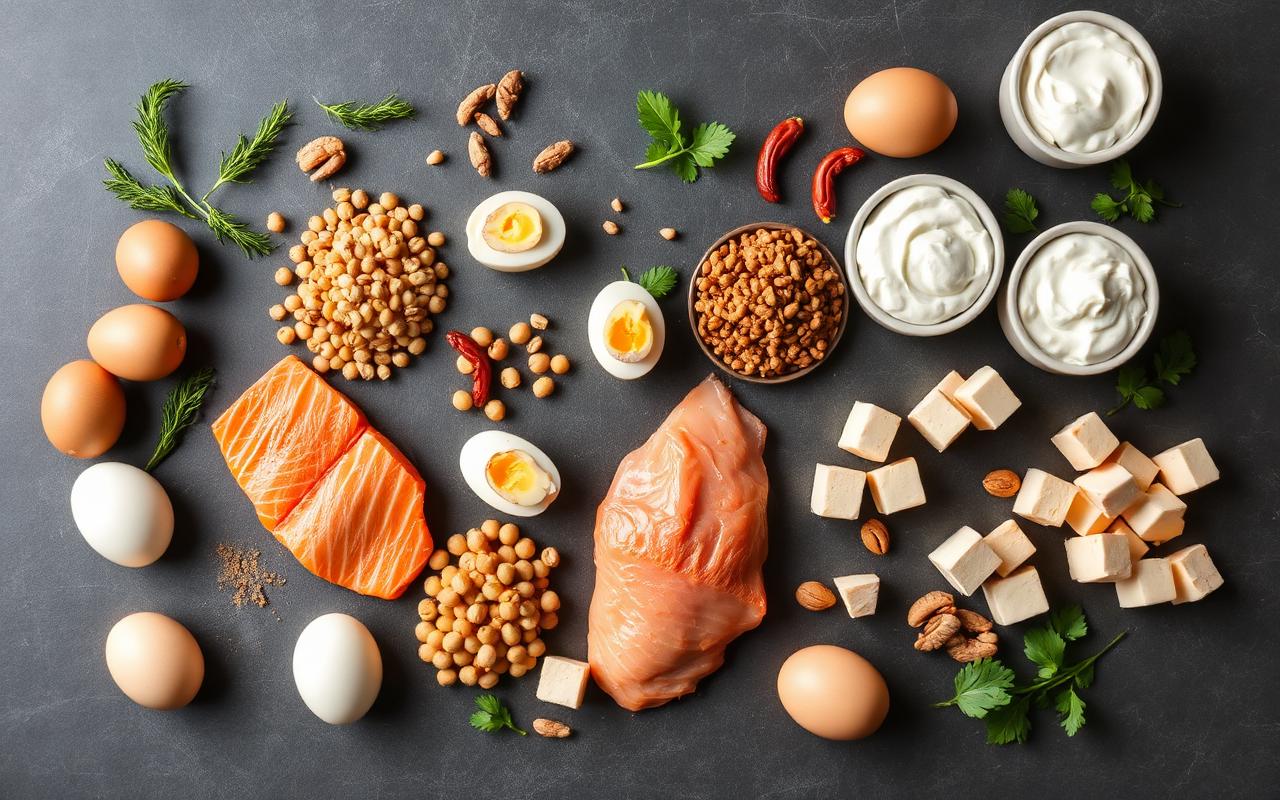
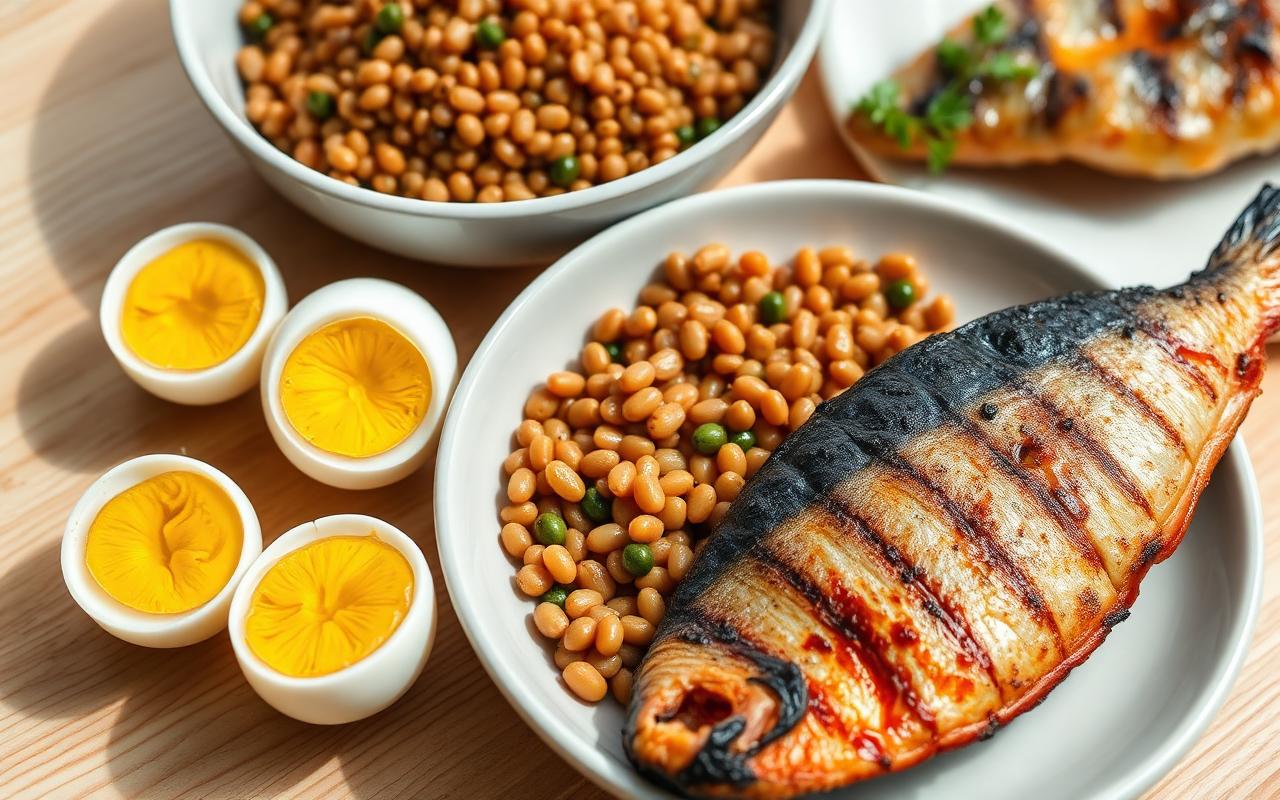
- Animal sources: chicken, turkey, beef, pork, fish, shellfish, eggs, Greek yogurt, cottage cheese and milk.
- Plant sources: tofu, tempeh, edamame, lentils, chickpeas, black beans, seitan, nuts and seeds.
- Everyday extras: wholegrain bread, oats and pasta each add a few grams, which matters across a full day.
The bottom line
Protein is the raw material for your body's construction, repair, defence and communication systems. Muscle is only the most visible part of a very long list.
Spread 25 to 30 grams across each main meal from a mix of sources and you cover every one of those jobs without needing to think about them again.
Frequently asked questions
What happens if you do not eat enough protein?
Mild shortfalls show up as constant hunger, slower recovery, thinning hair and brittle nails. Severe deficiency causes muscle wasting, swelling from fluid leaving the bloodstream, and weakened immunity, though that is rare where food is plentiful.
Does cooking destroy protein?
No. Heat unfolds protein structures, which is what browning and firming are, but the amino acids survive. Cooking usually makes protein easier to digest rather than harder.
Is protein good for skin and hair?
Yes, because both are literally made of protein. Keratin builds hair and nails while collagen supports skin, and all of it is rebuilt from the amino acids you eat.
Do you need protein every day?
Yes. Unlike fat, the body has no dedicated protein store to draw on. If intake stops, it breaks down muscle to supply the amino acids other systems need.
Is animal protein better than plant protein?
Animal protein is more concentrated and generally contains all nine essential amino acids in one source. Plant protein works just as well when you eat a variety across the day, and it brings fiber with it.