Quick Answer
Optavia is a structured, calorie restricted weight loss program owned by Medifast that uses pre packaged shelf stable products called Fuelings combined with home cooked Lean and Green meals.
The flagship Optimal Weight 5 and 1 Plan limits adults to 800 to 1,000 calories per day across 6 small meals: 5 Fuelings (bars, shakes, soups, puddings) plus 1 home prepared lean protein and non starchy vegetable meal.
It pairs the meal plan with a personal coach, which is typically a current Optavia customer who earns commission on the products you buy.
How the 5 and 1 plan is structured
You eat every 2 to 3 hours across the day.
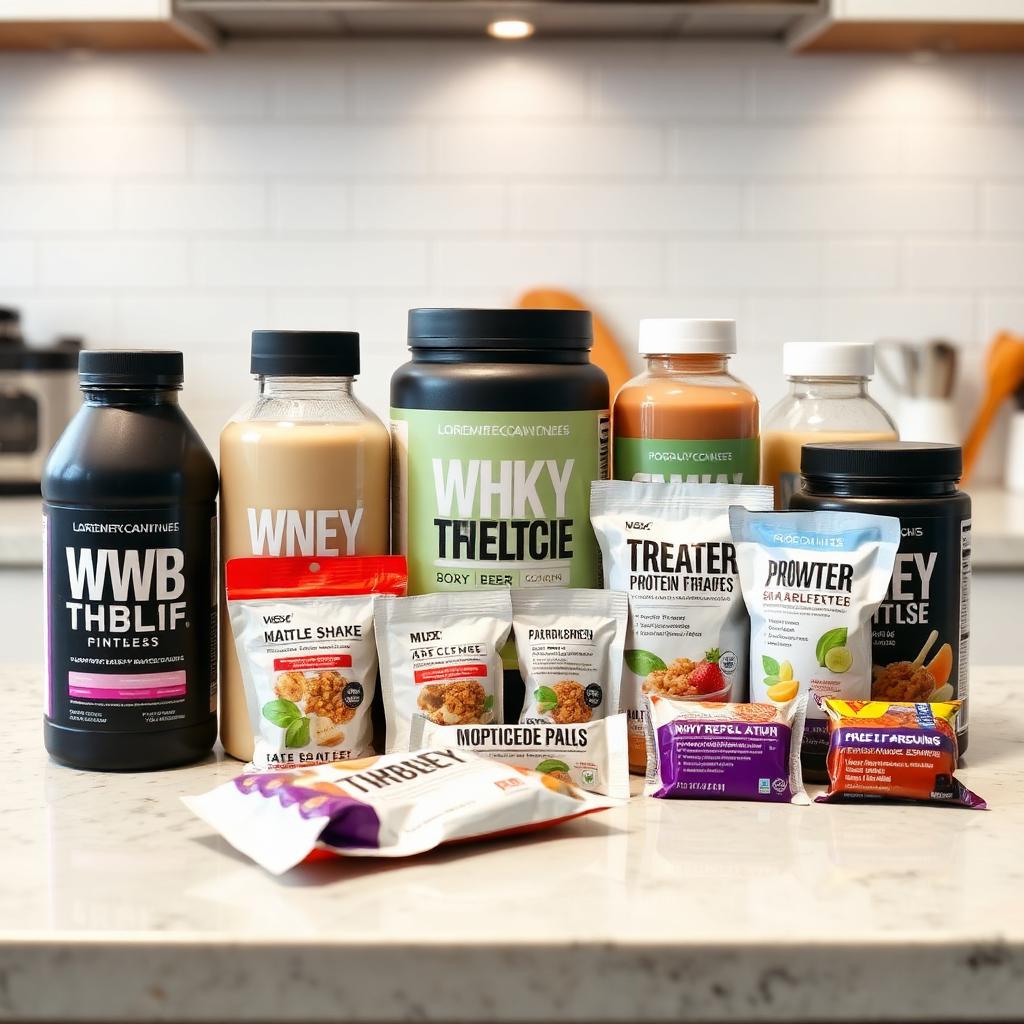
- 5 Fuelings. Pre packaged 100 to 110 calorie products fortified with 11 to 15 g of protein, added vitamins, minerals, and probiotics. Choices include shakes, bars, soups, cereals, puddings, and "snacks" like cheese puffs.
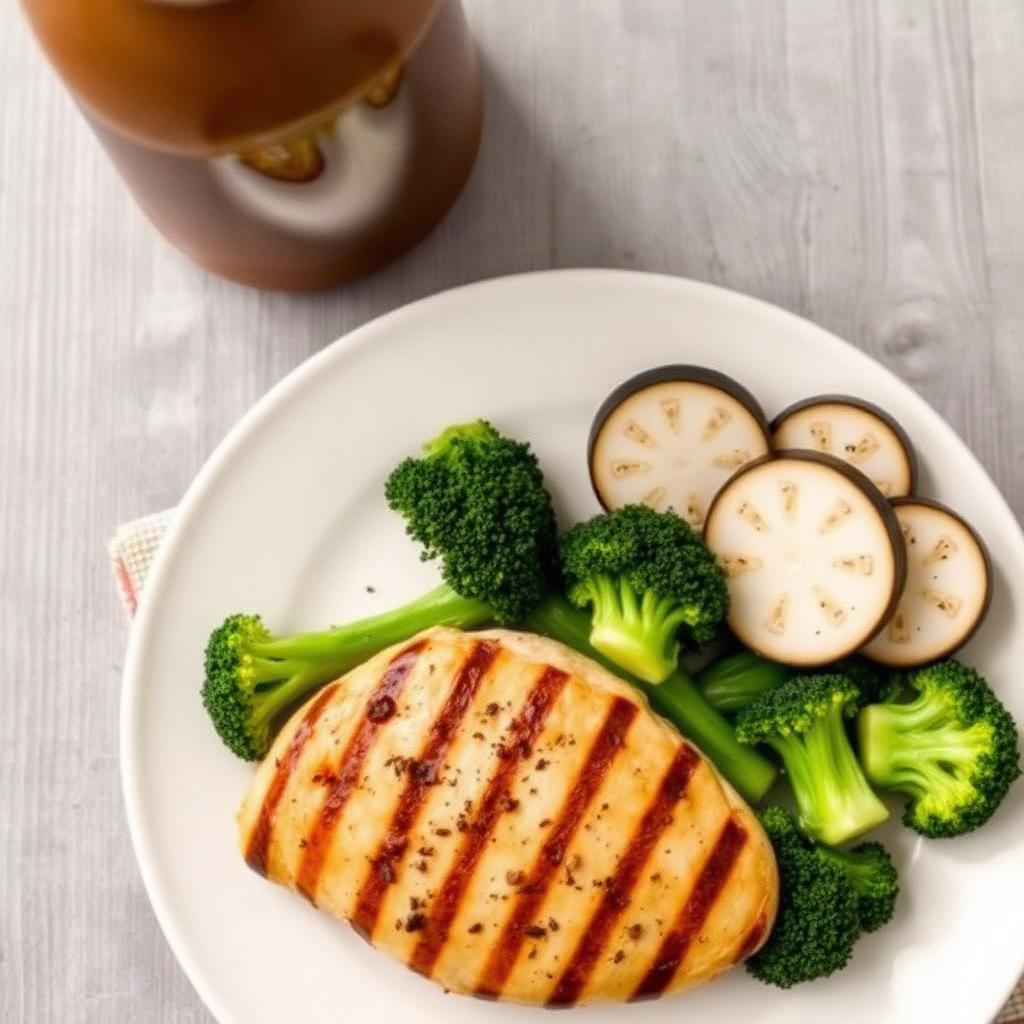
- 1 Lean and Green meal. Cooked at home with 5 to 7 oz of cooked lean protein (chicken breast, cod, turkey, lean beef), 3 servings of non starchy vegetables (spinach, broccoli, zucchini, cauliflower), and up to 2 servings of healthy fat (1 tsp olive oil, 1/4 avocado, 1 oz nuts).
The other Optavia plans
| Plan | Daily structure | Calorie range | Typical user |
|---|---|---|---|
| Optimal Weight 5 and 1 | 5 Fuelings + 1 Lean & Green | 800 to 1,000 | Adults with significant weight to lose |
| Optimal Weight 4 and 2 and 1 | 4 Fuelings + 2 Lean & Green + 1 snack | 1,100 to 1,300 | Moderate weight loss, more food flexibility |
| Optimal Health 3 and 3 | 3 Fuelings + 3 balanced meals | 1,500 to 1,800 | Maintenance after weight loss |
What it actually costs
The Fuelings are the only way to follow the program as designed, and they are not sold in stores.
- Essential Optimal Kit (5 and 1). Roughly $450 to $530 per month for one adult based on the published 2026 Optavia pricing structure (about $3.00 per Fueling x 5 per day x 30 days).
- Promote Kit. Smaller starter sizes around $390 to $420.
- Additional grocery cost. Lean and Green ingredients add roughly $50 to $90 per week on top of the Fuelings.
- Coach fees. Coaching is included in product cost. Coaches are independent contractors who earn commission on what their clients buy.
Total monthly out of pocket: typically $700 to $900 per person, which is among the most expensive structured diets on the market.
Does it work for weight loss?
Yes, in the short term. A 16 week Medifast (parent company) sponsored trial published in Nutrition Journal in 2014 found average weight loss of 11.5 percent of body weight in adults who completed the 5 and 1 protocol. Independent reviews confirm similar short term loss because any sustained 800 to 1,000 calorie intake produces rapid loss in adults whose maintenance is 2,000 to 2,500 calories.
The harder question is durability. A 2018 follow up found average regain of 60 to 70 percent of lost weight within 24 months once Fuelings were discontinued, which is comparable to other very low calorie commercial programs.
Clinical concerns to take seriously
- Metabolic adaptation. Sustained intake below resting metabolic rate (which is 1,200 to 1,600 kcal for most adult women and 1,500 to 1,900 for men) reduces basal metabolism by 10 to 20 percent. The body becomes more efficient at conserving calories, which makes regain easier.
- Lean muscle loss. Even with 70 to 90 g of protein per day, a deep caloric deficit causes muscle loss of roughly 25 to 30 percent of total weight lost without resistance training.
- Gallstones. Rapid weight loss above 1.5 lb per week increases gallstone risk fivefold. A 2017 review in Obesity Reviews found 10 to 25 percent of patients on very low calorie diets developed symptomatic gallstones within 6 months.
- Ultra processed reliance. Five Fuelings per day means most of your nutrition comes from extruded, fortified products. The pattern does not teach whole food meal building, which is the main predictor of long term success.
- Coach conflicts. Optavia coaches are not registered dietitians by default. They earn commission on every Fueling you purchase, which creates a structural conflict for medical advice.
Who should not use Optavia
- Pregnant or breastfeeding women.
- Adolescents under 18 without physician supervision.
- Adults under 100 lb (45 kg) or with BMI under 22.
- Anyone with type 1 diabetes or type 2 diabetes on insulin.
- People with active or past eating disorders.
- Adults on lithium, thyroid medication, or anticoagulants without medical clearance.
A reasonable alternative pattern
If you want the structure of Optavia without the price tag or processed food load, the same calorie target can be hit with whole foods:
- Set a moderate deficit of 500 to 750 kcal below maintenance, not 1,200 below.
- Hit 1.6 to 2.2 g of protein per kg of body weight to protect lean mass.
- Build plates around 1 palm of protein, 2 fists of vegetables, 1 cupped hand of carbs, 1 thumb of fat.
- Add 2 to 3 resistance training sessions per week to defend muscle through the deficit.
- Walk 7,000 to 10,000 steps daily.
FAQs
Will I be hungry on 5 and 1?
Most people are mildly hungry for the first 5 to 10 days, then adapt. Eating every 2 to 3 hours helps blunt the worst spikes.
Can I exercise on 800 calories?
Light walking and gentle yoga, yes. High intensity training or heavy lifting tends to feel terrible at this calorie level and can cause dizziness or fainting.
Is Optavia an MLM?
It uses a multi level marketing structure for its coaches. Coaches earn commission on the products their clients buy and on coaches they recruit.
How is Optavia different from Medifast?
Same parent company, same products. Medifast is the direct to consumer brand; Optavia adds the coach layer and the Habits of Health behavior curriculum.
The takeaway
Optavia produces fast short term weight loss because 800 to 1,000 calories per day will do that for almost anyone. The trade offs are real: high cost, heavy reliance on processed Fuelings, meaningful muscle and gallstone risk, and weak durability after stopping. If you want a structured calorie deficit, you can replicate the math with whole foods, a resistance program, and a registered dietitian for a fraction of the price.