Quick Answer
A detox diet is any short-term, restrictive eating protocol that claims to flush "toxins" out of the body using juice fasts, herbal teas, charcoal capsules, or colon cleanses.
The clinical reality is that the human liver, kidneys, lungs, skin, and gut already run a 24 hour detoxification system that no juice can replace or accelerate.
Short detox programs may briefly lower body weight (mostly water and glycogen), but they do not measurably remove environmental toxins, heavy metals, or metabolic waste, and longer protocols can cause electrolyte imbalances, gut microbiome disruption, and lean tissue loss.
Common types of detox diets

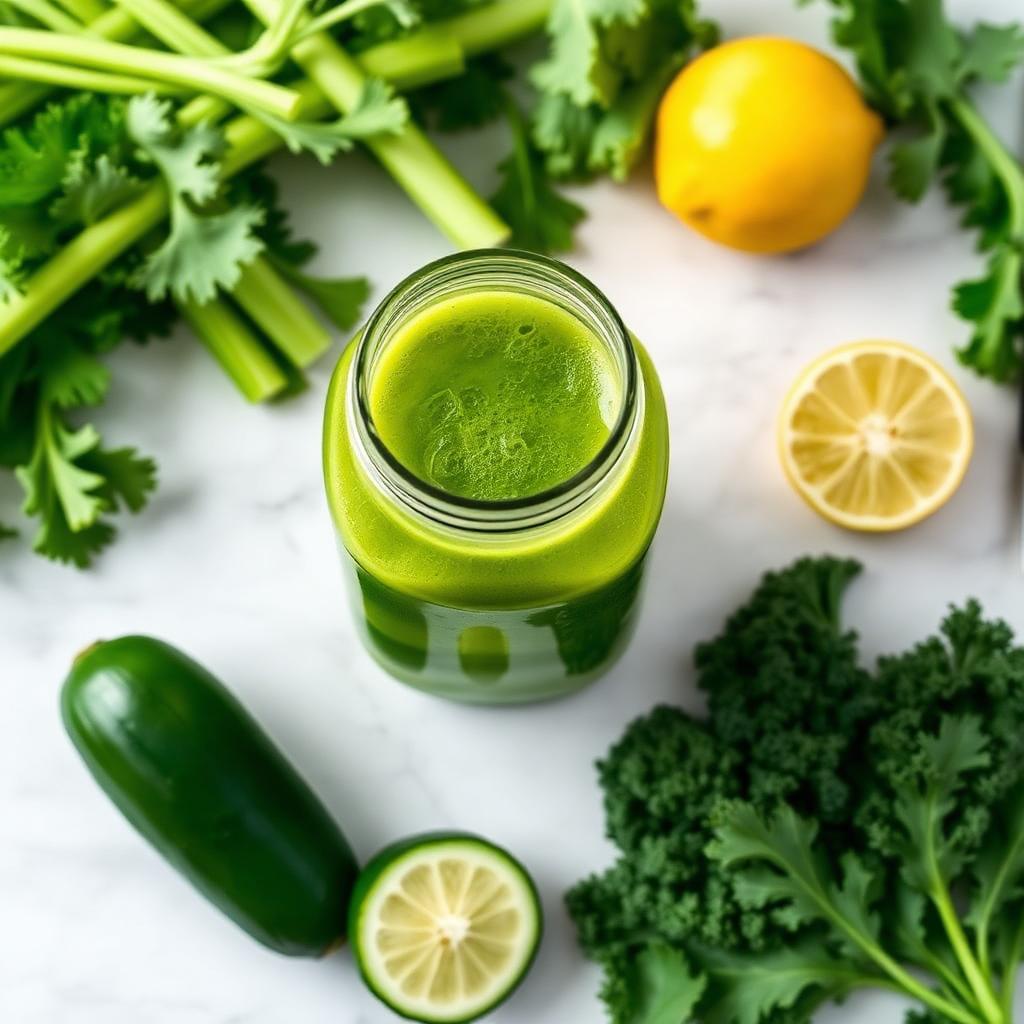
- Juice fasts. 3 to 10 days of only cold pressed fruit and vegetable juice, often 1,000 calories per day or less.
- The Master Cleanse. A 10 day liquid only protocol of lemon juice, maple syrup, cayenne pepper, and water made famous in the 1940s and revived by celebrity endorsements.
- Liver cleanses. Heavy doses of milk thistle, dandelion root, or beet extract combined with restrictive elimination eating.
- Activated charcoal regimens. Daily charcoal capsules sold to "bind toxins". Charcoal does bind many compounds, including the active ingredients in medication.
- Colon cleanses. Saltwater flushes, herbal laxatives, or colonic hydrotherapy.
- Heavy metal detoxes. Cilantro, chlorella, and zeolite blends marketed for mercury or lead removal without any chelation evidence.
How your body already detoxes
The body runs continuous detoxification in three core systems:
- Hepatic biotransformation. The liver uses Phase I enzymes (the cytochrome P450 family) to convert fat soluble toxins into reactive intermediates, then Phase II conjugation pathways (glucuronidation, sulfation, glutathione conjugation) to make them water soluble.
- Renal filtration. The kidneys filter roughly 180 liters of plasma per day through about 2 million nephrons, excreting the now water soluble compounds in urine.
- Biliary and fecal elimination. Many conjugated metabolites are dumped into bile, mixed with dietary fiber in the small intestine, and removed in stool.
The liver does not run faster on celery juice. It runs faster when you give it enough protein for amino acid pools, B vitamins for enzyme cofactors, and adequate sleep.
What the research actually shows
- A 2015 systematic review in the Journal of Human Nutrition and Dietetics reviewed every published commercial detox study and found no convincing evidence that any commercial detox diet eliminates toxins or improves long term health markers.
- A 2017 review in Critical Reviews in Food Science and Nutrition reached the same conclusion and added that short term weight loss from juice cleanses is almost entirely water and glycogen depletion, regained within days of resuming normal eating.
- A 2019 paper in Nutrients documented severe hyponatremia (dangerously low sodium) in adults completing extended water and juice fasts.
The placebo effect is real. People feel better after a "cleanse" because they cut alcohol, ultra processed snacks, and late night meals during the protocol, not because juice did anything special to their liver.
The actual risks of extended detoxing
- Lean muscle loss. Below about 0.6 g of protein per kg of body weight per day, the body breaks down muscle to supply amino acids for gluconeogenesis. Multi day juice fasts almost always sit under this threshold.
- Electrolyte imbalance. Laxative based cleanses can drop potassium and magnesium into clinically dangerous ranges, triggering cardiac arrhythmias.
- Refeeding syndrome. After 5 or more days of severe calorie restriction, reintroducing carbohydrates can cause dangerous shifts in phosphate and potassium, especially in already underweight people.
- Gut microbiome disruption. Repeated colon cleanses strip beneficial bacterial populations and can take weeks to recover.
- Medication interference. Activated charcoal can bind to oral contraceptives, antidepressants, and thyroid medication within a 2 hour window, blocking absorption.
A better, evidence based "detox" pattern
If the goal is to feel cleaner, lighter, and more energetic, the protocol that actually works is well documented and entirely free:
- Drink 30 to 35 ml of water per kg of body weight per day to support renal clearance.
- Eat 25 to 38 g of dietary fiber daily to support biliary elimination.
- Hit 1.2 to 1.6 g of protein per kg of body weight to supply glutathione precursors (glycine, cysteine, glutamate).
- Sleep 7 to 9 hours per night so the glymphatic system can clear cerebral metabolic waste.
- Cut alcohol for 14 to 28 days. This is the single most measurable "detox" intervention for liver enzymes.
- Add cruciferous vegetables (broccoli, kale, cabbage, brussels sprouts) for the sulforaphane content, which upregulates Phase II detox enzymes.
Who should never attempt a commercial detox
- Pregnant or breastfeeding women.
- Anyone with type 1 diabetes, type 2 diabetes on insulin, or any history of disordered eating.
- People taking prescription medication that requires consistent absorption (psychiatric, cardiac, thyroid, anticoagulants).
- People with chronic kidney disease or any cardiac arrhythmia history.
- Anyone under 18 or over 65 without physician supervision.
FAQs
Does a juice cleanse reset my gut?
No. A juice fast usually reduces fiber intake, which feeds the colonic microbiome. The gut benefits from added fiber and fermented foods, not the removal of solid food.
Will I lose weight on a detox?
Yes, temporarily. Most of the loss is water bound to glycogen plus stool weight. It comes back within 3 to 7 days of returning to a normal diet.
Are detox teas safe?
Many contain senna, a stimulant laxative. Short use is generally fine for occasional constipation, but daily use can cause dependence and electrolyte loss.
Is activated charcoal worth trying?
For acute poisoning in a hospital setting, yes. As a daily supplement, no. It can block medication absorption and offers no proven benefit for chronic "toxin load".
The takeaway
The body already runs a continuous, biochemically sophisticated detox system. Commercial detox diets do not measurably enhance it, and they routinely produce short term water weight loss while introducing real risks. The most reliable "detox" you can do is drink water, eat fiber and protein, sleep enough, and take a break from alcohol.