Quick Answer
The simplest high-protein pairings are eggs, whole grain toast, smoked salmon, edamame, Greek yogurt, oats and fresh fruit. Any of those takes a one-cup serving of cottage cheese from 25 grams of protein up into the 35 to 45 gram range that nutritionists target for a single meal.
What works depends on the time of day. Breakfast leans sweet with fruit and oats. Lunch and dinner lean savory with eggs, fish or beans.
How Much Protein You Actually Need
The current Cleveland Clinic guidance recommends 0.36 grams of protein per pound of body weight for sedentary adults and 0.5 to 0.8 grams for people who train regularly. A 160 pound active adult therefore needs 80 to 130 grams per day, ideally spread across three to four meals of 25 to 40 grams each. Cottage cheese makes that math easier because it concentrates so much protein into a small volume.
Top Savory Pairings
- Two scrambled eggs on the side adds 12 grams of protein for a 37 gram plate.
- Three ounces of smoked salmon stirred in with capers and dill adds 16 grams.
- Half a cup of shelled edamame tossed in with chili crisp adds 9 grams.
- Half a can of tuna with lemon and olive oil adds 20 grams.
- A slice of seeded whole grain toast spread with whipped cottage cheese adds 6 grams of protein plus fiber.
Top Sweet Pairings
- Half a cup of berries with a tablespoon of chia seeds adds 4 grams of protein, fiber and antioxidants.
- Half a cup of Greek yogurt stirred in lifts the bowl to 35 grams.
- A scoop of whey protein blended into whipped cottage cheese adds 20 to 25 grams.
- Half a cup of rolled oats soaked overnight in milk adds 5 grams plus beta-glucan.
- A diced peach or pear with a drizzle of honey keeps calories sane while adding fiber.
What to Watch for With Cottage Cheese
A cup of 4 percent cottage cheese carries about 700 mg of sodium, roughly a third of the recommended daily cap. Pair it with low sodium foods like fresh fruit, vegetables or unsalted nuts rather than deli meats, olives or salted crackers, especially if you are managing blood pressure.
Lactose intolerant readers can usually tolerate it because most lactose drains off with the whey. If you react, low lactose or A2 brands are now widely available.
Easy Higher-Protein Meals Built Around It
Breakfast bowl: 1 cup cottage cheese, half a cup berries, 2 tablespoons granola, 1 tablespoon almond butter. Around 38 grams of protein and 450 calories.
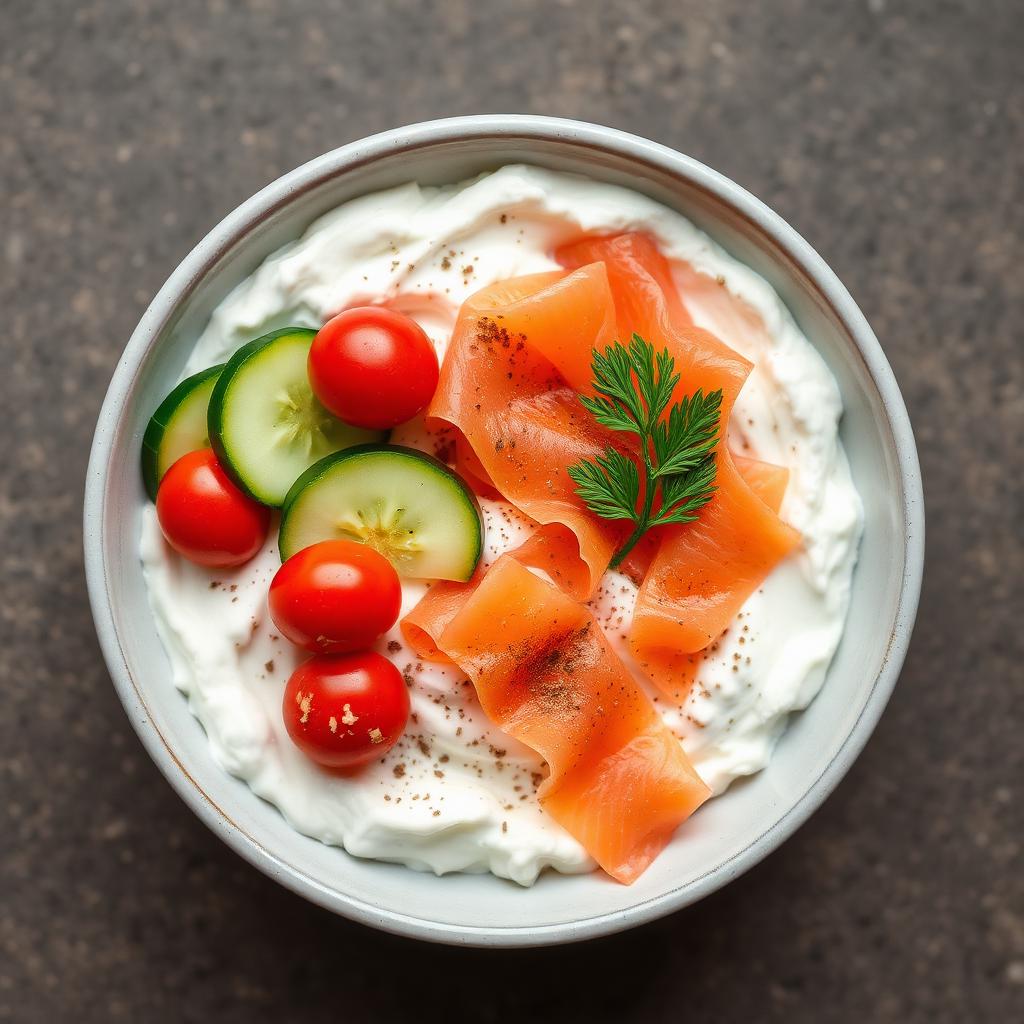
Lunch toast: 2 slices seeded whole grain toast topped with half a cup whipped cottage cheese, sliced cucumber and 3 ounces smoked salmon. Around 45 grams of protein.
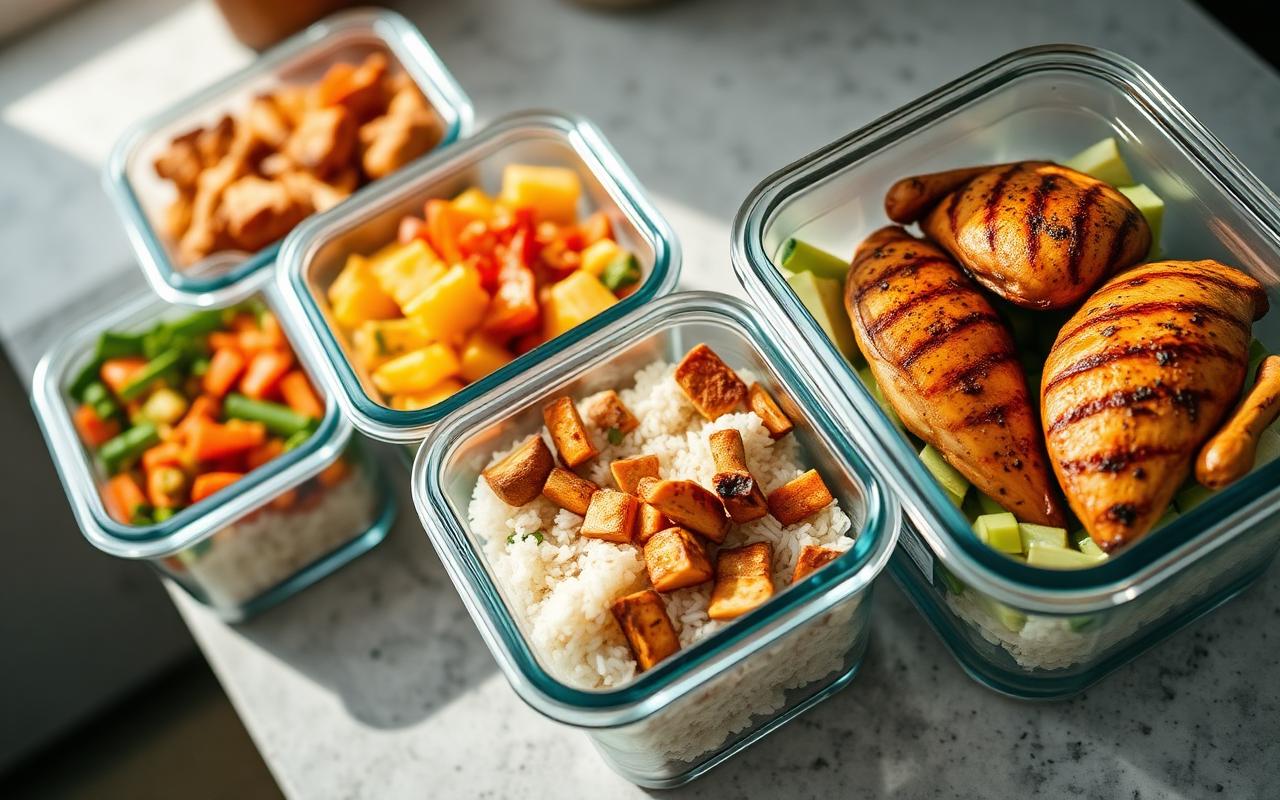
Dinner side: Grilled chicken breast with half a cup cottage cheese stirred into roasted vegetables as a creamy ricotta replacement. Around 55 grams of protein per plate.
Athletes and Late Night Casein
Cottage cheese is more than 80 percent casein, the slow-digesting milk protein. International Society of Sports Nutrition position papers have repeatedly endorsed a 30 to 40 gram casein dose 30 minutes before bed for overnight muscle protein synthesis. Half a cup of cottage cheese plus half a cup of Greek yogurt hits that target in 100 calories.
Bottom Line
Cottage cheese is a protein anchor. Pair it with one extra protein source (eggs, fish, edamame or yogurt) and one fiber source (fruit, oats or whole grain bread) and you have a 35 to 45 gram meal in five minutes. The trick is sodium awareness and choosing real food pairings, not crackers and processed meats.
Common Questions About Cottage Cheese Pairings
Is cottage cheese good before bed?
Yes. It is more than 80 percent casein, a slow-digesting protein that supports overnight muscle protein synthesis. Half a cup before bed is a common athlete habit.
Can I eat it every day?
Yes, as part of a varied diet. The main caveat is sodium, which can reach 700 mg per cup. Pair with low-sodium foods and watch total daily intake if you have blood pressure concerns.
What is the best pairing for muscle building?
Cottage cheese with two whole eggs delivers 35 grams of protein and roughly the leucine threshold that triggers muscle protein synthesis. That single combination has the strongest evidence base of any item on the list above.
Are cottage cheese and Greek yogurt interchangeable?
Almost. Both are protein heavy and lactose tolerant for most people. Greek yogurt is lower sodium. Cottage cheese is creamier and works better in savory dishes.
A Sample Day Hitting 130 Grams of Protein
Breakfast: 1 cup cottage cheese + half cup berries + 2 tbsp granola (35 g). Lunch: chicken salad sandwich on seeded bread (40 g). Snack: half cup cottage cheese with cucumber and everything bagel seasoning (15 g). Dinner: 6 oz salmon, roasted vegetables and quinoa (40 g). Total: 130 g protein, around 1900 calories. Cottage cheese is the load-bearing protein in two of those four meals without much cooking.