Quick Answer
Gardenia Foods (S) Pte Ltd confirmed on May 20, 2026 that it will cease production at its Pandan Loop manufacturing facility in Singapore and move bakery operations across the border to its 50-50 joint venture with Tradewinds in Johor Bahru, Malaysia. The Pandan Loop site officially stops production on June 30, 2026.
The decision retrenches 141 local employees. Roughly 250 staff will stay on in Singapore to run brand management, product development, quality governance and daily distribution. Gardenia cited operational efficiency and "an increasingly challenging global environment" as the drivers.
What Is Actually Changing
Gardenia has been part of Singapore household routines for decades. The familiar loaves that show up in coffee shops, supermarkets and school lunchboxes have, until now, all been baked locally at Pandan Loop. From July 2026, that supply will come out of Johor Bahru instead.
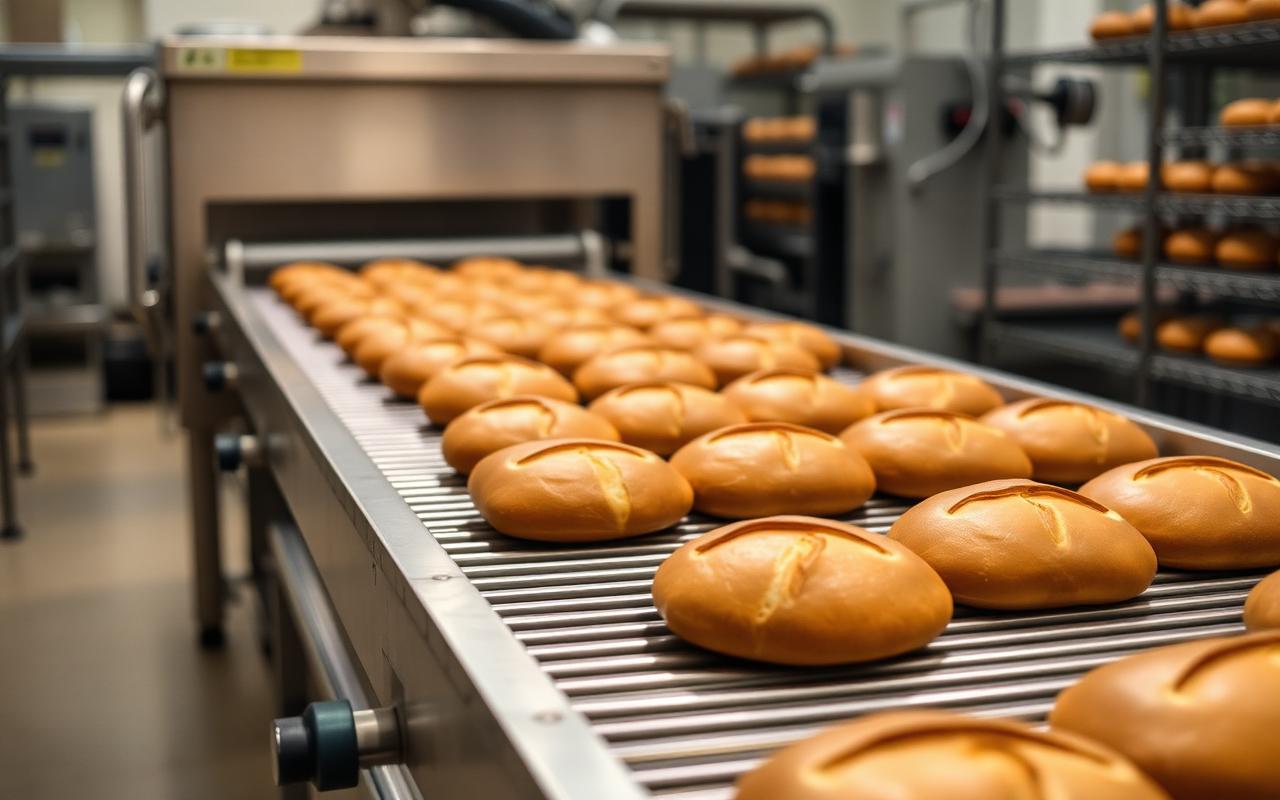
The corporate footprint in Singapore is not disappearing. It is being narrowed. Brand, R&D, innovation, quality control, and the last mile distribution network all stay in the city state. What leaves is the physical bakery line: the ovens, the mixers, the long conveyor systems and the workers who run them.
Why Manufacturers Are Leaving Singapore
Singapore's appeal as a manufacturing base for high volume, land hungry food production has been eroding for years. The pressure points are well known.
- Land cost. Industrial land in Singapore is among the most expensive in the region. A bakery line takes up a lot of square footage for relatively low margin output.
- Labour cost and supply. Manual roles in F&B manufacturing are hard to fill locally, and foreign worker quotas keep tightening.
- Utilities. Electricity, water and gas for industrial baking add up quickly compared with Malaysian alternatives just over the Causeway.
- Logistics maturity. Johor Bahru now has the road, cold chain and customs infrastructure to ship finished bread into Singapore daily without quality issues.
Move the production line a short drive north and you cut land, labour and utility costs in one go, while keeping the brand and distribution near the customer. That is the trade Gardenia has just made.
Support for the 141 Retrenched Workers
The Food, Drinks and Allied Workers Union (FDAWU), an affiliate of the National Trades Union Congress (NTUC), was engaged before the announcement was made public. That is the path the tripartite framework in Singapore expects, and it shapes the support package on offer.
- Severance. Employees with at least two years of service receive one month of last drawn basic salary for each completed year.
- Pro-rated benefits. Annual leave and wage supplements are paid out pro rata.
- Career help. NTUC's Employment and Employability Institute (e2i) is running job matching, career coaching and skills upgrading advisory sessions for affected Singaporeans and Permanent Residents.
- Sponsored union membership. Gardenia is covering a one year union membership for existing members, keeping their access to welfare resources during the transition.
The package will not erase the disruption, but it lands within the upper end of what tripartite advisory norms expect for retrenchments at this scale.
Part of a Bigger Pattern
Gardenia is not the first heritage Singapore F&B name to move production this year, and it almost certainly will not be the last.
| Company | Change | Roles Affected |
|---|---|---|
| Asia Pacific Breweries (Tiger Beer) | Phasing down large-scale brewing in Singapore, shifting to Malaysia and Vietnam | 130 |
| Yeo Hiap Seng (Yeo's) | Consolidated canned drink manufacturing into Malaysia (March 2026) | 25 |
| Gardenia Foods | Bakery production moving to Johor Bahru by June 30, 2026 | 141 |
Three iconic local brands in three different categories. The pattern is consistent: keep the Singapore office, move the factory.
Will the Bread Change?
For consumers, the most practical question is whether the loaves on the shelf will taste the same. Gardenia has emphasised that recipes, quality governance and brand standards remain managed out of Singapore. The Johor Bahru joint venture with Tradewinds is not a new operation. It has been baking under Gardenia recipes for the regional market for years.
The realistic answer is that any taste or texture differences should be minor. Distribution cycles into Singapore are short enough that freshness should not be an issue.
The Takeaway
Gardenia's move to Malaysia is sad news for 141 families, and it marks another step in the long drift of food manufacturing out of Singapore. The brand stays, the bread stays, but the factory leaves. The retrenchment package is in line with tripartite norms, and the e2i support pathway gives affected workers a real chance at the next job. The bigger question for policymakers is what mix of incentives, if any, could slow this trend for the next heritage brand on the list.