Quick Answer
The strongest window runs from late September through the end of December. Outgoing model year stock needs to clear, and dealers are chasing monthly, quarterly and annual targets at the same time.
Within any month, the last few days beat the first few. Within any week, a quiet Monday or Tuesday gets you more attention and more patience than a busy Saturday.
The single biggest saving is not the date though. It is arriving with your own financing approved and negotiating the out-the-door price rather than the monthly payment.
Why Autumn and Winter Work
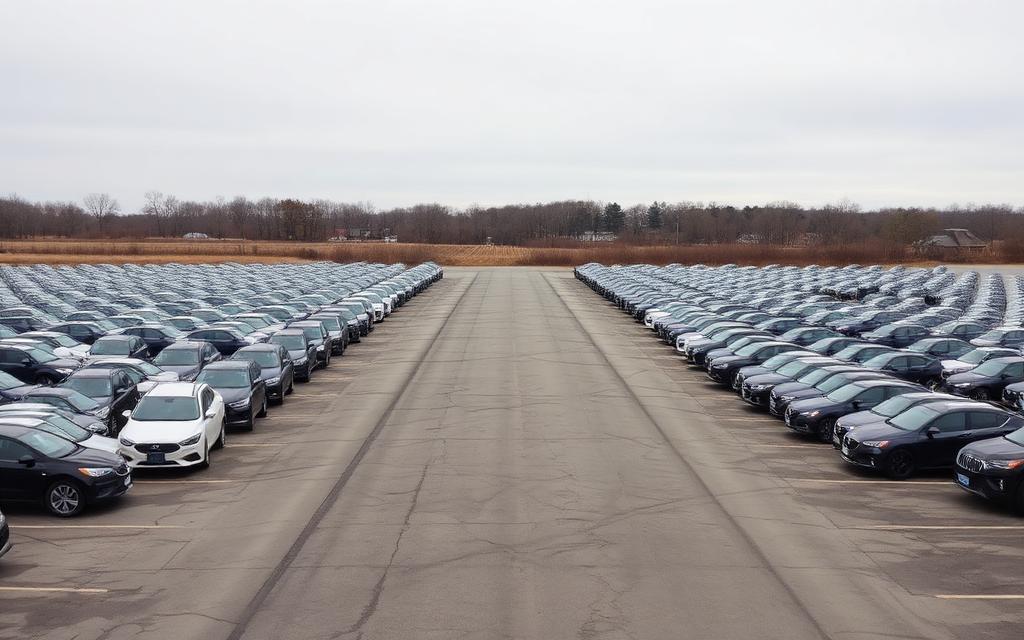
Next model year vehicles arrive on lots from late summer onward. Every remaining outgoing model is inventory sitting on a floor plan loan, occupying space that the dealer wants for the new arrivals.
That pressure builds through autumn and peaks around the end of the calendar year, when manufacturer incentives, dealer bonuses and annual sales targets all land at once. The end of December is the most concentrated version of this, though the selection is thinner by then because the best-configured cars sold in October.
The trade-off is straightforward. Shop in late September or October for choice, shop in late December for the sharpest number on whatever is left.
The Calendar, Ranked
| Timing | Why it helps | Trade-off |
|---|---|---|
| Late September to October | Model year changeover clearance | Best balance of price and choice |
| End of December | Annual targets and holiday promotions | Thin selection on outgoing stock |
| Last three days of any month | Monthly quotas | Rushed process if you are unprepared |
| End of a quarter | Quarterly bonuses stack on monthly ones | March, June, September, December only |
| Monday or Tuesday | Empty showroom, more attention | None worth mentioning |
| Spring | Tax refunds, strong demand | Generally the worst time to negotiate |
New Versus Used Timing
Used car pricing does not follow model year logic in the same way, because supply comes from trade-ins, lease returns and auctions rather than a factory calendar.
The useful pattern is that trade-in volume rises when new car sales rise. A busy autumn on the new side means more used inventory arriving a few weeks later, which is why late autumn and winter tend to be reasonable on the used lot too.
Convertibles and sports cars are cheapest in the cold months, and four wheel drive vehicles are cheapest in late spring. Buying the car nobody wants that week is one of the most reliable discounts available.
What Matters More Than the Date
Timing is worth a percentage. Preparation is worth considerably more.
- Get pre-approved for a loan at a bank or credit union before you visit. That gives you a rate to beat, and dealer financing sometimes beats it, which is a good outcome either way.
- Negotiate the total out-the-door price including fees and taxes. Negotiating a monthly payment lets the term stretch and hides the real cost.
- Separate the three transactions. The price of the new car, the value of your trade-in and the financing are independent negotiations and should be discussed one at a time.
- Get written quotes from several dealers by email before you set foot in a showroom. Competing quotes do more work than any in-person haggling.
- Read the fee line by line. Documentation fees vary widely and some add-ons are pure margin.
- Be genuinely willing to leave. It is the only leverage that has never stopped working.
The Financing Trap of Long Terms
Seven and eight year loans have become common because they make any payment look affordable. They are also the fastest route to owing more than the car is worth for years at a time.
If the only way a car fits your budget is by stretching the term past five years, the honest read is that the car is too expensive rather than that the term is too short. Negative equity rolled into the next purchase is how people end up financing two cars while driving one.
Watch the Total Cost, Not the Sticker
Insurance premiums vary enormously between models that cost the same to buy, and the difference across several years can dwarf whatever you negotiated off the price. Get insurance quotes for your shortlist before you commit.
Do the same for fuel or charging costs, expected maintenance and the registration and tax rules in your state. An electric vehicle with cheap home charging and a petrol car with a tempting discount can look very different once you run three years of running costs.
Ordering Versus Buying From Stock
Factory ordering gets you exactly the specification you want with no unwanted extras, and it removes the pressure to accept whatever is on the lot. What it usually does not get you is the deepest discount, because clearance pricing applies to inventory the dealer is trying to move.
If flexibility on colour and trim is possible for you, that flexibility is worth money in autumn. If it is not, order early rather than negotiating hard.
The Bottom Line
Shop late September through December, prefer the last days of the month, go midweek, and arrive with your own financing and a written quote from a rival dealer.
Then negotiate the out-the-door price and nothing else, and be ready to walk away from a car you liked. The date on the calendar opens the door, but preparation is what gets the number down.
Frequently Asked Questions
What month is best for buying a car?
October is the sweet spot for price and selection, while December usually produces the sharpest single deals on remaining stock.
Does the end of the month really matter?
Yes. Monthly and quarterly targets are real, and the last few days of a quarter-ending month are the strongest.
Is it better to finance through the dealer or a bank?
Get pre-approved first, then let the dealer try to beat it. Competition benefits you either way.
Should I mention my trade-in early?
Settle the purchase price first, then discuss the trade-in as a separate transaction.
Are long car loans a bad idea?
Terms beyond five years usually mean paying more interest and spending years owing more than the car is worth.
Is a used car a better buy right now?
It depends on the model and the incentives. Compare total cost including insurance and financing rather than sticker price alone.