Quick Answer
Check the battery, the tires, the coolant mix, the wipers and the washer fluid, in that order. Those five account for the overwhelming majority of cold-weather breakdowns and visibility problems.
Tire pressure drops roughly one PSI for every ten degree Fahrenheit fall in temperature, so a tire set correctly in August will be noticeably low by November.
Do the whole list on one autumn Saturday. It costs very little and it is far cheaper than a tow on the first freezing morning.
The Battery Is the Usual Culprit
Cold does two things at once: it slows the chemical reaction inside the battery so it delivers less current, and it thickens the engine oil so the starter needs more current. A battery that was merely tired in September is a battery that fails in January.
Most auto parts stores will load-test a battery free of charge, which takes a few minutes and tells you far more than the age on the label. Clean any white or blue corrosion off the terminals, check the clamps are tight enough that the cable does not twist by hand, and if the battery is more than about four years old, treat a weak test result as a replacement decision rather than something to monitor.
Keep a set of jumper cables or a compact lithium jump pack in the car regardless. A jump pack that lives in the trunk removes the need to find a second vehicle at all.
Tires: Pressure, Tread and Type
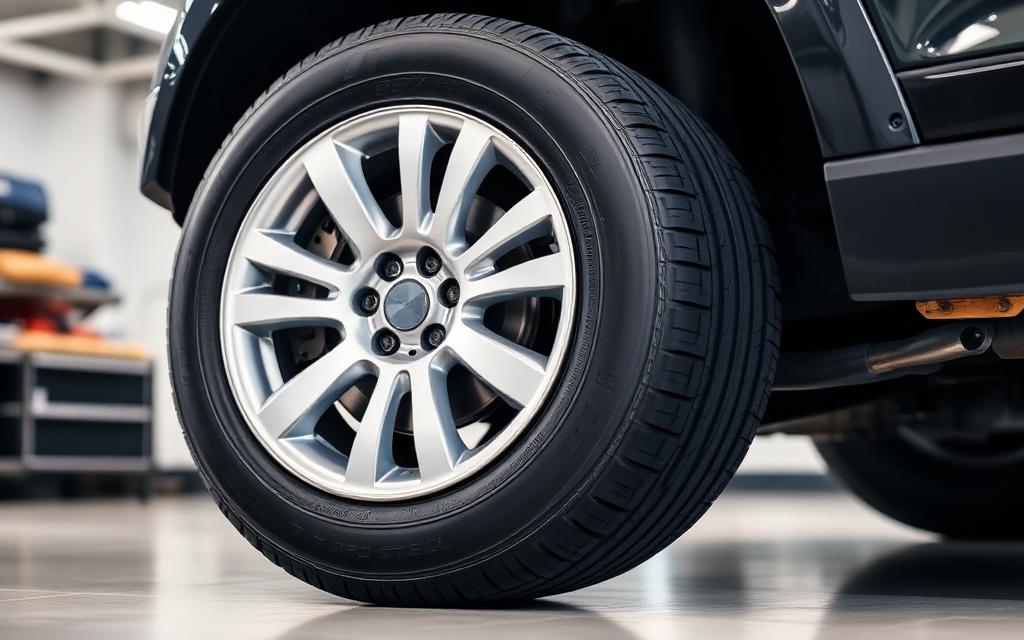
Pressure first. Check it cold, before driving, against the figure on the driver's door jamb sticker rather than the number moulded into the tire sidewall, which is a maximum rather than a recommendation. Re-check monthly through winter, since the temperature keeps falling and so does the pressure.
Tread next. The classic penny test tells you if you are legally marginal, but in wet and slush the useful threshold is higher than the legal one. Uneven wear across the tread is a sign of alignment or inflation problems that will only get worse in winter conditions.
Then type. If you regularly drive in sustained temperatures near or below freezing, winter tires outperform all-seasons by a wide margin, because the rubber compound stays pliable when all-season rubber hardens. That difference shows up in braking distance before it shows up in traction.
Fluids That Matter in the Cold
| Fluid | What to check | Why it matters in winter |
|---|---|---|
| Coolant | Level and freeze protection | A weak mix can freeze and crack the block |
| Washer fluid | Winter-rated formula, full reservoir | Summer fluid freezes on the glass |
| Engine oil | Correct viscosity for the climate | Thick oil makes cold starts harder |
| Brake fluid | Level and age | Moisture absorption reduces performance |
| Fuel | Keep the tank above half | Reduces condensation and buys time if stranded |
Coolant is the one people skip. A cheap tester at the parts counter reads the freeze protection point in seconds, and a mix that has drifted towards water over years of top-ups will not protect to the temperature you assume.
Visibility
Wiper blades that streak in October will smear in January. They are inexpensive and take two minutes to change, so replace rather than nurse them. Fill the washer reservoir with a winter-rated fluid before the first freeze, not after.
Check that the rear defroster and heater blower both work properly now, while a fault is an inconvenience rather than a safety issue. Clear leaves from the base of the windscreen where they block the drainage channels and the cabin air intake.
Finally, check every exterior light. Shorter days mean far more of your driving happens in the dark, and a burnt-out bulb noticed in a car park is better than one noticed by a police officer.
The Kit That Lives in the Trunk
The purpose of a winter kit is to make being stuck survivable and boring rather than dangerous.
- Ice scraper and snow brush, kept inside the cabin rather than the trunk.
- Blanket, hat and gloves, since a stalled car cools fast.
- Flashlight with fresh batteries and a phone power bank.
- Jump pack or jumper cables.
- A folding shovel and a bag of sand or cat litter for traction.
- Water and non-perishable snacks.
- A basic first aid kit and a reflective triangle or flares.
If you are ever stranded in snow, clear the exhaust pipe before running the engine for heat and run it only in short bursts, because a blocked pipe pushes carbon monoxide into the cabin.
Driving Habits That Change With the Season
Modern engines do not need long idling to warm up. Thirty seconds is enough to circulate oil, and gentle driving warms the engine faster than sitting still. Never leave a car idling unattended in an attached garage.
Increase following distance substantially on cold roads and brake earlier and softer. Black ice forms first on bridges and overpasses, which lose heat from both sides. If the car begins to slide, ease off the accelerator and steer where you want to go rather than braking hard.
A One Afternoon Checklist
The whole job fits into a single autumn afternoon if you work through it in order rather than dipping in and out over weeks.
Start cold, before the car has been driven, so tire pressures read true. Set all four to the door jamb figure and check the spare while you are there, since a flat spare is the most useless object in the vehicle.
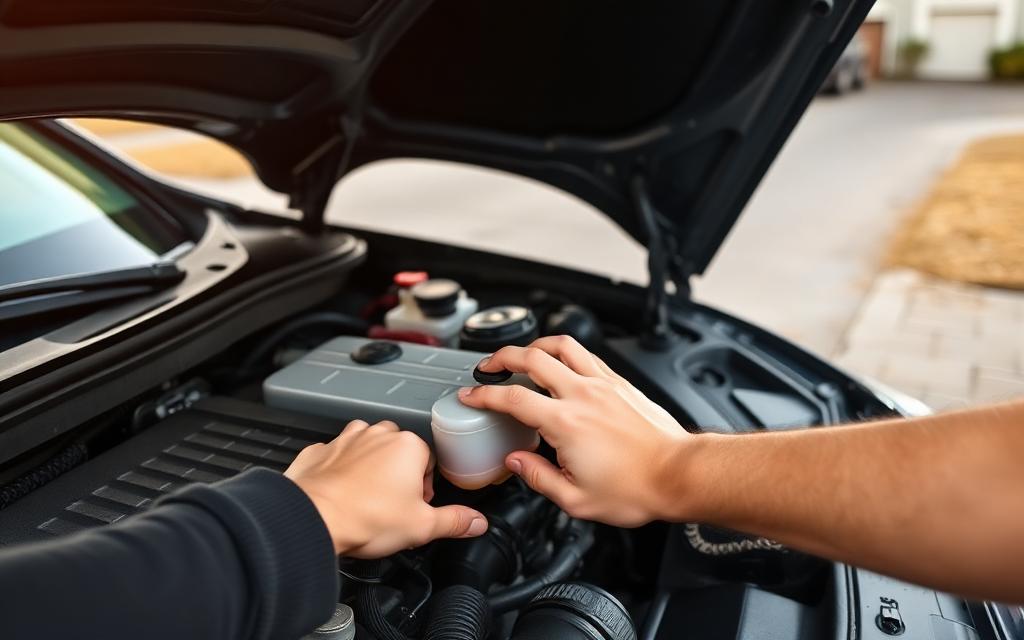
Move to the engine bay next. Check coolant level and freeze protection, top up washer fluid with a winter-rated formula, look at the oil level and note when the last change was, and inspect the belts and hoses for cracking or softness.
Then work around the outside. Replace wiper blades, test every light, clear leaves from the windscreen drainage channels, and check the door seals for perishing that will let them freeze shut.
Finish with the interior and the trunk. Confirm the heater and rear defroster work, load the winter kit, and put the scraper somewhere reachable from the driver's seat rather than buried under the spare wheel cover.
Write the date on a note in the glovebox. Next autumn you will know exactly what was done and what is due.
Frequently Asked Questions
When should you winterize a car?
In autumn, before the first sustained cold. Doing it in September or October costs nothing extra and avoids the queue at the shop.
How much does tire pressure drop in the cold?
Roughly one PSI per ten degree Fahrenheit drop in temperature, so monthly checks matter through winter.
Do you really need winter tires?
If you regularly drive at or below freezing, yes. The compound stays flexible where all-season rubber hardens.
How old is too old for a car battery?
Around four years is where failure risk climbs sharply. Get it load-tested rather than guessing.
Should you keep the fuel tank full in winter?
Keeping it above half reduces condensation and gives you heat if you are stranded.
Does a car need to idle to warm up?
No. Thirty seconds is plenty, and gentle driving warms it faster than idling.