Quick Answer
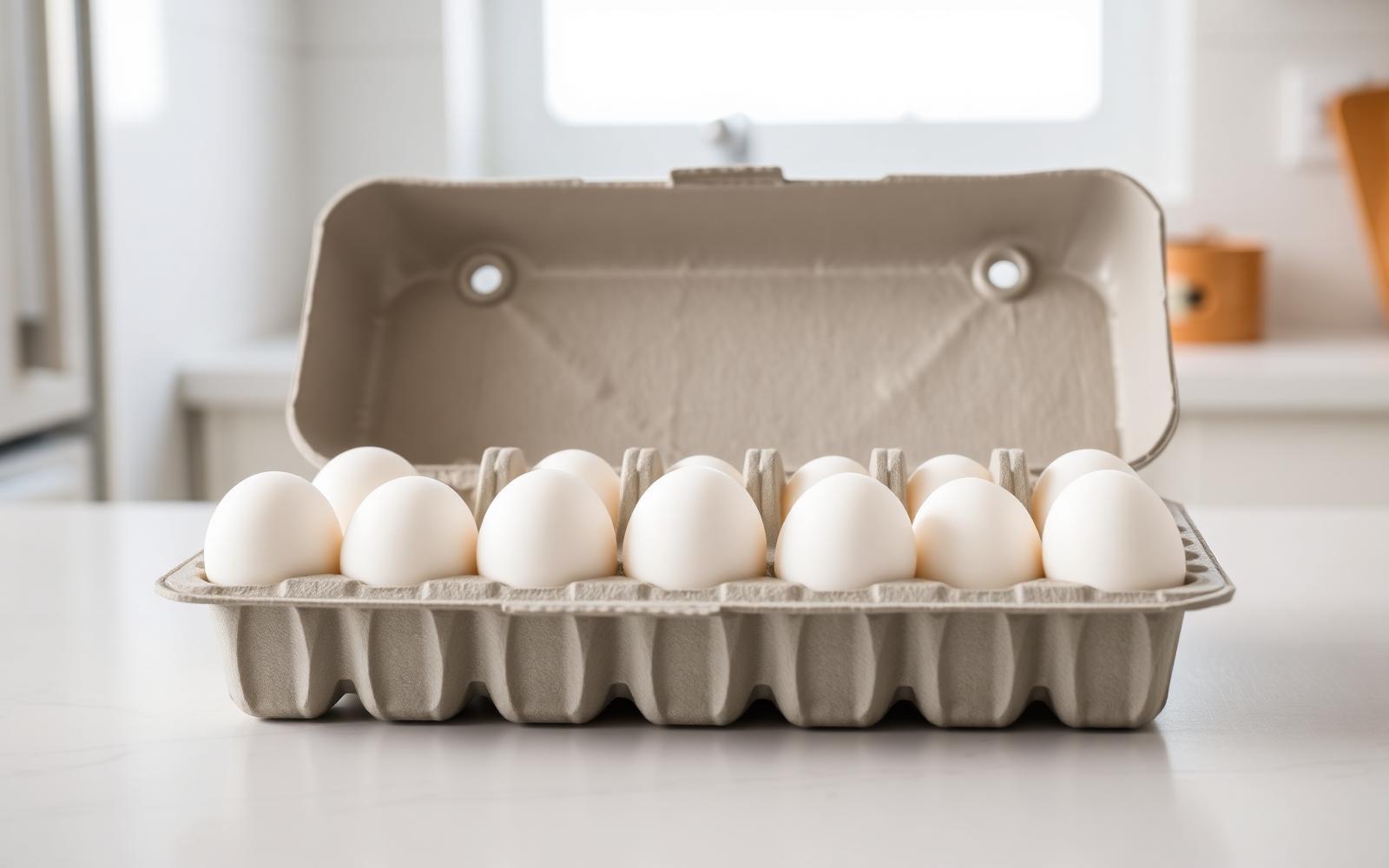
The recall covers shell eggs produced by Midwest Poultry Services at its Texas farms and sold with sell by or best by dates from July 20 through August 17, 2026. Roughly 1.6 million dozen eggs, close to 19 million eggs, are involved.
The company announced the voluntary recall on July 22, 2026. On August 12 the FDA classified it as Class I, its most serious category, meaning there is a reasonable probability that eating the product causes serious illness or death.
If you have eggs at home with those dates from Kroger or Brookshire stores in the affected states, do not eat them. Throw them out or return them for a refund, then clean the shelf they sat on.
Why the Recall Was Upgraded
A Class I designation is not a new recall. The FDA usually classifies a recall days or weeks after a company first announces it, once the agency has assessed how much harm the product could cause.
In this case the hazard is Salmonella Enteritidis, the serotype most associated with shell eggs. The FDA and CDC reported 98 illnesses across 17 states, with 26 people hospitalised and no deaths at the time of the classification.
Midwest Poultry Services said the recall followed proactive environmental testing at two of its Texas farms, which is the routine surveillance layer that is supposed to catch contamination before it spreads further.
Which Eggs Are Affected
The recall covers both white shell eggs and brown cage free eggs produced and distributed between June 6 and July 6, 2026. The identifiers on the carton matter more than the brand name.
- Sell by or best by dates: July 20, 2026 through August 17, 2026.
- Brands named in FDA and press reporting: Kroger, Simple Truth, Country Morning and Brookshire's, among smaller retail labels.
- Where they were sold: Kroger stores in Texas and Louisiana, and Brookshire Grocery stores in Texas, Oklahoma, Arkansas, Louisiana, New Mexico and Mississippi, plus other smaller retail outlets.
Because the eggs were repacked under several retail labels, the safest approach is to check the printed date range on the short end of the carton first, then check whether the store and state match the distribution list.
What Salmonella Enteritidis Does
Salmonella Enteritidis is unusual among egg risks because it can be inside an intact, normal looking egg. The bacterium colonises the reproductive tissue of the hen, so contamination can happen before the shell forms.
That is why a clean, uncracked, refrigerated egg is not automatically safe during an outbreak, and why recalls of this kind are handled more aggressively than a simple labelling error.
Symptoms usually start 6 hours to 6 days after exposure and include fever, stomach cramps, diarrhoea, nausea and vomiting. Most healthy adults recover in four days to a week without antibiotics.
Who Is Most at Risk
| Group | Why the risk is higher | What to do |
|---|---|---|
| Children under 5 | Smaller body mass and immature immune response | Call a doctor for fever or bloody stool |
| Adults 65 and older | Higher rate of invasive infection and hospitalisation | Seek care early rather than waiting it out |
| Pregnant women | Dehydration and systemic infection risk | Contact a midwife or doctor promptly |
| Immunocompromised people | Bacteria can enter the bloodstream | Treat any fever as urgent |
In rare cases the infection moves from the gut into the bloodstream and causes arterial infections, endocarditis or reactive arthritis. Those complications are uncommon but are the reason the Class I label exists.
Dehydration is the practical danger for most people. If someone cannot keep fluids down, is passing very little urine or has a high fever with bloody diarrhoea, that is a medical call rather than a wait and see situation.
What to Do With Eggs You Already Have
Do not try to cook your way out of it. Thorough cooking kills salmonella, but the handling steps before cooking are where kitchen cross contamination happens, and the recall advice is to discard or return.
- Check the carton for the sell by or best by date range and the store it came from.
- Bag and bin any matching eggs, or return them to the store for a refund.
- Wash the fridge shelf and any container the carton touched with hot soapy water.
- Sanitise afterwards, for example with a diluted unscented bleach solution, then let surfaces air dry.
- Wash your hands thoroughly after handling the carton, before touching other food.
Also think about what those eggs already touched. Mixing bowls, whisks, worktops and the sink itself all deserve a wash if you have been baking with them in the last few days.
How to Reduce Egg Risk Generally
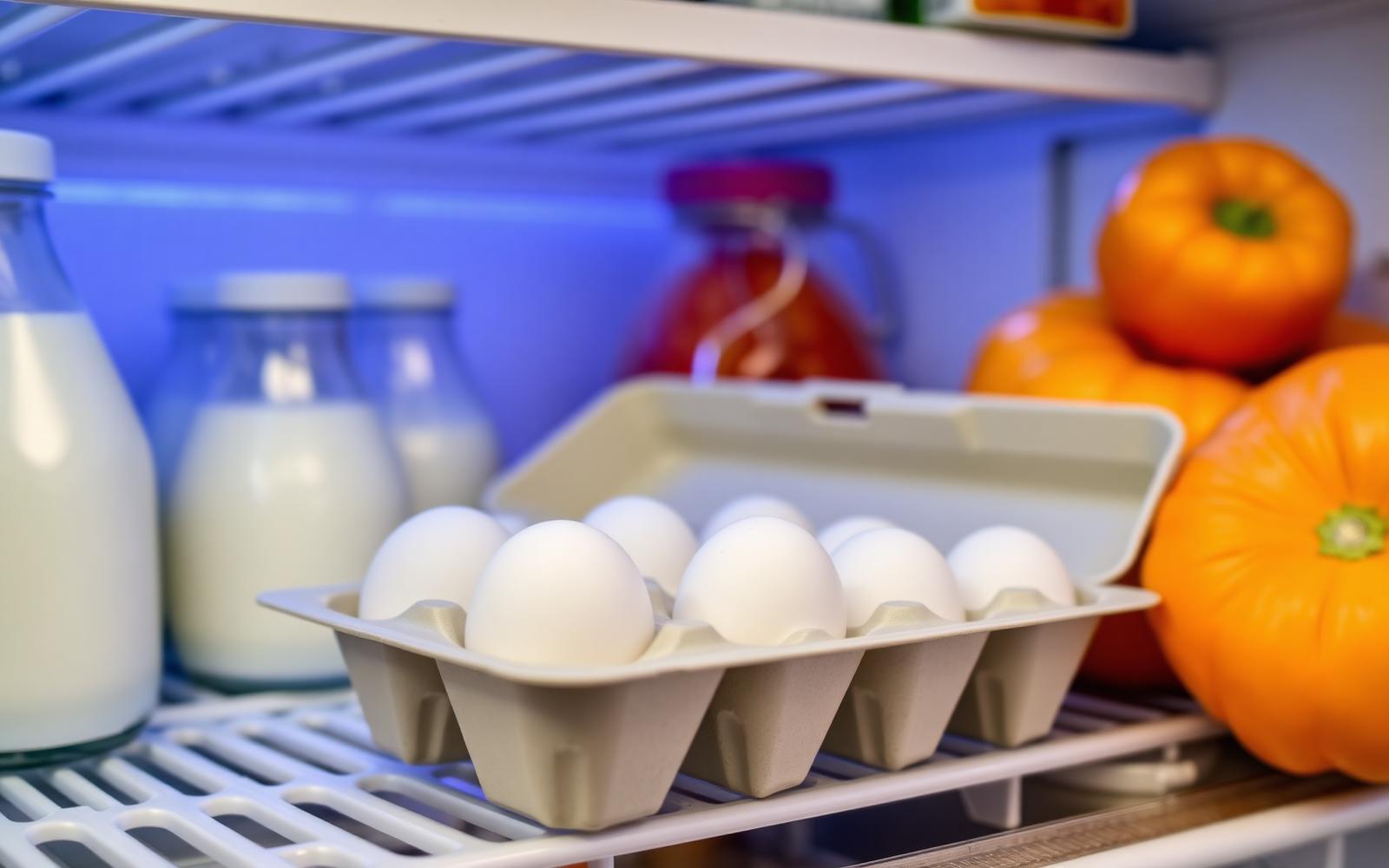
Keep eggs refrigerated at or below 40 degrees Fahrenheit, and keep them in the main body of the fridge rather than the door, where the temperature swings every time it opens.
Cook eggs until both the white and the yolk are firm for anyone in a higher risk group. Dishes containing eggs should reach 160 degrees Fahrenheit, which is where a probe thermometer earns its money.
Be careful with raw egg preparations such as homemade mayonnaise, mousse, tiramisu and cookie dough. Pasteurised eggs exist precisely for those recipes.
Frequently Asked Questions
How many eggs were recalled?
Nearly 1.6 million dozen, which works out at approximately 19 million individual shell eggs.
What does a Class I recall mean?
It is the FDA's highest hazard classification, used when there is a reasonable probability that using the product will cause serious health consequences or death.
Which stores sold the recalled eggs?
Kroger locations in Texas and Louisiana, Brookshire Grocery stores across six southern states, and other smaller retail outlets.
Can you still eat the eggs if you cook them thoroughly?
The recall advice is not to. Cooking kills the bacteria, but handling contaminated shells and raw egg can spread salmonella around your kitchen first.
How long do salmonella symptoms last?
Typically four to seven days, starting anywhere from six hours to six days after exposure. Severe dehydration or a persistent high fever needs medical attention.
Bottom Line
Check the sell by date printed on the carton. If it falls between July 20 and August 17, 2026 and the eggs came from a Kroger or Brookshire store in the affected states, treat them as recalled.
Bin or return them, clean the shelf, and watch for symptoms in anyone at home who ate eggs from that carton in the last week.