Quick Answer
Ragweed pollen release begins in mid August across most of the United States, peaks in the first two weeks of September, and continues until the first hard frost. That is the season people notice.
Years feel worse when three things line up: a wet spring and early summer that grows large plants, a warm late summer that triggers heavy pollen release, and a dry breezy stretch in late August that keeps that pollen airborne instead of washing it out.
A single ragweed plant can release around a billion pollen grains in one season, and those grains travel hundreds of miles on the wind. That is why you can have severe symptoms with no ragweed anywhere near your street.
What Ragweed Actually Is
Ragweed is a group of weedy annuals in the genus Ambrosia. It grows aggressively along roadsides, in vacant lots, in field margins and in any disturbed soil that nobody is maintaining.
It is wind pollinated, which is the entire problem. Insect pollinated plants make heavy sticky pollen designed to hitch a ride on a bee. Wind pollinated plants make enormous quantities of light dry pollen and release it into the air on the assumption that a tiny fraction will reach another plant.
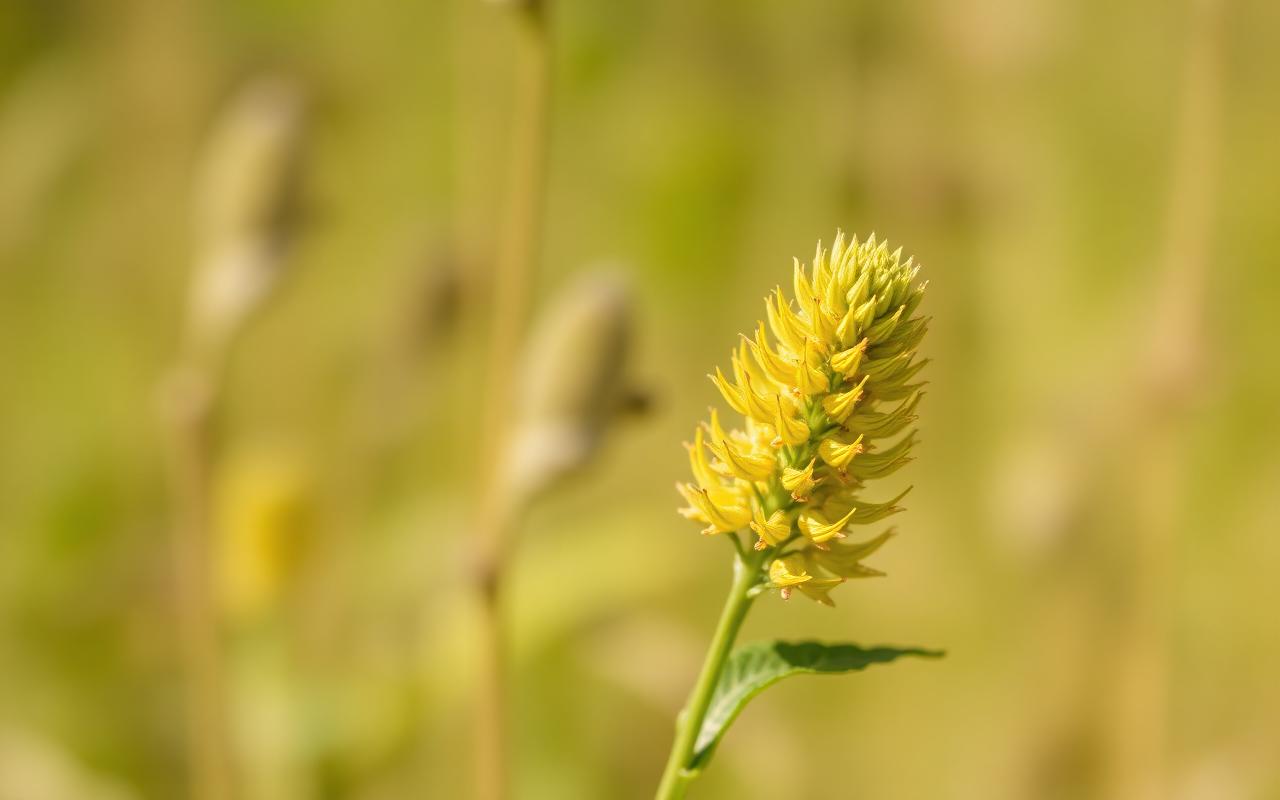
Goldenrod gets blamed constantly and is almost always innocent. It blooms at the same time and is far more visible, but its pollen is heavy and insect carried, so it rarely reaches your nose.
Why Some Years Are Much Worse
Pollen load is set months before you feel it.
- Spring and early summer rainfall determines plant size. Well watered ragweed grows tall and branching, and a bigger plant makes far more flower spikes.
- Late summer warmth advances and intensifies flowering. Warm nights in particular push release earlier.
- Wind and dry air in late August keep grains suspended and carry them into cities from surrounding farmland.
- Rain during peak release temporarily clears the air, though counts often rebound sharply once the ground dries.
- Longer frost free autumns extend the season at the back end, because ragweed keeps releasing until a hard frost kills it.
Research over recent decades has consistently found that the frost free growing season in much of North America has lengthened, and that ragweed responds to higher carbon dioxide levels with more biomass and more pollen per plant. That is the slow background trend under the year to year weather noise.
Is It Ragweed or a Cold?
| Sign | Ragweed allergy | Common cold |
|---|---|---|
| Onset | Sudden, same time each year | Builds over a day or two |
| Duration | Weeks, tracking pollen counts | Usually seven to ten days |
| Mucus | Clear and watery | Often thickens and changes colour |
| Itching | Prominent in eyes, nose and throat | Uncommon |
| Fever | Never | Sometimes |
| Pattern | Worse outdoors and on dry windy days | No weather pattern |
The strongest clue is the calendar. If the same fortnight wrecks you every single year, that is not bad luck with viruses.
Oral Allergy Syndrome Catches People Out
Many ragweed sufferers get an itchy mouth or throat from raw banana, melon, cucumber, zucchini or chamomile tea. This is oral allergy syndrome: proteins in those foods resemble ragweed pollen closely enough that the immune system confuses them.
Reactions are usually mild and limited to the mouth, and cooking the food normally destroys the protein and removes the reaction. Any swelling beyond the mouth or any breathing difficulty is a different problem and needs medical attention rather than self management.
What Actually Reduces Symptoms
Timing matters more than product choice for most people.
- Start medication before the season. Steroid nasal sprays take several days to reach full effect, so beginning in early August beats reacting in September.
- Use a steroid nasal spray correctly. Aim outward toward the ear on the same side, not at the septum, and do not sniff hard.
- Choose a non sedating antihistamine for daytime, and add antihistamine eye drops if eyes are the main issue.
- Rinse pollen off. Shower and change clothes after long spells outdoors, and do not sleep in hair carrying a day of pollen.
- Keep windows shut on dry windy days and run air conditioning on recirculate in the car.
- Use a HEPA filter in the bedroom rather than trying to filter the whole house.
- Time outdoor exercise for after rain or later in the day, since ragweed counts are typically highest in the morning.
If symptoms persist despite consistent treatment, allergy testing and immunotherapy, either injections or under the tongue tablets, are the only options that change the underlying response rather than masking it. Those are multi year commitments and need a specialist.
When Does It End
Ragweed dies with the first hard frost, usually late September in the northern tier, October across the middle of the country and much later in the South, where the season can drag into November.
Indoor triggers rise as outdoor ones fall. Closing up the house for autumn concentrates dust mites and mould, so people often assume ragweed is lingering when the trigger has quietly changed.
How to Read a Pollen Forecast Properly
Most weather apps show a single allergy index number, which is close to useless because it blends tree, grass, weed and mould into one figure. In late August the only line that matters to a ragweed sufferer is weed pollen.
Look for a forecast that breaks out categories and reports actual counts in grains per cubic metre from a certified counting station rather than a modelled estimate. Counting stations are sparse, so a station a hundred miles away may not reflect your street, but a real count beats a smoothed model.
Also watch the shape of the day rather than the daily headline. Ragweed releases pollen mainly in the morning, counts drop during heavy rain and spike again in the dry breezy hours afterwards, so a day rated moderate can still contain a brutal two hour window.
Reducing Ragweed Around Your Own Property
Clearing your own garden will not fix a regional pollen load, but it does reduce the concentration in the air immediately around the house, which is where you spend the most time.
- Identify ragweed before it flowers, in early to mid summer, when the fern like divided leaves are easy to spot and the plant pulls up easily.
- Remove plants at the root rather than mowing repeatedly, because cut ragweed regrows shorter and flowers anyway.
- Wear gloves and a mask if you are removing plants that have already formed flower spikes, and bag the material rather than composting it.
- Keep disturbed soil covered with mulch or planting, since bare disturbed ground is exactly the habitat ragweed colonises first.
- Do the work in the evening after rain, when any loose pollen has already been washed out of the air.
If a neighbouring vacant lot is the real source, a polite note to the property owner or the local authority is more effective than anything you can do on your own side of the fence.
Frequently Asked Questions
When does ragweed season start and end?
Release begins in mid August, peaks in early September and stops at the first hard frost.
How far does ragweed pollen travel?
Hundreds of miles, which is why urban areas with no visible ragweed still record high counts.
Is goldenrod causing my symptoms?
Almost certainly not. Goldenrod pollen is heavy and insect carried; it just happens to bloom at the same time.
When should I start allergy medication?
About two weeks before your local season begins, since nasal steroids need several days to work fully.
Why do bananas and melon suddenly itch?
Oral allergy syndrome, a cross reaction between ragweed pollen proteins and similar proteins in certain raw foods.