Quick Answer
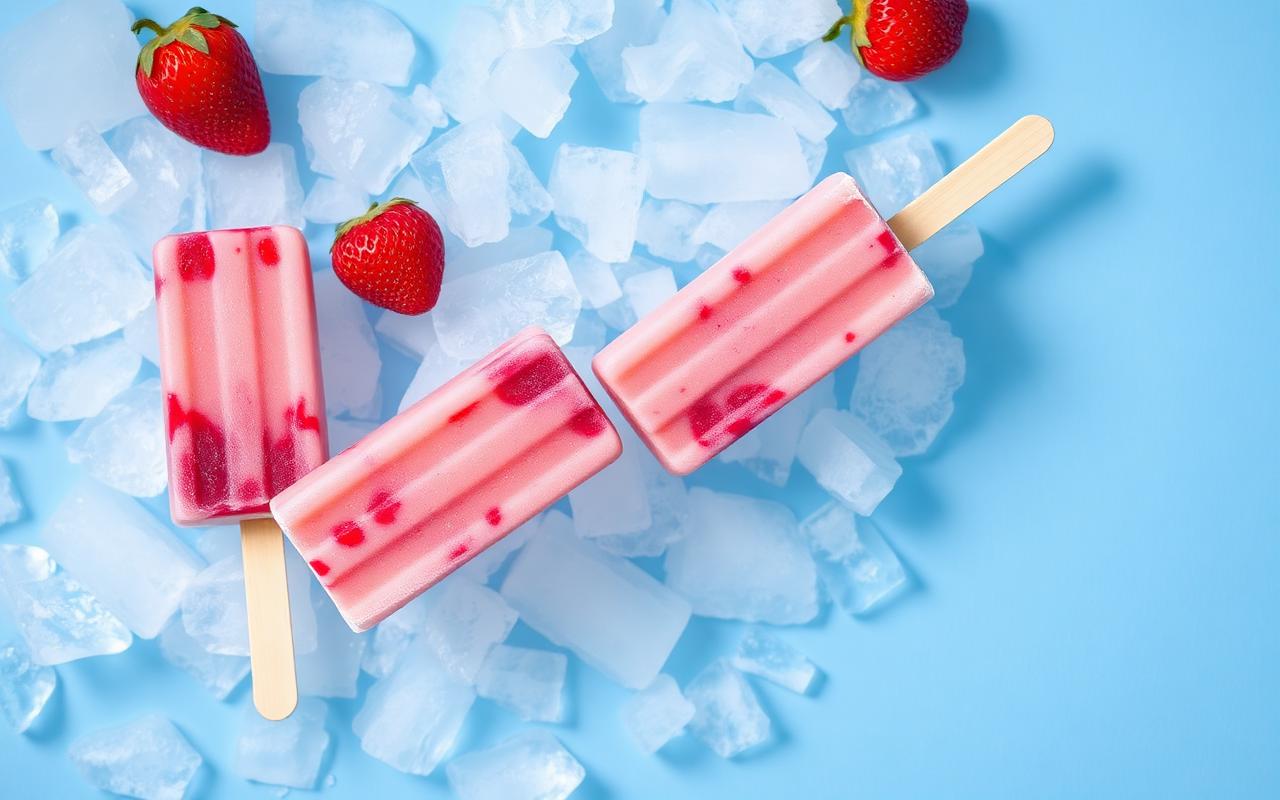
Dreyer's Grand Ice Cream announced a voluntary recall on August 16, 2026 covering five flavours of Outshine fruit bars sold in 6 count boxes of 2.5 ounce bars, because the product may contain pieces of glass.
The affected flavours are Strawberry, Watermelon, Grape, Tangerine and Black Cherry. The recall is national, and no illnesses or injuries had been reported at the time of the announcement.
If you have one of the affected boxes, do not eat the bars. Throw them away or return them to the store for a full refund, and contact the company at its consumer support address if you want to report a box.
Which Flavours and Codes Are Affected
The flavour name alone is not enough to identify a recalled box, because each flavour is only affected within specific batch ranges. Check the UPC on the barcode and the batch code printed on the packaging.
| Flavour | UPC | Batch codes | Best by |
|---|---|---|---|
| Strawberry | 041548610047 | LLA616903 to LLA617603, LLA620303 to LLA621603 | Sep 30, Oct 31 and Nov 30, 2027 |
| Grape | 041548244044 | LLA616803 to LLA620303 | Sep 30 and Oct 31, 2027 |
| Watermelon | 041548413624 | LLA617603 to LLA619503 | Jun 30 and Jul 31, 2027 |
| Black Cherry | 041548000121 | LLA618503 to LLA619003 | Jul 31, 2027 |
| Tangerine | 041548612041 | LLA619603 to LLA619703 | Oct 31, 2027 |
Every affected item is the 6 count box of 2.5 ounce bars. Other Outshine products, other pack sizes and other flavours are not part of this recall.
The batch code is the string that begins with the letters LLA. It sits with the best by date rather than with the nutrition panel, and it is the single most reliable field to check.
Why Glass Is Treated Differently to a Pathogen Recall
Most food recalls that make the news involve a microorganism, usually Listeria, Salmonella or E. coli. Those hazards are invisible, and the risk depends on dose, storage and who eats the product.
Physical contamination works the opposite way. Glass, metal and hard plastic are what the industry calls foreign material, and the hazard is mechanical: cuts to the mouth and throat, dental damage, or injury further down the digestive tract.
That difference changes the advice. With a pathogen you are told to watch for symptoms over a period of days. With glass, the only useful action is to not eat the product, because there is no incubation period and no safe handling step that fixes it.
Cooking does not help either, which is why frozen ready to eat items like fruit bars are treated seriously. There is no kill step between the freezer and the person eating it.
What Dreyer's Has and Has Not Said
- Confirmed: the five flavours, the pack size, the UPCs and batch codes, and that distribution was national.
- Confirmed: no reported illnesses or injuries as of the announcement.
- Not disclosed: how the contamination was discovered, whether through internal quality checks or a consumer complaint.
- Not disclosed: the number of cases or units involved, and any state by state breakdown.
None of those gaps are unusual in a first announcement. Companies typically publish the identifying codes quickly and fill in the operational detail later, if at all.
How the FDA Classification Works
A company announces a voluntary recall first. The FDA then reviews the hazard and assigns a class, which is why you often see a recall reported twice, once at announcement and again weeks later when it is classified.
| Class | What it means |
|---|---|
| Class I | Reasonable probability that use causes serious health consequences or death |
| Class II | May cause temporary or medically reversible harm, with remote probability of serious consequences |
| Class III | Unlikely to cause harm, usually a labelling or quality violation |
Glass recalls have historically landed in Class I or Class II depending on the size and shape of the fragments and how widely the product went out. A comparable Outshine recall in March 2020, involving white plastic pieces, was classified Class II.
At the time of writing the current recall had not yet been posted with a classification, so treat the announcement as the operative guidance rather than waiting for a class number.
What to Do With a Box You Already Have
Start by pulling the box out of the freezer rather than trying to read codes through frost while the door is open. Let the print become readable, then compare the UPC and batch code against the table above.
If it matches, do not eat any bar from the box, including bars that look intact. Fragments are not distributed evenly, and a visual check of a frozen bar is not a reliable test.
Return the box to the retailer for a refund, or dispose of it. If you dispose of it at home, photograph the code panel first, since that is the information any refund or report will ask for.
Consumers can contact Dreyer's at its published consumer support address, dreyers@casupport.com, which is the contact given in the recall notice.
If Someone Already Ate One
Most people who eat a product from a recalled batch encounter nothing at all, because contamination is usually confined to a small number of units.
Watch for the obvious signs rather than worrying abstractly: a crunching sensation while eating, cuts inside the mouth, unexplained throat pain, or blood. Any of those warrants medical advice.
Persistent abdominal pain, vomiting or blood in the stool after eating a recalled product should be treated as urgent. Bring the packaging or a photo of the code panel with you, because it tells the clinician exactly what you ate.
Frequently Asked Questions
Which Outshine flavours were recalled?
Strawberry, Watermelon, Grape, Tangerine and Black Cherry, in 6 count boxes of 2.5 ounce bars, within specific batch code ranges.
Is the whole Outshine range affected?
No. Only the five flavours listed, only in the 6 count pack size, and only within the batch codes named in the recall.
Have any injuries been reported?
No illnesses or injuries had been reported at the time of the announcement.
Can I get a refund?
Yes. Return the product to the place of purchase for a full refund, or contact the company through the consumer support address in the recall notice.
Was this a nationwide recall?
Yes. Distribution was reported as national, with no state by state limitation announced.
Has the FDA classified it?
Not at the time of writing. The FDA usually assigns a class after a company announces a voluntary recall, and the classification can follow weeks later.
Bottom Line
Five Outshine flavours in the 6 count 2.5 ounce format are covered, identified by UPC and by batch codes beginning with LLA. Check the code panel rather than the flavour name.
Glass is a physical hazard with no safe handling workaround, so the only correct response to a matching box is to stop eating it and take the refund.