Quick Answer
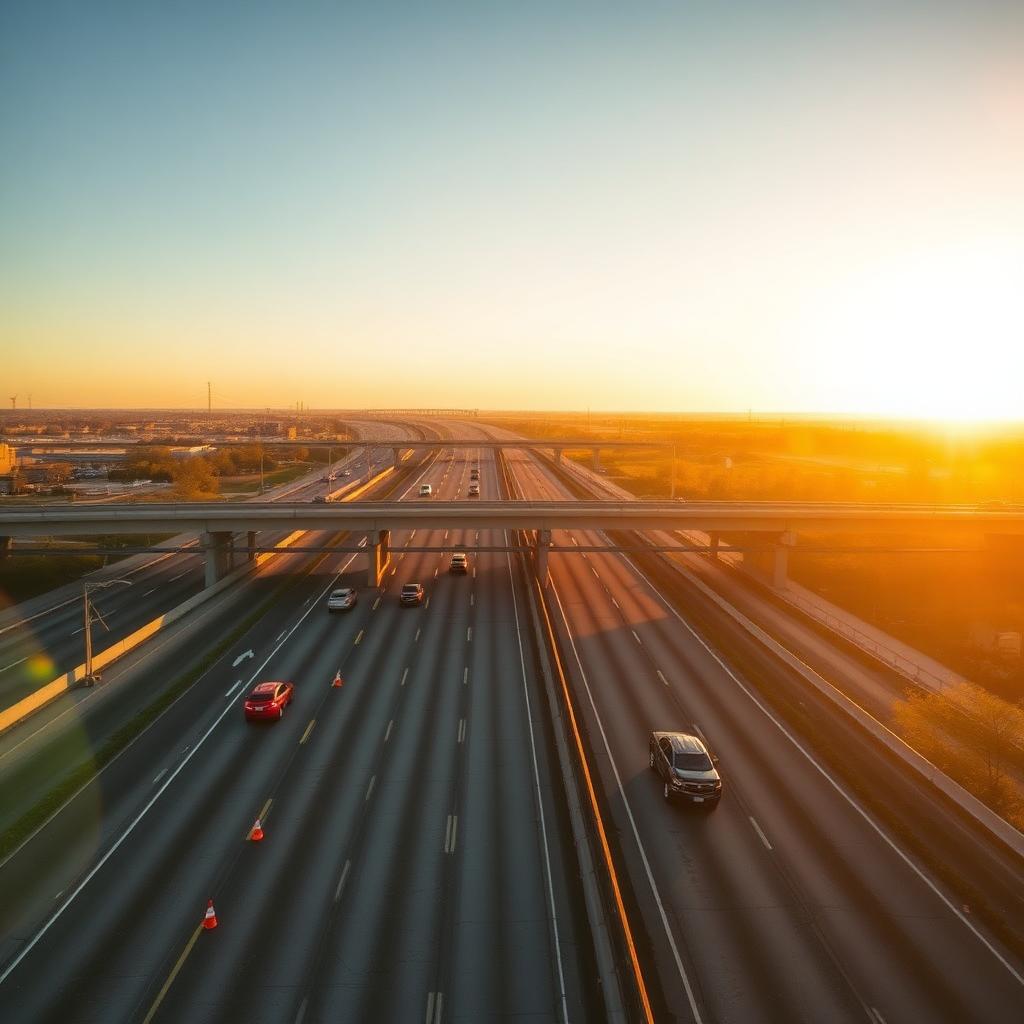
The Wisconsin Department of Transportation (WisDOT) is running one of its largest construction seasons on record, with more than 400 active highway and bridge projects across all 72 counties. Headline corridors include the I 41 expansion between Appleton and De Pere, the I 94 Milwaukee megaproject, the I 41 Milwaukee County rebuild, and a full closure of WIS 21 between Omro and Oshkosh.
WisDOT is also pushing free voter ID pathways through the DMV, warning drivers about a wave of phishing text scams impersonating the agency, and reminding motorists that fines double inside work zones under Wisconsin law.
The 2026 Highway Construction Picture
WisDOT, currently led by Secretary Kristina Boardman, has activated a full season of capital projects backed by state funding and a growing use of alternative project delivery methods such as design build. The agency's stated goal is to clear long standing bottlenecks and replace aging concrete that dates back to the original interstate era.
Four corridors stand out as the ones most drivers will actually feel in their daily commute:
I 41 Appleton to De Pere
Crews are adding capacity lanes and rebuilding interchanges along this critical Fox Valley corridor. Expect overnight lane closures, shifted traffic patterns, and reduced speed limits in active work areas through the warm season.
I 94 East West (Milwaukee)
The long term reconstruction between 70th Street and 16th Street is one of the largest urban interstate rebuilds in the state's history. Lane shifts, ramp closures, and detours are concentrated in this stretch as the older urban framework gets modernised.
I 41 Milwaukee County
The multi year rebuild between Burleigh Street and Good Hope Road is entering its final phase. WisDOT is aiming to restore unrestricted traffic flows by winter, with the heaviest construction activity concentrated in the warmer months.
WIS 21 Omro to Oshkosh
This stretch is under full closure with active detours running into late autumn. Local traffic patterns have changed significantly, and drivers in the Winnebago County area should plan extra time and use the posted detour routes rather than improvising.
The DMV: More Than Driver's Licences
WisDOT's Division of Motor Vehicles is doing far more than processing renewals. Two themes dominate the 2026 DMV agenda: voter ID accessibility and digital scam prevention.
Free voter ID pathways
Wisconsin requires a valid photo ID to vote in person. WisDOT runs the official free state ID programme for voters who lack a driver's licence, and crucially also operates an ID Petition Process for residents who cannot produce the underlying documents normally required, such as a certified birth certificate.
Under this process, the DMV works directly with vital records offices and other agencies to verify identity through alternative means, so no eligible voter is shut out due to missing paperwork or fees.
The phishing scam wave
Wisconsin motorists have been targeted by a wave of fraudulent text messages and emails impersonating WisDOT and the DMV. Common templates include fake licence suspension notices, fake unpaid toll demands, and fake REAL ID urgency warnings, each pointing to a malicious link that harvests credit card numbers, Social Security numbers, and login credentials.
WisDOT's guidance is unambiguous: the DMV will never demand sensitive personal information or immediate payment via unsolicited text message. Any genuine interaction should be verified through the official wisconsindot.gov portal, not a link in a text.
Work Zone Safety: Safe Actions Save Lives
Wisconsin highway data is blunt about who actually dies in work zone crashes: the overwhelming majority of fatalities and serious injuries are drivers and passengers, not construction workers. WisDOT has partnered with the Wisconsin State Patrol on a sustained enforcement campaign built around three pillars:
- Hand held mobile devices are illegal in work zones. Wisconsin law prohibits any hand held phone use within a posted work zone, regardless of whether you are stopped or moving.
- Fines double in work zones. Speeding and other moving violations carry doubled financial penalties when committed inside marked construction boundaries.
- The Move Over law applies to construction crews too. Drivers must change lanes or significantly slow down when approaching any roadside emergency, maintenance, or construction vehicle with flashing lights.
What Drivers Should Actually Do This Summer
If you live in or drive through Wisconsin this construction season, a few practical habits will save you time, money, and risk:
- Check 511wi.gov before any longer trip. The state's official 511 system shows live closures, incident alerts, and travel times.
- Build in buffer time for commutes on I 94, I 41, and any corridor running through an active project zone.
- Treat any DMV text message as suspicious by default. Open a new browser tab and go directly to wisconsindot.gov to verify status.
- Slow down and put the phone away the moment you see orange work zone signage.
- If you need a voter ID, visit a DMV service centre and ask specifically about the free ID and Petition Process options.
The Takeaway
WisDOT in 2026 is juggling a record construction season, a modernised DMV mission, and an active consumer protection role against phishing fraud, all while pushing safer driver behaviour inside work zones. For drivers, the practical playbook is simple: plan around the I 41 and I 94 corridors, verify any DMV communication through the official portal, take advantage of the free voter ID pathways if you need one, and remember that fines double in work zones for a reason. Wisconsin's roads are being rebuilt around you this year, and a little patience now buys decades of better infrastructure later.