Quick Answer
Ebola virus disease is a severe and often fatal illness in humans, first identified in 1976 near the Ebola River in what is now the Democratic Republic of the Congo. The virus is believed to live in fruit bats and jumps to people through contact with infected animals.
Once in humans, Ebola spreads through direct contact with the blood, vomit, sweat, saliva, semen or other bodily fluids of someone who is sick or has recently died. It is not airborne, which is why isolation, safe burials and trained healthcare teams are the core of every outbreak response.
Two licensed vaccines (Ervebo and the Zabdeno plus Mvabea regimen) and two approved monoclonal antibody treatments (Inmazeb and Ebanga) have changed outcomes dramatically since the 2014 West Africa epidemic.
Where Ebola Came From
Ebola virus disease, previously called Ebola hemorrhagic fever, was first recognized in 1976 during two simultaneous outbreaks. One was in Nzara, in what is now South Sudan, and the other was in Yambuku, in the Democratic Republic of the Congo. The Yambuku outbreak occurred in a village near the Ebola River, which gave the virus its name.
The natural reservoir is widely believed to be fruit bats of the Pteropodidae family. Bats carry the virus without becoming visibly sick, and the virus spills over into people when they handle infected bats or other infected animals such as chimpanzees, gorillas, monkeys, forest antelope and porcupines found ill or dead in the rainforest.
Major Outbreaks Since 1976
Most Ebola outbreaks before 2014 were small, rural, and contained within a few months. That changed with the 2014 to 2016 West Africa epidemic, which exposed serious gaps in global health preparedness.
- 1976, Yambuku (DRC). 318 cases, 280 deaths. Case fatality around 88 percent.
- 1995, Kikwit (DRC). 315 cases, 254 deaths.
- 2000 to 2001, Gulu (Uganda). 425 cases, 224 deaths.
- 2014 to 2016, West Africa. More than 28,600 reported cases and over 11,300 deaths across Guinea, Liberia and Sierra Leone, with smaller exported clusters in Nigeria, Mali, Senegal, Spain, the UK, Italy and the United States.
- 2018 to 2020, Eastern DRC. The second largest outbreak in history, complicated by active armed conflict.
- 2022, Uganda. A Sudan ebolavirus outbreak controlled in about four months.
How Ebola Actually Spreads
Once Ebola enters a community, person to person transmission drives the outbreak. The virus spreads through direct contact (broken skin or mucous membranes in the eyes, nose or mouth) with:
- Blood or body fluids of a person sick with or who has died from Ebola.
- Objects contaminated with body fluids such as needles, bedding, clothing or medical equipment.
- Infected fruit bats or non human primates during handling, slaughter or preparation.
- Semen of a man who has recovered from Ebola, sometimes for many months after recovery.
Ebola is not spread through the air, water or, in general, food. A person is not contagious until they develop symptoms, which is one of the most important facts shaping the public health response.
The Symptom Timeline
The incubation period (time from infection to symptoms) is 2 to 21 days, with an average of 8 to 10 days. Initial symptoms look like many other tropical illnesses, which is why early diagnosis is hard.
Early symptoms include fever, severe headache, muscle pain, weakness, fatigue and sore throat. After a few days these are followed by vomiting, diarrhea, abdominal pain, a rash, and signs of impaired liver and kidney function.
In severe cases, patients develop bleeding from the gums, blood in stools, and oozing from intravenous puncture sites. Death typically occurs from multi organ failure and shock between days 6 and 16 of symptoms.
How Doctors Confirm a Case
Because Ebola looks like malaria, typhoid, Marburg virus disease and other regional illnesses at the start, lab confirmation is essential. The standard test is a reverse transcription polymerase chain reaction (RT PCR) assay on a blood sample, which detects viral RNA within the first few days of symptoms.
Antigen detection ELISAs and rapid antigen tests are used in field settings. Specimens are extremely infectious and must be handled in BSL 4 conditions or in specially equipped mobile labs.
Treatment Has Genuinely Improved
For decades, supportive care (IV fluids, electrolyte correction, oxygen, treatment of co infections) was all that could be offered. That alone, when started early and delivered well, can push survival rates significantly higher.
Since 2020, two monoclonal antibody therapies have been approved by the US FDA for Zaire ebolavirus:
- Inmazeb (atoltivimab, maftivimab and odesivimab). A three antibody cocktail.
- Ebanga (ansuvimab). A single monoclonal antibody.
In the PALM trial in the Democratic Republic of the Congo, patients given either of these treatments early had mortality rates around 35 percent or lower, compared with historical rates often above 70 percent.
Vaccines That Changed the Game
The 2014 West Africa epidemic accelerated vaccine development that had been quietly underway for years.
- Ervebo (rVSV ZEBOV). A single dose vaccine made by Merck, licensed by the US FDA in 2019. It is highly effective against Zaire ebolavirus and is now the workhorse of ring vaccination, where contacts of confirmed cases and their contacts are vaccinated to draw a protective ring around the outbreak.
- Zabdeno and Mvabea. A two dose prime boost regimen from Johnson and Johnson, used in higher risk populations such as healthcare workers and people living in outbreak prone regions.
These vaccines, paired with rapid response teams, are why recent outbreaks in the DRC and Uganda have been contained in weeks or months rather than the years it took in West Africa.
How Outbreaks Are Stopped Today
Stopping an Ebola outbreak is not about one tool. It is a coordinated playbook that mixes biology, logistics and community trust.
- Surveillance. Active case finding in clinics and villages, plus follow up of every known contact for 21 days.
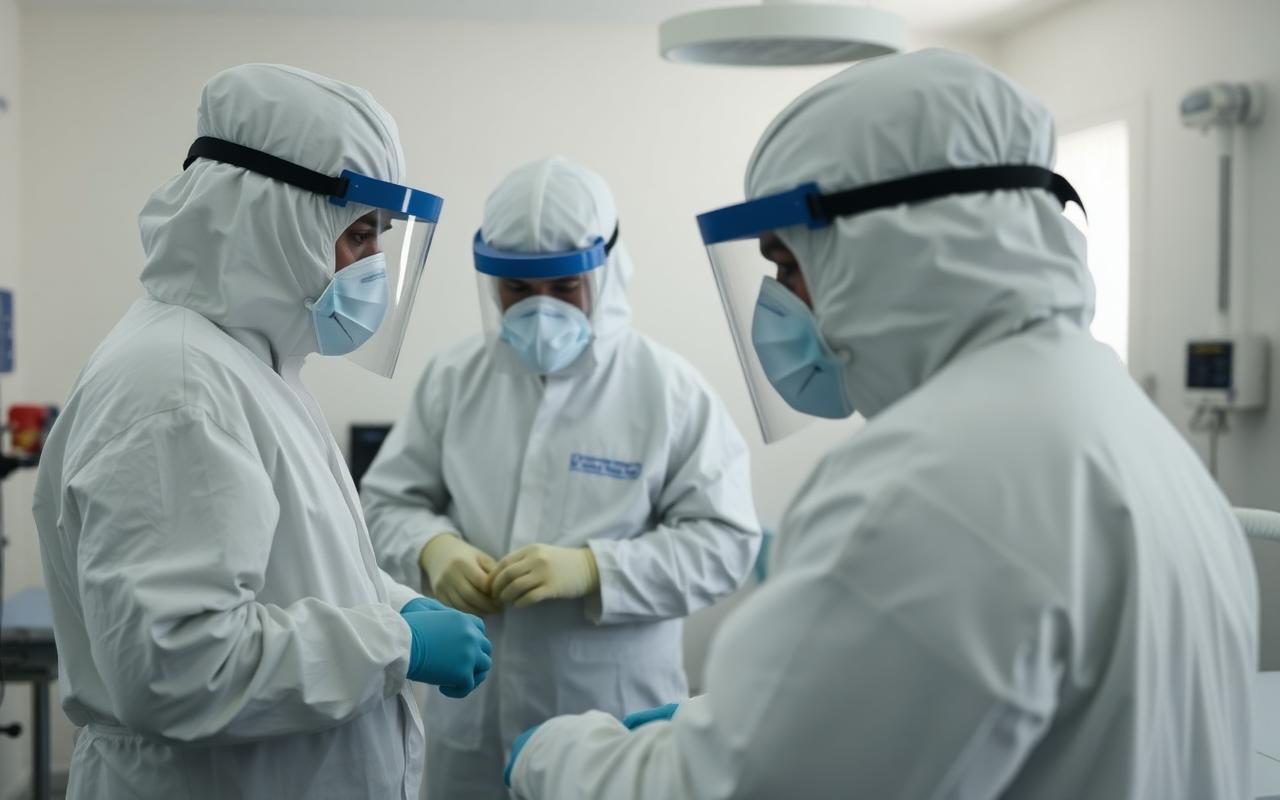
- Isolation and treatment units. Patients are cared for in purpose built Ebola treatment centers with strict infection prevention and control protocols.
- Safe and dignified burials. Traditional funeral practices involve washing and touching the body, which can be devastating when the body is highly infectious. Trained burial teams now work with families to do this safely.
- Ring vaccination. Contacts and contacts of contacts are vaccinated to break chains of transmission.
- Risk communication and community engagement. Local leaders, faith leaders and survivors are central to building trust and dispelling rumors.
Why Global Preparedness Still Matters
Ebola is not gone. The fruit bat reservoir means spillover events can happen again at any time, and modern travel means a single case in a remote forest community can become a global concern within days. International coordination through the World Health Organization, Africa CDC, Doctors Without Borders and national health ministries is what keeps small outbreaks small.
The Takeaway
Ebola is one of the most feared viruses on the planet, and for good reason. But the science has moved faster than most people realize. Between two licensed vaccines, two approved antibody treatments, fast diagnostics and a well practiced outbreak response playbook, the world is genuinely better prepared than it was in 2014. The remaining work is mostly about access, trust and political will.
Frequently Asked Questions
Is Ebola airborne?
No. Ebola spreads through direct contact with bodily fluids or contaminated objects, not through the air.
Is there a vaccine for Ebola?
Yes. Ervebo (single dose) and the Zabdeno plus Mvabea prime boost regimen are both licensed.
Can you survive Ebola?
Yes. With early supportive care and approved monoclonal antibody treatment, survival rates can exceed 65 percent.