Quick Answer
On June 12, 2026, JBS USA announced the planned closure of its Souderton, Pennsylvania beef harvesting plant and its Memphis, Tennessee value added food facility. The Souderton closure is the most disruptive of the two, removing one of the largest beef processing sites on the United States East Coast.
The closures are tied to the deepest US cattle shortage in roughly 75 years. Drought, high feed costs, and shrinking herd sizes have pushed processors into structurally lower utilisation, and JBS is responding by consolidating volume into larger, more efficient plants in the Midwest and South.
Consumers are unlikely to see a sudden grocery shock from the announcement itself, but the closures reinforce the longer trend of higher beef prices that has already pushed the US retail beef index to record highs through 2025 and 2026.
What JBS actually announced
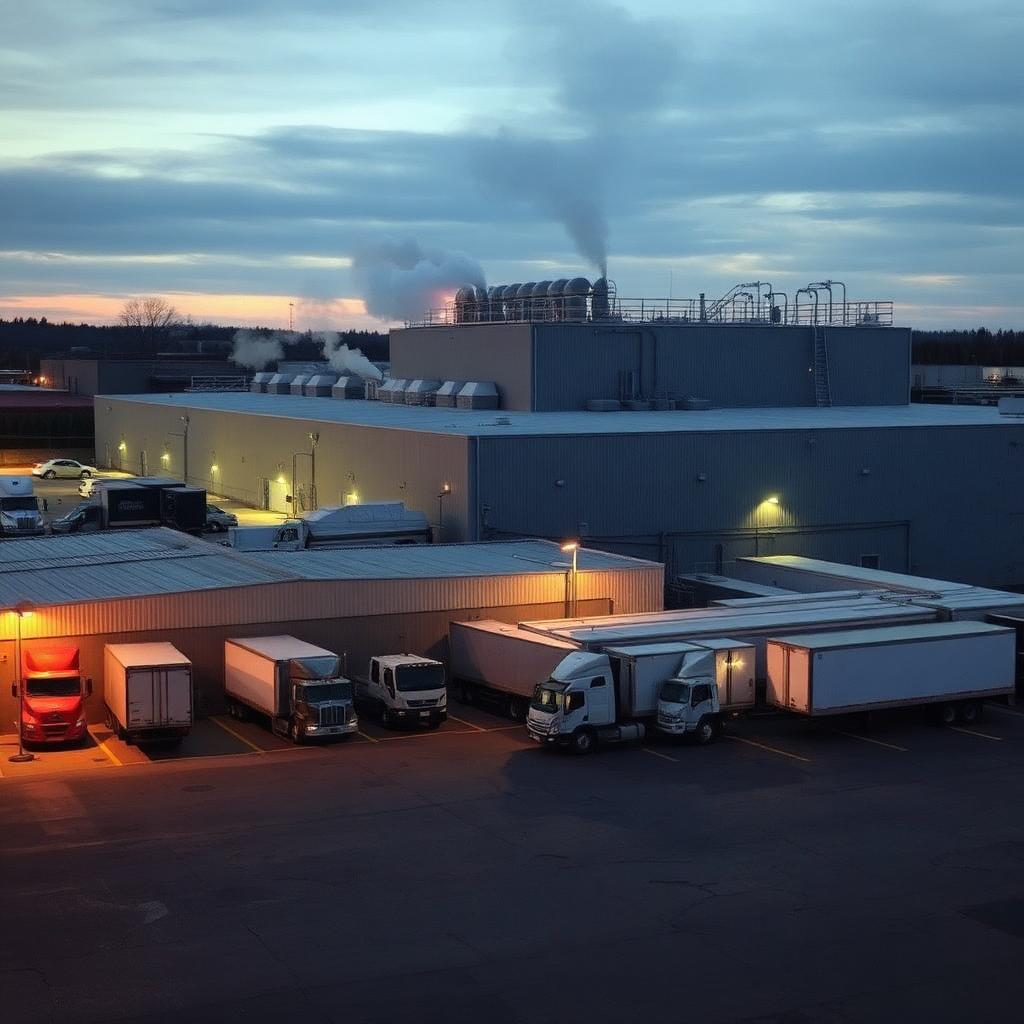
The company published the closures in a Greeley, Colorado dated press release on June 12, 2026, framed as part of a broader effort to "strengthen operations." Two sites are affected:
- Souderton, Pennsylvania. A beef harvest and fabrication plant in Montgomery County, north of Philadelphia. JBS acquired the site from MOPAC in 2008. It is the only large scale federally inspected beef plant of its size in the Northeast.
- Memphis, Tennessee. A value added prepared foods facility focused on portioning, packaging, and case ready beef. Volume from Memphis will be reallocated to JBS's Texas and Georgia plants.
JBS USA Chief Executive Wesley Batista Filho framed the move as a consolidation rather than a contraction, citing the company's plan to integrate its beef and case ready businesses on a single platform.
The real driver: a 75 year low US cattle herd
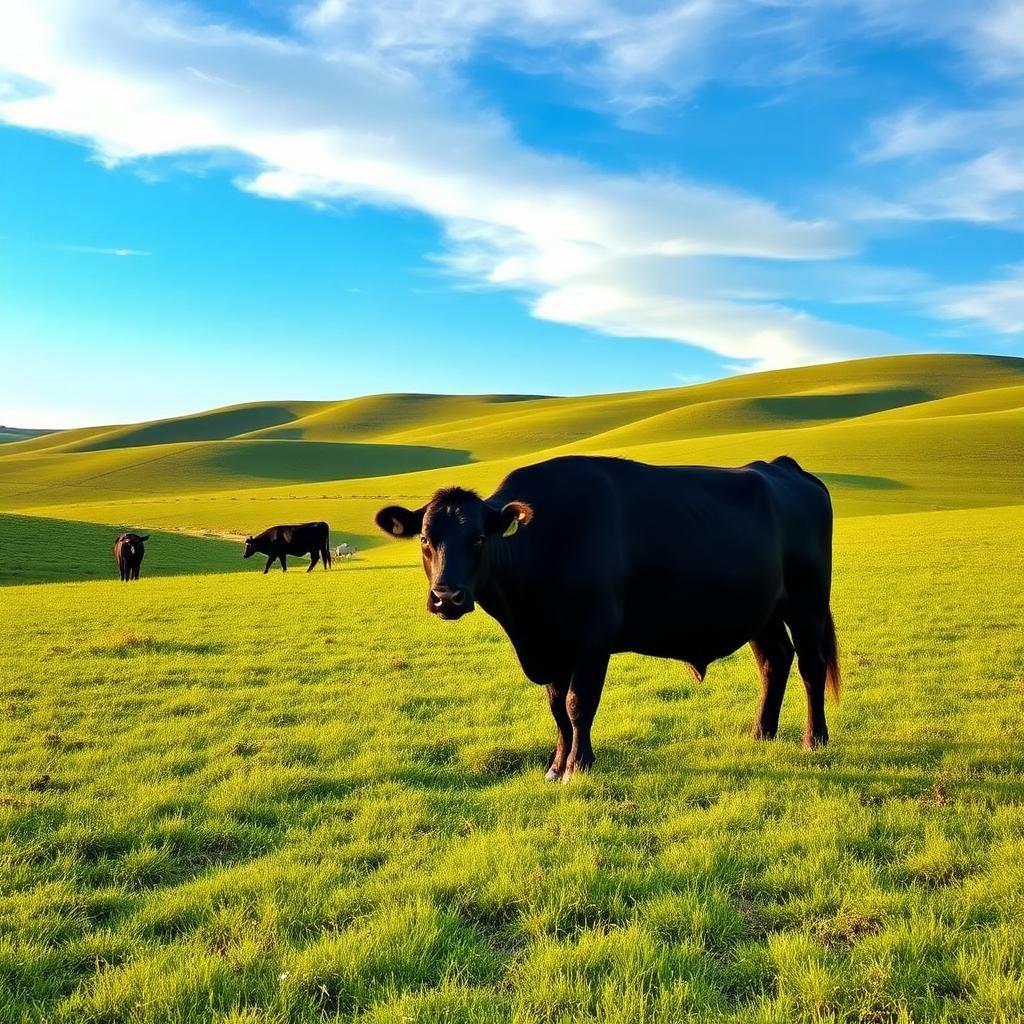
The single most important fact behind the closures is the size of the US cattle herd. USDA data through January 2026 puts the total US cattle and calf inventory at roughly 86.7 million head, the lowest reading since the early 1950s.
Several forces are squeezing the herd at the same time:
- Multi year drought across the Plains. Persistent dry conditions in Texas, Oklahoma, and the Dakotas have stressed pasture and forced earlier culling.
- High feed and interest costs. Rebuilding a herd requires holding back heifers, which is expensive when borrowing rates and feed bills are elevated.
- Strong cull prices. When cull cow prices stay high, ranchers have less incentive to retain animals for the long rebuild cycle.
For processors, fewer cattle means fewer animals competing for slot time at each plant, which pushes raw material costs up and plant utilisation down. Bloomberg reported on the same June 12 announcement that the Pennsylvania closure was the latest sign of pressure on US meatpackers from this exact shortage.
What it means for workers and local communities
JBS has not published precise workforce numbers in the initial release. Industry reporting and union sources have put the Souderton headcount near 1,400 and the Memphis site at several hundred. Plant closures of that scale carry real local pain through tax base, supplier networks, and rural cattle haul economics.
JBS has stated that affected workers will have access to internal transfer programs across its national network, severance benefits, and on site partnerships with local workforce development boards. The company has also committed to honouring previously announced funding through its Hometown Strong community programme.
What it means for ranchers, especially in the Northeast
The Souderton site has historically pulled cattle from New York, Pennsylvania, New Jersey, Maryland, and parts of New England. Without it, regional ranchers face longer hauls to alternative plants in the Midwest or further south, which raises transport costs and shrinkage on each load. Smaller regional packers may absorb some of the volume, but capacity at that scale is limited.
What it means for grocery prices
Two effects are worth separating.
- Short term grocery prices. Unlikely to spike directly from the closures, because JBS is reallocating the volume rather than retiring it. Total US slaughter capacity stays close to where it was.
- Medium term beef prices. Already at record highs. The underlying cattle shortage is the dominant force, and the closures simply reinforce the structural backdrop. Retail ground beef and steak prices are expected to stay elevated into 2027 unless the herd rebuilds, which itself takes years.
The USDA's most recent forecasts continue to project tight cattle supplies through the 2026 to 2027 marketing year, with retail beef prices holding near current levels.
How JBS fits into the wider industry picture
JBS USA is one of the four packers that handle roughly 85 percent of US fed cattle slaughter, alongside Tyson, Cargill, and National Beef. All four have signalled some combination of plant idlings, reduced shifts, or capacity reviews over the past 12 months as the cattle shortage has tightened. The JBS announcement is the most concrete example so far of permanent capacity coming offline at one of the big four.
Frequently asked questions
When did JBS announce the closures?
June 12, 2026, in a press release from JBS USA's Greeley, Colorado headquarters.
Which JBS plants are closing?
The Souderton, Pennsylvania beef plant and the Memphis, Tennessee value added facility.
Will beef prices go up because of the closures?
Most likely no sudden price jump, because JBS is reallocating volume to larger plants. The bigger price driver remains the multi year cattle shortage, which is already pushing record beef prices.
How many workers are affected?
JBS has not published a final headcount. Industry reporting puts the Souderton workforce near 1,400 and Memphis at several hundred.