Quick Answer
How long has David Lloyd been around? David Lloyd Clubs has been around since 1982. The first club was opened in west London by former British number one tennis player and Davis Cup captain David Lloyd, and the company has now traded for more than 40 years. The estate today is 149 clubs across the UK and Europe, with around 822,000 members at the end of 2025.
The 1982 founding
David Alan Lloyd, born 1948 in Leigh on Sea, was a successful British tennis player in the 1970s and 1980s who captained the Davis Cup team. After his playing career, he founded the original David Lloyd Leisure business in 1982 with a vision for family centred premium tennis and fitness clubs.
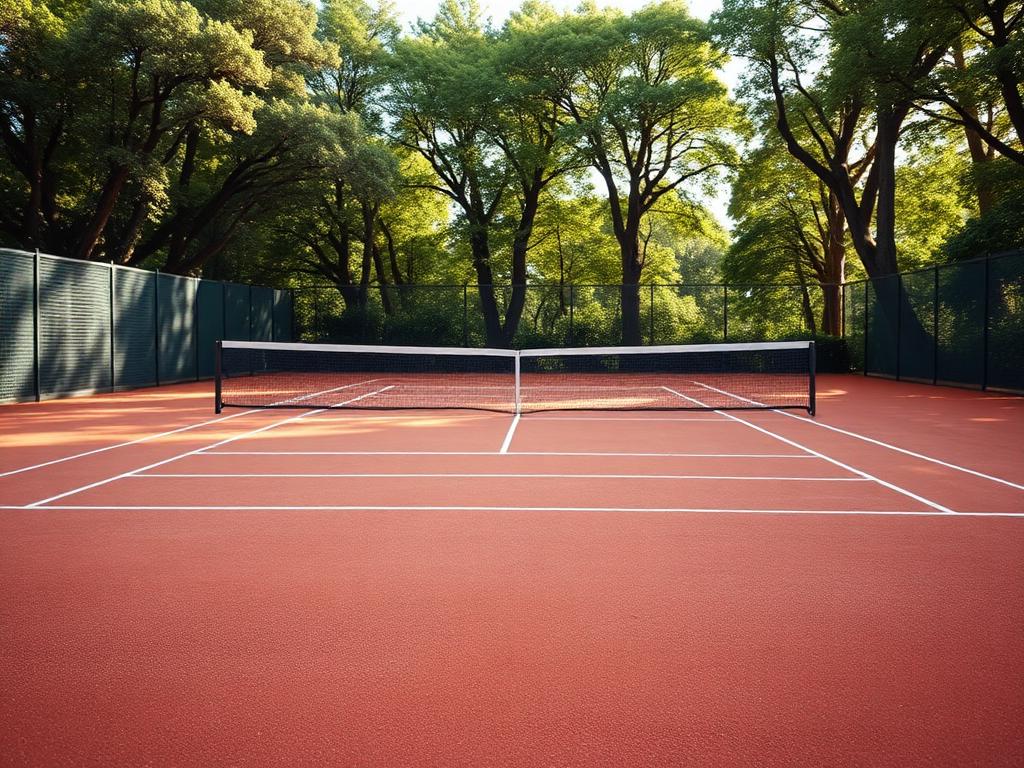
The first club opened in Heston, west London, and combined indoor tennis (then rare in the UK), a swimming pool, a gym, and a clubroom under one roof. The model proved popular fast.
Whitbread and rapid expansion
In 1995 the company was sold to Whitbread, which grew the chain through acquisition and new builds across the UK and into mainland Europe. Throughout the late 1990s and 2000s the estate expanded steadily and the brand became the dominant premium racquet and fitness operator in the UK.
London & Regional and TDR Capital
In 2007 the chain was sold by Whitbread to London & Regional Properties for around £925 million. Under London & Regional the business continued to invest in clubs, classes, and racquet sports.
In 2013 private equity firm TDR Capital acquired the business, and it has remained under TDR Capital ownership through the period of European expansion, padel rollout, and post pandemic recovery. David Lloyd himself has not had an operational role for decades; the company simply carries his name.
The chain in 2026
- 149 clubs across the UK and Europe (about us page, 2026).
- Around 822,000 members at the end of 2025 (trading update Feb 2026).
- UK's largest padel operator with 84 plus padel courts.
- 9 countries: UK, Ireland, Netherlands, Belgium, Germany, France, Switzerland, Italy, Spain.
- Plans to grow the estate by around 50 percent over the next 10 years (property and land page).
Key milestones
| Year | Milestone |
|---|---|
| 1982 | First David Lloyd club opens in Heston, west London |
| 1995 | Whitbread acquires the chain |
| 2007 | Sold to London & Regional Properties for around £925m |
| 2013 | Acquired by TDR Capital |
| 2025 | Becomes the UK's largest padel operator |
| 2026 | 149 clubs, 822k members, 9 countries |
FAQ
When did the first David Lloyd club open?
In 1982, in Heston, west London.
Does David Lloyd still run the company?
No. He has not had an operational role since the Whitbread sale in 1995. The chain is owned by TDR Capital today.
How big is David Lloyd in 2026?
149 clubs across 9 countries with around 822,000 members.
More context on the David Lloyd story
The reason the brand has lasted four decades and four ownership changes is that the underlying model has barely changed. Premium racquet, pool, gym, and family club, in one building, run as a bundle. Whitbread tried to push the model harder into hospitality. London & Regional treated it as a real estate play. TDR Capital has run it as a focused European wellness platform. Each owner kept the core experience consistent.
David Lloyd himself stepped away from the operational business in the mid 1990s and the chain has been run by professional management ever since. He remains an influential figure in British tennis and a frequent public commentator on racquet sports, but he is not involved in the day to day running of the chain that carries his name.
For 2026 members, the practical takeaway is that the chain has institutional depth. Forty years of refurbishment cycles, four decades of recruiting and training fitness and racquets staff, and a multi country footprint mean that the chain is unlikely to disappear, get sold to a budget operator, or pivot to a different model in the foreseeable future. That stability is part of what justifies the premium price.
Practical playbook for new members
Knowing the brand is 40 plus years old changes the way you should approach joining. The chain has been through several economic cycles and several ownership changes, and the resulting operational depth shows in the things you do not always notice: trained reception staff, consistent class formats across clubs, mature racquets coaching programmes, and a refurbishment cycle that keeps kit current.
For a new member in 2026, the practical benefit of that institutional depth is that the experience is predictable. A David Lloyd in Aberdeen feels like a David Lloyd in Oxford which feels like a David Lloyd in Brussels. The class library overlaps, the Clubroom format is consistent, the spa product is recognisable. That predictability is rare in the wider gym industry and is one of the strongest arguments for paying the premium price.
If you are joining specifically because of the brand heritage, take the time to walk a few clubs before settling on your home site. The newer refurbishments often feel meaningfully different from the older sites, and the right choice depends on whether you value the racquet heritage, the family programme, or the spa most.
Related reading
Final word
The David Lloyd brand is over 40 years old in 2026 and has outlasted four different owners since the founder stepped back in the mid 1990s. The model has barely changed: premium racquet, pool, gym, and family club, in one building, run as a bundle.