Quick Answer
A leaf blower saves real time once you have more than roughly a quarter acre of open lawn and dry leaves. Below that, a rake often finishes first because there is no setup, no battery and no cord.
Wet leaves flip the answer entirely. Blowers struggle with anything soggy or matted, and that is when a rake stops being the slow option.
The genuinely fastest method for most suburban lawns is neither. Running a mulching mower over the leaves takes a fraction of the time and feeds the lawn.
Where the Blower Genuinely Wins
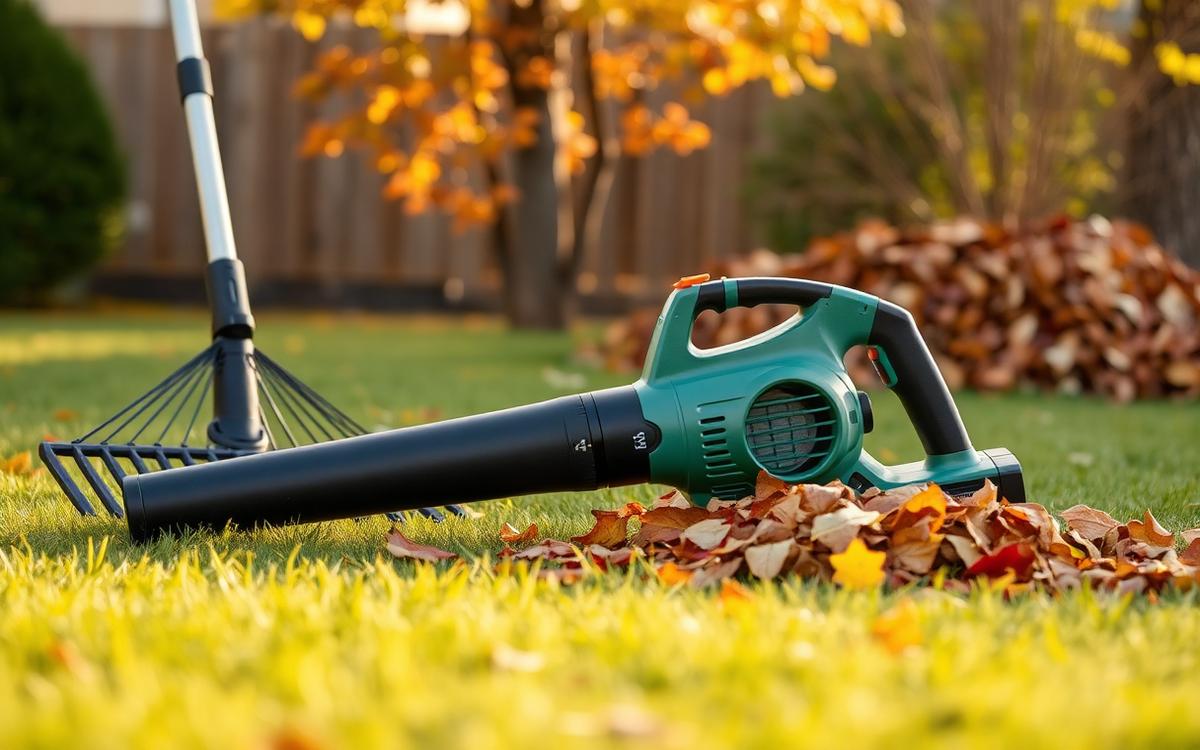
Blowers are at their best moving dry, loose leaves across a large open surface toward a single collection point. On a big lawn, a driveway, a patio or a long path, the difference is not subtle.
They are also far better than a rake on hard surfaces and in awkward places. Gravel, mulch beds, under shrubs, along fence lines and inside gutters are all places a rake either cannot reach or damages the surface trying.
The other advantage is your back. Raking is repetitive twisting under load, which is a common cause of autumn back complaints. A blower keeps your spine largely still.
Where the Rake Wins
Small yards are the obvious case. If the job takes fifteen minutes, retrieving a blower, fitting a battery and putting it away afterwards eats the time saving before you start.
Wet leaves are the decisive one. A matted, rain-soaked layer sticks to grass and shrugs off airflow, while a rake lifts it straight off. Autumn being autumn, plenty of leaf clearing happens in exactly these conditions.
Rakes also win on precision. Clearing leaves out of a flower bed without redistributing the mulch, or off a delicate ground cover, is easier by hand. And a rake is silent, needs no fuel, never runs out of charge and costs very little.
The Honest Comparison
| Leaf blower | Rake | |
|---|---|---|
| Best on | Large open areas, hard surfaces, dry leaves | Small yards, wet leaves, beds |
| Setup time | Battery, cord or fuel | None |
| Upfront cost | Moderate to high | Low |
| Running cost | Electricity, fuel, batteries | None |
| Noise | Loud enough to need ear protection | Silent |
| Physical strain | Arm and shoulder fatigue | Back and shoulders, more overall effort |
| Neighbour friendliness | Depends entirely on the hour | Always fine |
The Option That Beats Both
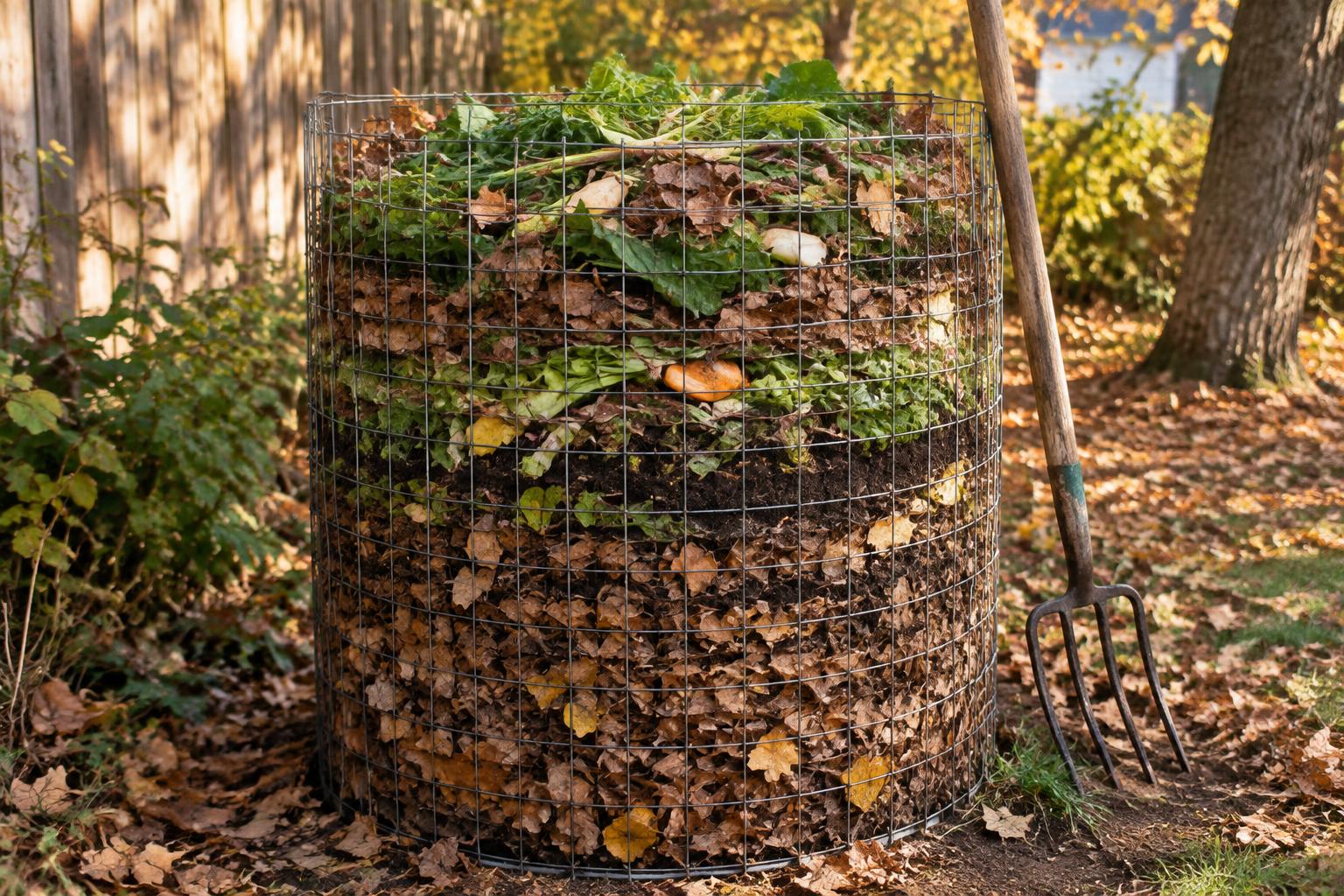
Mulching the leaves with a mower is faster than either tool on a typical lawn and is better for the grass. You pass over the lawn as though mowing and the blades chop the leaves into small fragments that fall between the grass blades and break down over winter.
The results are worth the change of habit. Shredded leaf litter returns nutrients and organic matter to the soil, improves structure and reduces how much fertiliser the lawn needs in spring.
There are limits. If the leaf layer is deep enough that you cannot see grass at all, mulching it in one pass will smother the lawn. In that case remove some first, then mulch the rest. Large tough leaves such as sycamore also need more than one pass.
If You Are Buying a Blower
- Look at cubic feet per minute of airflow, not just miles per hour. Air volume is what actually moves a pile, while speed alone just scatters it.
- Battery models have become genuinely capable and are far quieter than petrol. Check runtime on the highest setting, since that figure is usually quoted on the lowest.
- Corded electric is the cheapest and lightest, and fine for anything within reach of an extension lead.
- A variable speed trigger matters more than peak power. Full blast in a flower bed is how you lose the mulch.
- Weight and balance decide whether you finish the job. Test it held out at arm's length, which is how you will actually use it.
- A blower with a vacuum and shredding mode collects and reduces leaf volume in one step, which is useful if you compost.
Noise, Rules and Being Reasonable
Blowers are loud enough that hearing protection is a sensible default, and prolonged exposure to that kind of noise is a real risk rather than a fussy one. Wear ear defenders and safety glasses, because blowers throw grit.
Many towns and homeowner associations restrict blower use by hour, and some have restricted petrol models entirely. Check the local rules before buying rather than after a complaint, and keep the hours civilised regardless of what is technically allowed.
Working Efficiently Either Way
- Work with the wind rather than against it. Fighting a breeze doubles the job for both tools.
- Move leaves to a tarp rather than to a pile on the grass. Dragging a loaded tarp beats filling bags by hand every time.
- Go little and often. Three short sessions across the season are easier than one enormous clearance in November.
- Clear leaves off the lawn before prolonged rain, since a wet mat left in place can kill grass in patches.
- Keep some leaf litter in borders and under hedges. It insulates plant roots and shelters overwintering insects.
The Bottom Line
Big open lawn with dry leaves: the blower saves genuine time. Small yard or wet leaves: the rake is faster and cheaper. Average suburban lawn with a moderate leaf layer: mulch them with the mower and skip the argument entirely.
Frequently Asked Questions
Is a leaf blower faster than a rake?
On large dry open areas, clearly yes. On small or wet yards the rake often finishes first once setup time is counted.
Do blowers damage the lawn?
Not at sensible settings. Full power at close range can disturb mulch and loose topsoil, which is why variable speed matters.
Can I just leave the leaves?
A thin scattering is fine and even beneficial. A thick wet mat blocks light and can kill grass over winter.
Is mulching leaves really better for grass?
Yes. Shredded leaves return organic matter and nutrients to the soil as they break down.
Battery or petrol?
Battery for most home yards, since it is quieter, lighter and needs no fuel. Petrol still wins on very large properties.
Do I need hearing protection?
For any powered blower, yes. They operate at levels where prolonged exposure risks hearing damage.