Quick Answer
Do the slow jobs now, before anything has a name. Trim trees, clear gutters, photograph your possessions, check your insurance and know your evacuation zone.
Once a storm is forecast, the priority list is short: water, food, medication, fuel, cash, charged batteries and shuttered or boarded windows.
The two things that catch people out are flood insurance, which typically has a waiting period before it takes effect, and prescriptions, which cannot be refilled in a queue at the pharmacy the day before landfall.
To prepare your home for a hurricane, work outside in first: openings, then drainage, then supplies.
Why Late August Through October Matters
Atlantic hurricane season officially runs from June through November, but activity concentrates heavily in the late-summer and early-autumn months when ocean heat is at its highest. That is the stretch when a system can go from a forecast smudge to a named storm heading your way in a few days.
The practical consequence is that preparation done in the calm weeks is worth several times the same work done in the rush. Plywood, generators, batteries and bottled water all disappear within hours of a watch being issued.
Jobs to Do Before a Storm Is Named
- Trim dead and overhanging branches, and remove anything leaning toward the roof or a power line. Contact the utility for branches near their lines rather than attempting it.
- Clear gutters and downspouts, and make sure water is directed away from the foundation.
- Check the roof for loose shingles, damaged flashing and lifted ridge caps, since wind finds the weakest edge first.
- Photograph or video every room, including inside cupboards, and store the files in the cloud. This is the single most useful hour you can spend for an insurance claim.
- Read your policy for wind, hail and flood coverage. Standard homeowner policies typically exclude flood, and separate flood cover usually has a waiting period, so buying during a watch is too late.
- Look up your evacuation zone and your local shelter locations, then write the route down rather than relying on a phone.
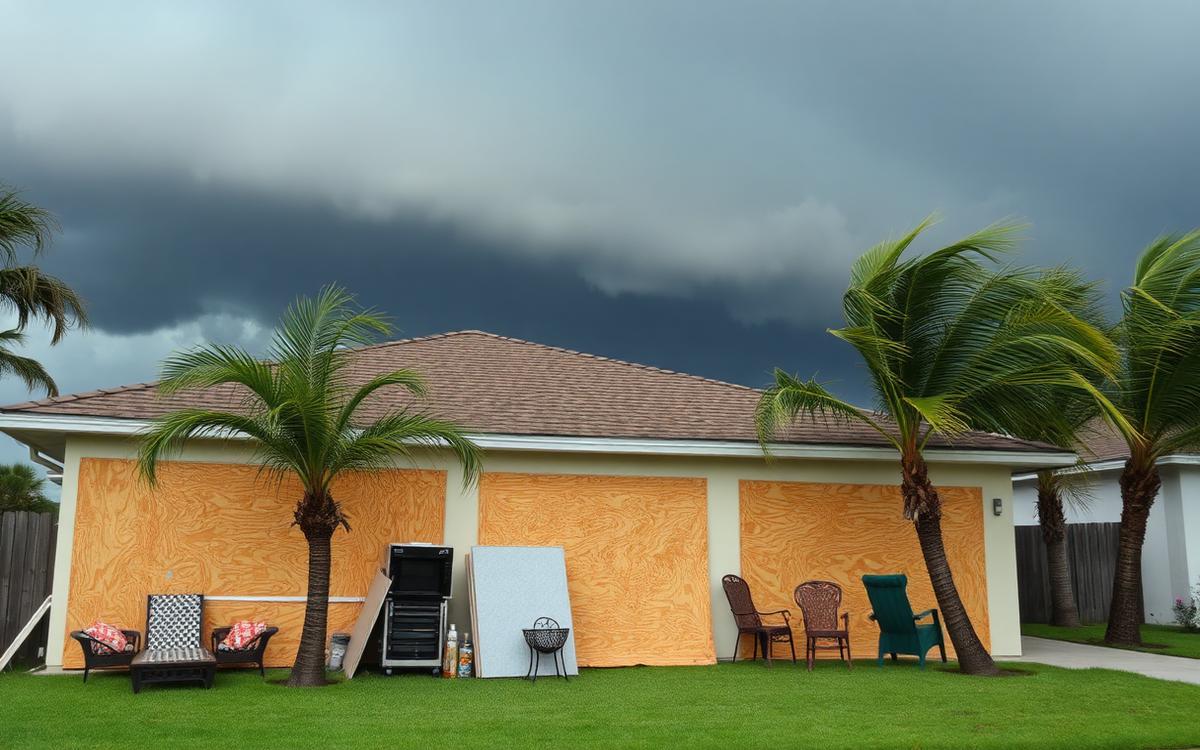
- Measure windows and doors and buy shutter panels or cut plywood in advance, labelling each panel for the opening it fits.
The Supply Kit, Sized Properly
| Item | Amount | Note |
|---|---|---|
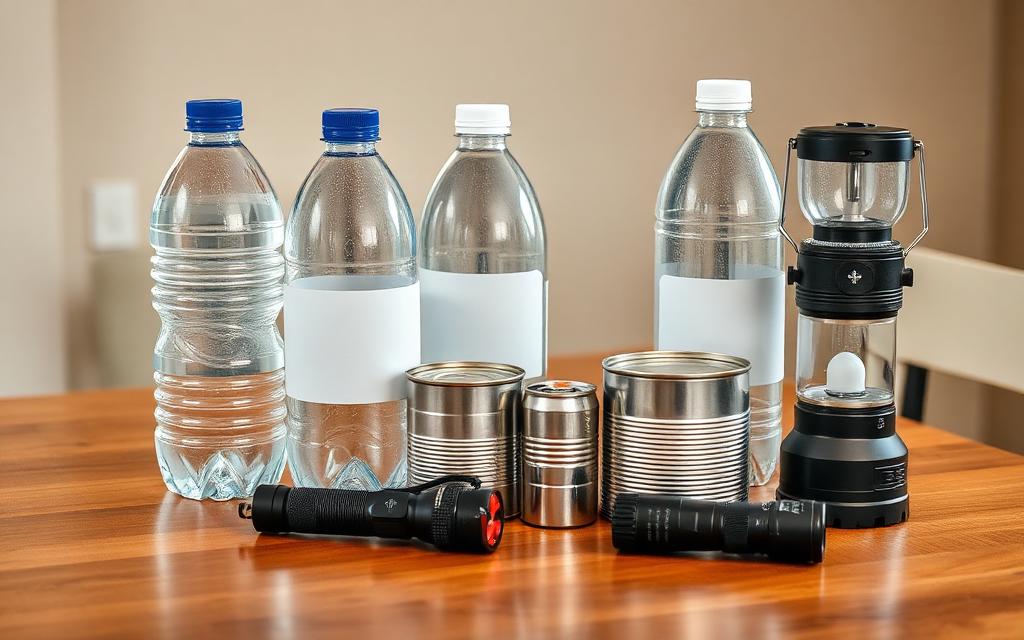
| Water | One gallon per person per day, at least three days | Include pets, and aim for a week if you can store it |
| Non-perishable food | Three to seven days | Food that needs no cooking or water |
| Prescription medication | Two weeks where possible | Ask about an early refill in advance |
| Flashlights and batteries | One per person plus spares | Candles are a fire risk, avoid them |
| Battery or hand crank radio | One per household | The one channel that works when networks fail |
| Power banks | Charged before the storm | Include a car charger |
| Cash in small bills | Enough for several days | Card terminals fail without power |
| First aid kit | One stocked kit | Include any specific supplies you rely on |
The 48 Hour Checklist
- Fill the car with fuel and keep it above half a tank from here on.
- Fill bathtubs and spare containers with water for washing and flushing.
- Turn refrigerator and freezer to the coldest setting and freeze water bottles to fill empty space.
- Bring in every loose outdoor item: furniture, grills, bins, plant pots, toys and anything else the wind can throw.
- Install shutters or plywood over windows. Taping glass does nothing useful and creates larger shards.
- Charge every phone, laptop, power bank and battery-powered tool.
- Move valuables and documents upstairs or into waterproof containers.
- Withdraw cash while ATMs are still working.
- Refill prescriptions if you have not already.
Documents and Digital Preparation
Scan or photograph identification, insurance policies, deeds, vehicle titles, medical records and prescription lists, then store them in cloud storage and on a password-protected drive you can carry.
Keep a printed page with policy numbers, claim phone numbers and emergency contacts, because a dead phone makes a beautifully organised cloud folder useless. Write down an out-of-area contact everyone in the family can call, since long distance lines sometimes work when local ones are saturated.
Generators, Safely
Portable generators cause deaths every hurricane season, almost always from carbon monoxide. Run a generator outdoors only, at least 20 feet from the house, away from windows, doors and vents, and never in a garage even with the door open.
Install battery-powered carbon monoxide alarms inside the house before you need them. Never plug a generator into a wall outlet, which back-feeds the grid and can kill line workers, and store fuel safely away from living areas.
If You Are Told to Evacuate
Go early. Evacuation orders are based on storm surge risk, which is the leading cause of hurricane deaths, and roads gridlock quickly once everyone leaves at once.
Take medication, documents, chargers, pet supplies and cash. Turn off gas, water and electricity at the main if instructed by local officials, lock up and leave a note of where you are going with an out-of-area contact.
Do not drive through flooded roads under any circumstances. A relatively small depth of moving water floats a vehicle, and the road underneath may no longer exist.
The Bottom Line
The work that matters most happens weeks ahead: trees, gutters, roof, photographs, insurance and knowing your zone. When a storm is coming, you are only topping up water, fuel, food, medication and batteries, then closing the shutters.
If officials say evacuate, leave early and take the documents with you.
Frequently Asked Questions
When is hurricane season at its peak?
Atlantic activity concentrates from late August through October, within the official June to November season.
How much water should I store?
At least one gallon per person per day for three days, and a week's supply if you have the space, including pets.
Does taping windows help?
No. It does not prevent breakage and produces larger, more dangerous shards. Use shutters or plywood.
Is flood damage covered by home insurance?
Usually not. Flood cover is typically a separate policy with a waiting period, so it must be arranged well before a storm.
Where can a generator be run safely?
Outdoors only, well away from windows, doors and vents, and never inside a garage or enclosed space.
Should I evacuate if told to?
Yes, and leave early. Evacuation orders are based on storm surge risk, which causes the most hurricane deaths.