Quick Answer
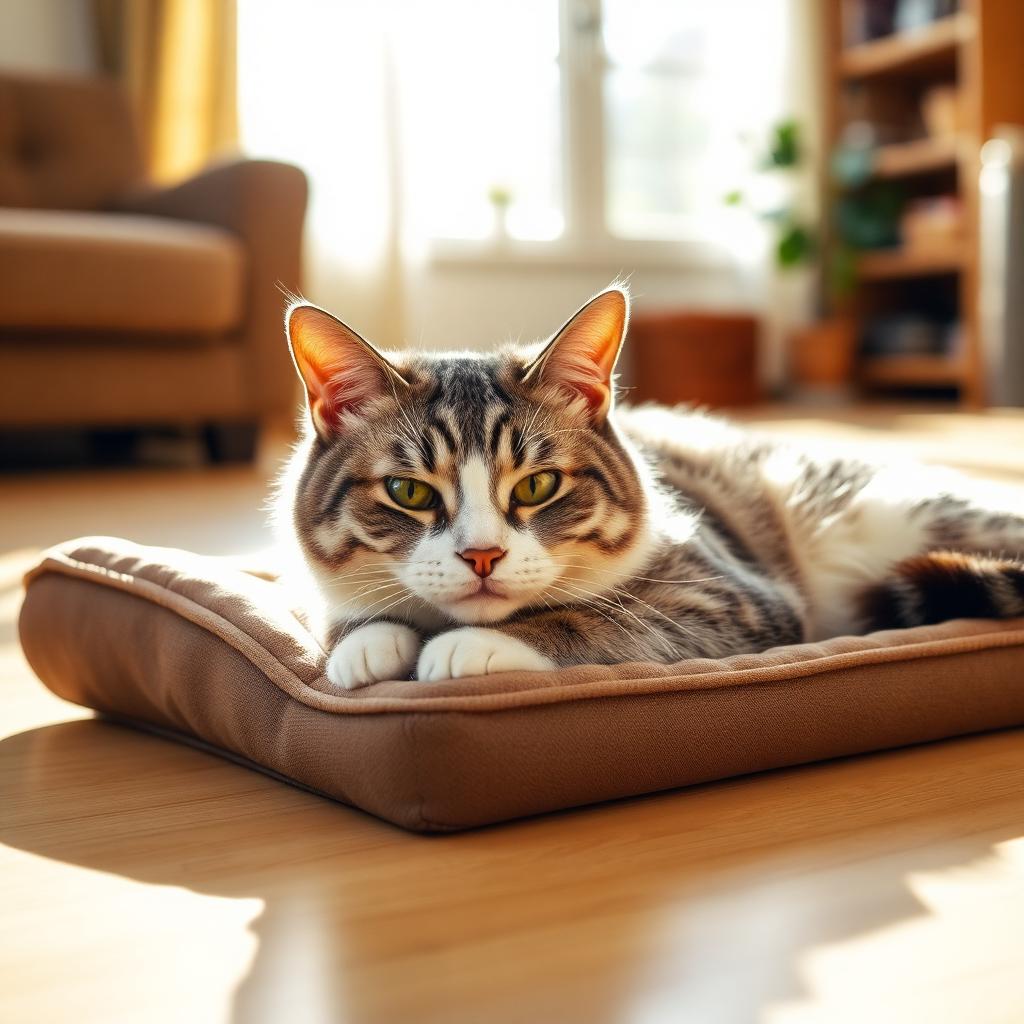
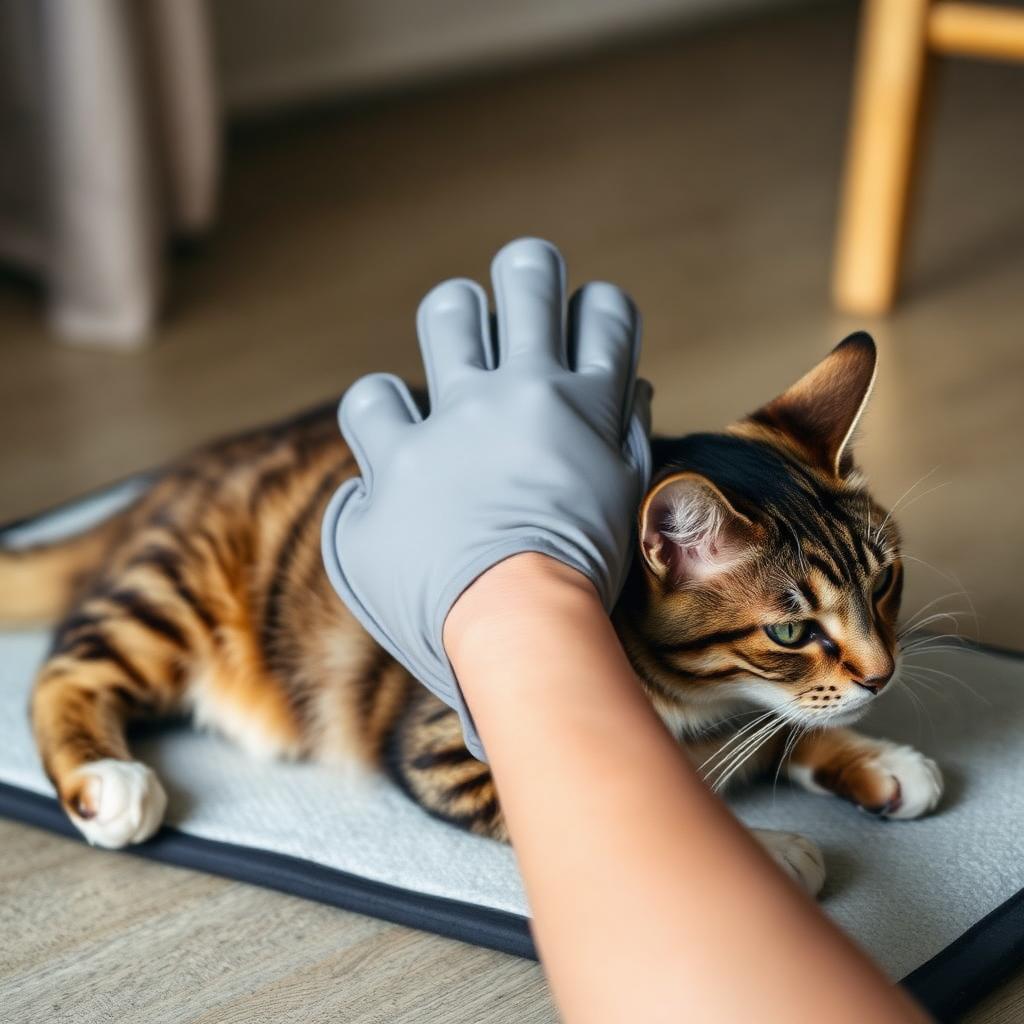
To groom a senior cat with arthritis, use short 3 to 5 minute sessions on a warm orthopedic pad, keep the cat's paws resting naturally under their body instead of pulling limbs outward, swap stiff slickers for a soft rubber grooming mitt, comb the lower back and hips with a wide-tooth steel comb held at a shallow angle, and clean sanitary zones with waterless foam instead of stressful full baths.
Comfort beats coverage. A ten-minute perfect groom you can never repeat is worse than a three-minute gentle groom you can do daily.
Why senior cats stop grooming themselves
By the time a cat is 12 years old, more than 90 percent of them show osteoarthritis on x-ray, most commonly in the hips, elbows, spine, and knees. Cats hide pain aggressively, so you rarely see limping. Instead you notice grooming changes: dander flakes along the lower back, a greasy patch above the tail, matted hair on the hips, or a scruffy, unkempt coat where their fur used to be sleek.
The cat has not become lazy. Bending sideways to reach the hips actually hurts, so they skip it. Your job as their groomer is to do what those hips can no longer let them do.
Tools that respect aging joints
- Ultra-soft rubber grooming mitt. Flexible silicone or rubber nubs that lift loose hair and dander without pressing into stiff joints.
- Wide-toothed stainless steel comb. Long teeth held at a shallow angle scoop up loose undercoat without dragging.
- Waterless feline cleansing foam. Cleans the greasy lower back without the stress of a bath.
- Orthopedic memory foam mat. Non-negotiable. Cold hard counters make arthritic joints seize.
- Warm room and low light. Cats hold tension in a cold, brightly lit room. Warm and dim is calm.
Tools and habits to skip
- Stiff wire slicker brushes with hard pins. The pressure needed to use them hurts arthritic backs.
- High-velocity dryers. The vibration and noise are stressful for senior cats.
- Long baths. Wet, cold, and physically demanding.
- Pulling a paw outward to trim a claw. Support the paw where it already rests.
- Grooming sessions over 5 minutes. Break the work into two or three short blocks per day.
Step by step: senior cat groom session
- Warm the mat. A thick orthopedic pad on a stable surface. If the counter is cold, run a heat pad under a folded towel for a minute first.
- Massage warm-up. One minute of gentle stroking with the palm of your hand along the spine and shoulders. Warms muscles and reads mood.
- Rubber mitt pass. Slip on the grooming mitt. Long, slow strokes in the direction of hair growth from shoulders to hips.
- Wide comb the hips and lower back. Hold the comb at 20 to 30 degrees, not 90. Scoop out loose undercoat without dragging.
- Support the limb where it rests. When trimming claws, lift only enough to expose the pad. Do not extend the leg.
- Sanitary spot clean. A pump of waterless foam on a soft cloth cleans the greasy lower back and groin.
- Reward and stop. Five minutes maximum. Treat, cuddle, done.
Managing common senior grooming problems
- Greasy lower back and tail base. Reduced self-grooming plus overactive sebaceous glands. Use waterless foam twice a week; wipe with a chlorhexidine wipe if the fur clumps.
- Dander and flaking along the spine. Add a fatty-acid supplement (omega-3 fish oil) after checking with your vet. Increase brushing frequency.
- Mats on the hips. Never scissor-cut mats on a senior. Skin is thin and elastic. Use a mat splitter with a safety guard or book a professional shave.
- Overgrown claws. Senior cats scratch less and their nails do not shed old sheaths. Check every 2 weeks; nails can grow into the pad.
- Litter caught in leg fur. Trim (do not shave) the "britches" fur around the back legs so debris slides off.
How often to groom a senior cat
- Daily. Two-minute rubber mitt pass. Doubles as a wellness check for lumps and skin changes.
- Every 2 to 3 days. Wide-comb the hips and lower back.
- Every 2 weeks. Nail check. Trim only what has grown past the pad line.
- Every 4 to 6 weeks. Waterless foam bath. Full wet baths only if the vet asks for one.
Signs that need a vet, not more grooming
- Sudden refusal to be touched anywhere on the back or hips.
- Yowling when you lift under the belly.
- New mats over an area that used to be smooth (often points at hidden pain).
- Rapid weight loss with a suddenly greasy coat.
- Excessive licking of one spot to the point of a bald patch.
Grooming can highlight pain, but it cannot fix it. Arthritis, dental disease, and kidney disease all show up first as coat changes in senior cats. A vet check every 6 months for cats over 10 is a good baseline.
Common mistakes
- Grooming for 20 minutes at once because "we did not finish."
- Using a stiff slicker on a spine that flinches.
- Pulling a leg outward to reach the inside.
- Skipping the sanitary spot clean because "the cat used to do it themselves."
- Bathing a stiff, painful senior cat instead of using waterless foam.
Bottom line
A senior cat with arthritis wants short, warm, low-pressure grooming sessions. Soft rubber mitts, wide-tooth combs, waterless foam, and an orthopedic mat replace stiff slickers and full baths. Keep sessions under five minutes, support paws where they already rest, and read new mats or greasy patches as pain messages worth a vet call. Gentle daily contact keeps their coat healthy and doubles as an early warning system for the rest of their body.