Quick Answer
Groom Cocker Spaniel ears by brushing the feathering with a pin brush before every meal, cleaning the outer flap weekly with a canine otic solution, thinning the underside coat every 3 weeks with thinning shears, and never plucking hair from the ear canal at home. Long-haired heavy ear flaps are the reason Cockers are prone to yeast and bacterial otitis, so this routine is medical, not just cosmetic.
Why Cocker ears are high maintenance
Two facts about the Cocker Spaniel ear canal drive everything about their care:
- The canal is L-shaped and deep. A vertical section drops down before turning inward. That trap keeps moisture and debris.
- Heavy hair-covered pinnae (ear flaps). They seal the canal from air, creating a warm humid pocket. This is exactly what yeast and bacteria need.
Studies from the American College of Veterinary Dermatology consistently list Cocker Spaniels among the top three breeds most prone to chronic otitis externa.
Feathering: what and where
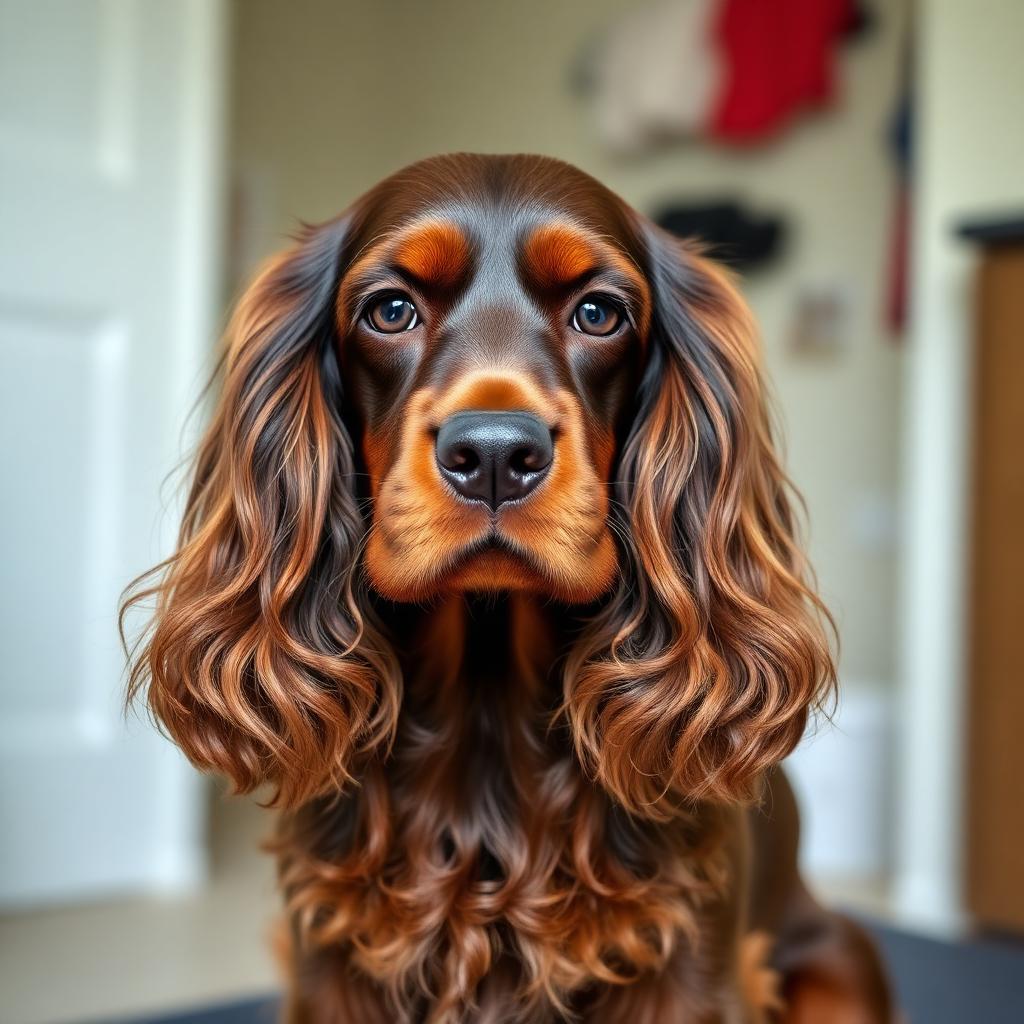
Cocker ear feathering is the long silky coat that hangs from the outside of the ear flap. It mats first at the base near the head and at the tip where the ear brushes against the ground.
- Pin-brush the outer feathering daily.
- Comb through with a wide-tooth comb after brushing to catch snags.
- Watch the tip: burrs, seeds, and dried food catch here from bowl feeding.
The pre-meal ear-clip trick
Bowl-fed Cockers drag their ears through food and water twice a day. The single simplest habit that keeps feathering clean is a soft cotton snood or ear-clip that holds both ears back off the face during meals. Slip it on at feeding, remove after. This prevents 90 percent of food-crusted mats at the ear tip.
Weekly ear cleaning
Use a veterinary-approved canine ear cleaner (Epi-Otic, Zymox, or similar). Never use hydrogen peroxide, alcohol, or vinegar; they strip the natural cerumen barrier.
- Lift the ear flap upward.
- Squeeze cleaner into the canal until it starts to overflow. Yes, you want a lot.
- Massage the base of the ear for 20 to 30 seconds. You should hear a squelching sound; that is the cleaner breaking up wax.
- Let the dog shake. Debris flies out of the canal onto the ear flap.
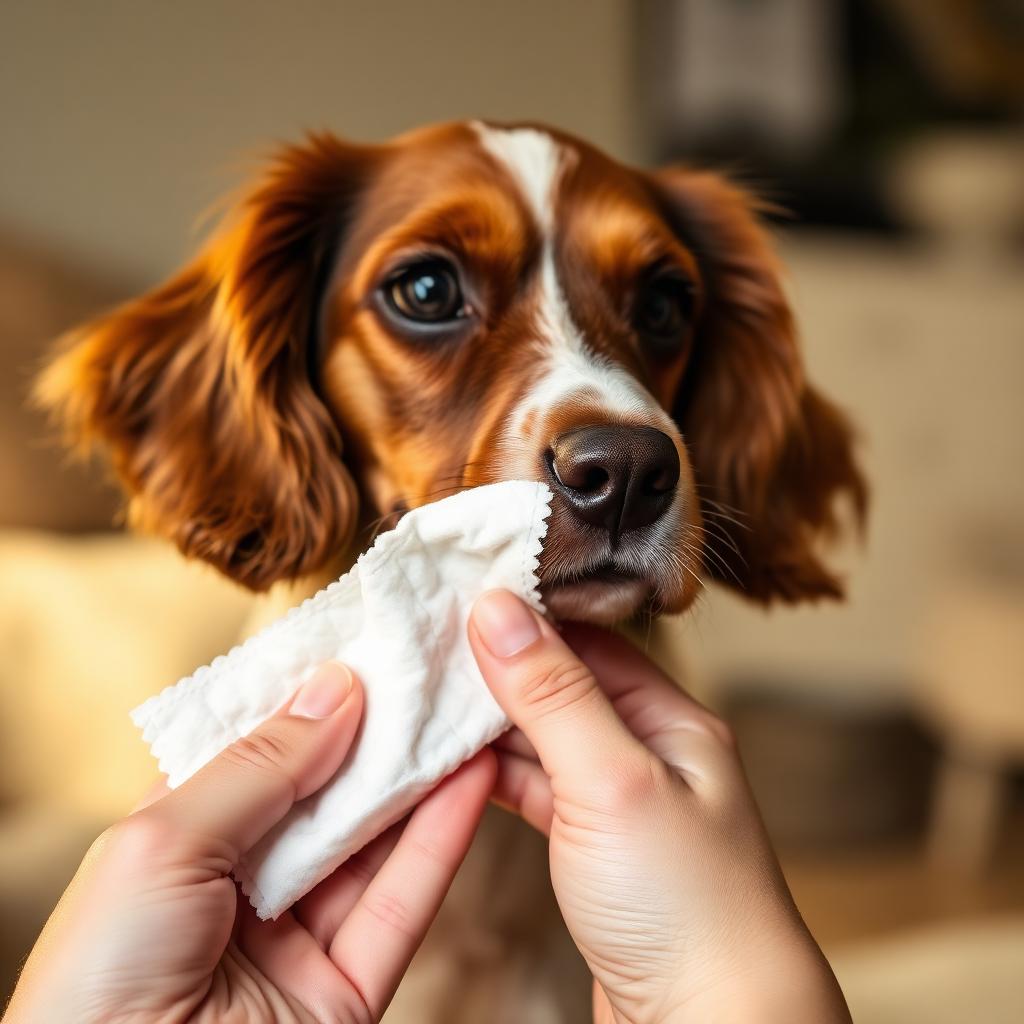
- Wipe the visible inside of the flap with a cotton pad or gauze. Never push cotton down into the canal.
Thinning the underside coat
Every 3 weeks, thinning shears on the underside of the ear flap (the part that faces the head) improve airflow into the canal. Cut with the flow of hair, small snips, thin only, do not remove all coat. This alone dramatically reduces recurrent yeast.
What about plucking the canal?
Old-school groomers pluck coarse hair from inside the ear canal. Modern veterinary consensus is: do not pluck hair at home. Plucking creates microtrauma to the canal wall, which then invites infection. If your vet identifies hair as an obstruction, they can pluck under sedation.
Signs of an ear infection (see the vet, not the groomer)
- Head shaking or repeated ear scratching.
- Foul or yeasty smell from the canal.
- Brown, black, or yellow discharge.
- Redness or heat inside the flap.
- Pain when the base of the ear is touched.
Do not clean an actively infected ear at home. The cleaner will sting an already inflamed canal and your dog will refuse the next attempt. Book the vet.
Common mistakes
- Cleaning daily. Once a week is right for most Cockers. Daily strips the protective wax layer and worsens infections.
- Cotton swabs in the canal. They push debris deeper and can rupture the eardrum. Never use them.
- Skipping the ear-flap thinning. If you never thin, the pinna stays airtight and infections cycle.
- Bathing without drying the ear. After baths, gently pat the inside of the flap dry and let the canal air out for an hour before letting the ear fall closed.
The full Cocker ear routine
- Daily: pin-brush feathering, snood at mealtimes.
- Weekly: canine ear cleaner flush.
- Every 3 weeks: thinning shears under the flap.
- Every 6 to 8 weeks: full salon groom that includes ear tidy.
- As needed: vet visit for any infection sign.
Bottom line
Cocker Spaniel ears are high maintenance for a reason: a long L-shaped canal covered by a heavy hairy flap. Daily feathering care, a mealtime snood, a weekly canine ear flush, and 3-weekly thinning under the flap will keep the ears clean and prevent the chronic infections this breed is prone to. Never pluck, never use swabs, and never clean an infected ear at home.