Quick Answer
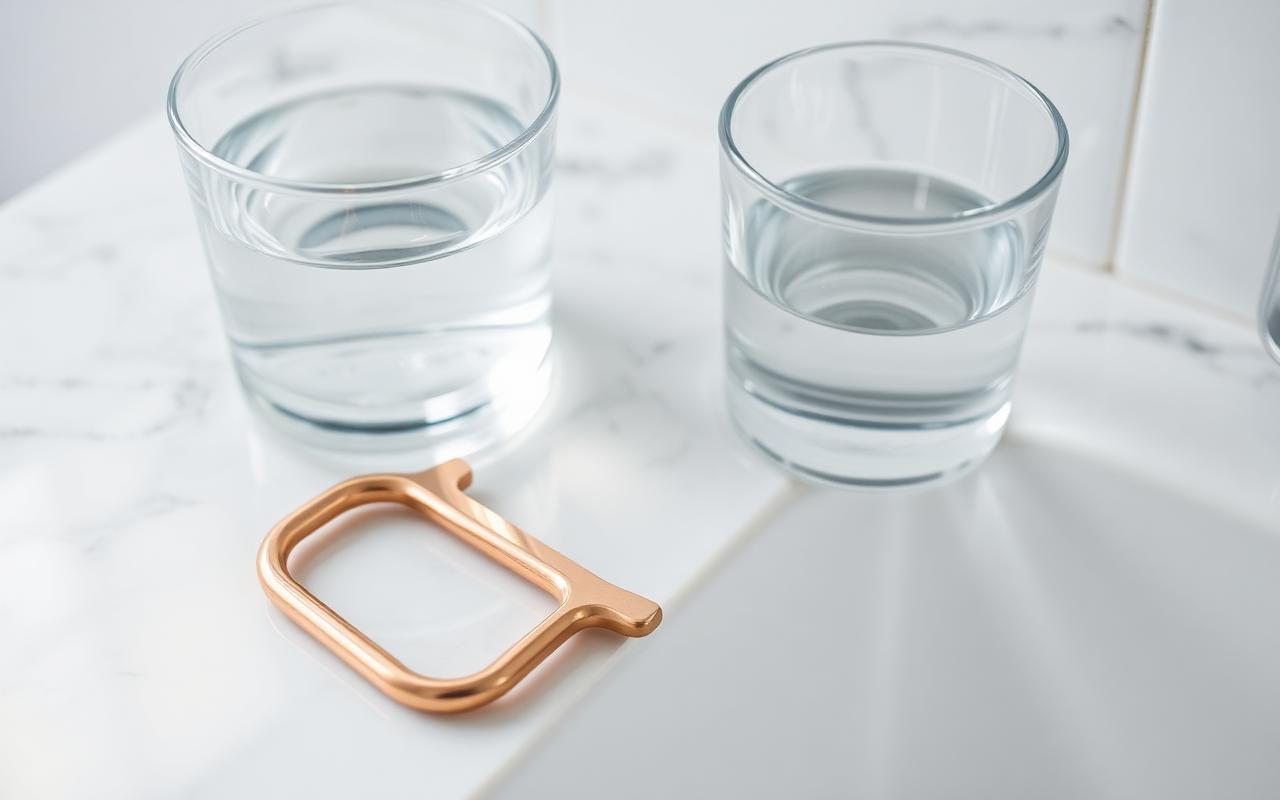
The best tongue scraper for oral hygiene is a single-piece U-shaped tool made from either surgical stainless steel or pure medical-grade copper, with a smooth polished edge. DrTung Tongue Cleaner (stainless), MasterMedi Tongue Scrapers 2-pack (stainless), and CopperTongue Ayurvedic Cleaner are the three brands owners restock over the years.
Roughly 80 to 90 percent of bad breath (halitosis) originates on the back of the tongue, not the teeth. A metal scraper clears the anaerobic bacterial coating that toothbrushes only smear around, giving instantly fresher breath.
Why brushing your tongue does not fix bad breath
The tongue surface is covered in thousands of tiny protrusions called papillae. Anaerobic bacteria (bacteria that thrive without oxygen) live between these bumps and feed on food particles and dead cells. Their byproducts are volatile sulfur compounds: hydrogen sulfide, methyl mercaptan, and dimethyl sulfide. Those are the specific molecules that make morning breath and chronic halitosis smell the way they do.
A toothbrush's soft nylon bristles push this coating between the papillae rather than lifting it out. A flat metal scraping edge pulled across the surface removes it in a single pass, which is why the effect on breath is immediate.
Stainless steel vs pure copper
Surgical stainless steel
Rust-proof, non-porous, easy to sanitize under hot water or in the dishwasher, and lasts for years. Neutral in taste. The choice most modern dentists recommend for daily use.
Pure medical copper
The traditional Ayurvedic material. Copper is naturally antimicrobial (the "oligodynamic effect"), which reduces bacterial growth on the tool itself between uses. Develops a dark oxidized patina over time that wipes off with lemon juice or vinegar. Some users report a very faint metallic aftertaste, which fades within a minute.
What to avoid
Plastic scrapers with flexing blades and integrated bristle rows. The flex means they cannot maintain even pressure, and the plastic surface is porous and hard to clean.
Correct daily technique
- First thing in the morning, before eating, drinking, or brushing. Bacterial coating is at its thickest overnight.
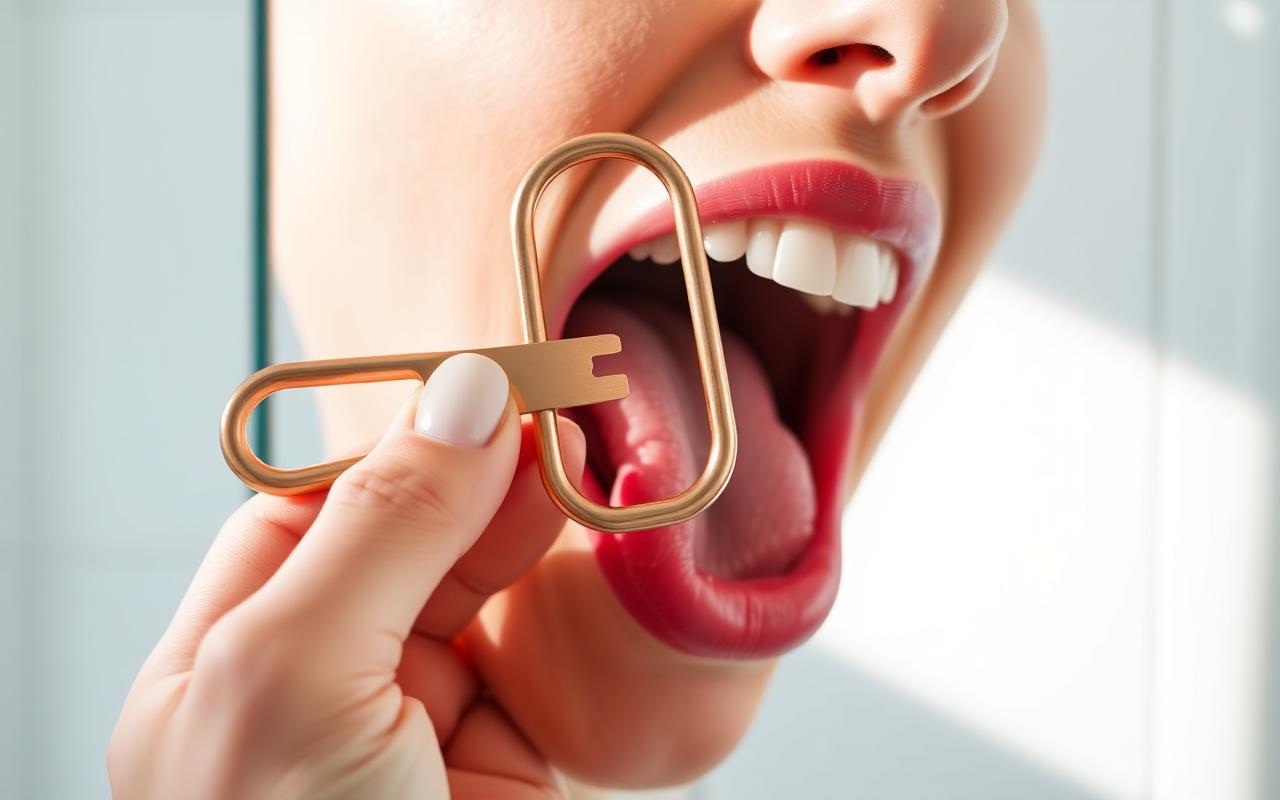
- Stand in front of a mirror, open wide, and extend your tongue.
- Place the curved edge as far back as comfortable without triggering your gag reflex. Position matters: the back third of the tongue holds most of the bacteria.
- Pull forward in one steady motion. Light to moderate pressure only. Do not saw back and forth; a single clean pull collects the coating.
- Rinse the scraper and repeat 3 to 5 times until the blade comes back clean.
- Rinse your mouth with plain water, then brush and floss normally.
Cleaning and care
- Rinse under hot running water immediately after each use.
- Wipe dry with a clean towel and store it standing up in a ventilated spot; do not seal it wet in a case.
- Weekly deep-clean: boil stainless steel for 5 minutes or rub copper with half a lemon and salt to remove patina.
- Replace stainless every 3 to 5 years, copper every 6 to 12 months as the patina and any pitting build up.
Common mistakes
- Gagging by starting too far back on day one. Start mid-tongue and inch further back as your reflex adapts.
- Pressing too hard. Steady light pressure is enough. Excess pressure can cause tiny cuts and taste changes.
- Skipping the morning window. Scraping before rinsing removes the concentrated overnight coating; scraping after breakfast is less effective.
- Sharing a scraper. Never share. Same rule as toothbrushes.
Bottom line
Pick a single-piece U-shaped stainless steel or pure copper scraper, use it every morning before you eat or drink, and pull from back to front in 3 to 5 clean passes. Bad breath drops noticeably from the first use, and long-term you support cleaner taste, better oral pH, and fewer cavities.