Quick Answer
The best sonic toothbrush uses a high-frequency vibrating head at around 31,000 brush strokes per minute, a two-minute quadrant timer that pauses every 30 seconds, a real pressure sensor that lights up when you push too hard, and swappable brush heads that last three months. Multiple modes cover daily clean, sensitive, whitening, and gum care.
Manual brushes work if the technique is perfect. Sonic brushes work regardless of technique, which is why they win in real life.
Sonic vs oscillating vs manual, briefly
Manual brushing depends on you scrubbing correctly for 120 seconds. Studies consistently show most adults miss the gumline, angle wrong, and stop after 45 seconds. Oscillating-rotating brushes (Oral-B style) work with a fast circular motion. Sonic brushes (Philips-style) vibrate a tapered head laterally at very high frequency, and the vibration creates fluid dynamics in the saliva that clean areas the bristles never actually touch. Both electric styles beat manual; sonic is the gentler feel and matches most people.
The single feature that separates a good sonic brush from a bad one is the pressure sensor. Real-time feedback stops the recession that hard-brushers cause without knowing.
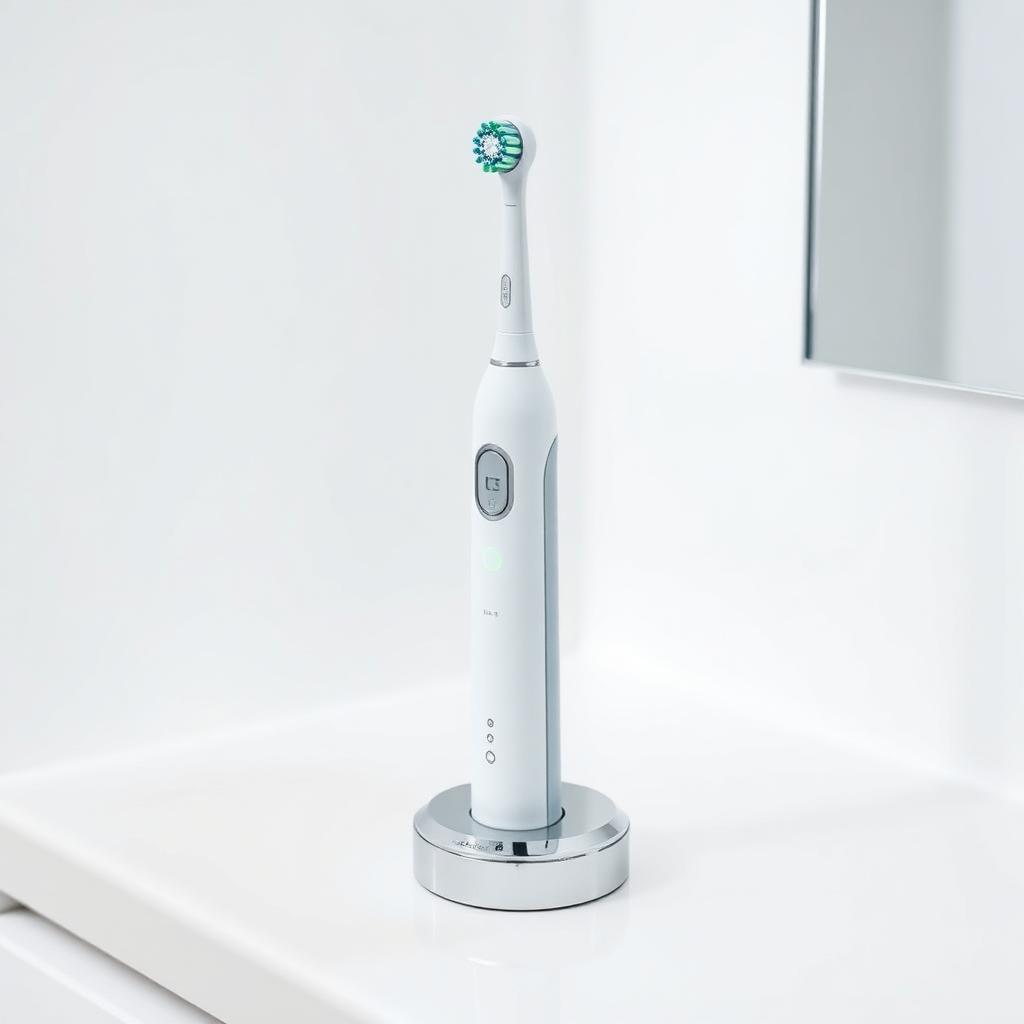
What a good sonic toothbrush looks like
- ~31,000 brush strokes per minute. The industry standard for sonic effectiveness.
- Two-minute timer with 30-second quadrant pulses. Guides even coverage.
- Real pressure sensor. Lights up or shuts down when you press too hard.
- Multiple modes. Daily, sensitive, gum care, whitening.
- Replaceable brush head system. Every 3 months.
- Two-week battery life on a single charge. Anything shorter is inconvenient.
Step by step: brushing correctly
- Wet the brush head and add a pea of fluoride toothpaste. Not a whole strip.
- Turn on before it touches the teeth; press it against the outer gumline first.
- Hold at 45 degrees to the gumline. Bristles should touch tooth and gum equally.
- Guide slowly, tooth by tooth. Let the vibration clean; do not scrub back and forth.
- Move to a new tooth every 3 seconds. Timer beeps every 30 seconds to signal quadrant change.
- Cover outer, inner, chewing surface of each tooth. The tongue-side gets missed most.
- Spit; do not rinse aggressively. A little residual fluoride film is a feature.
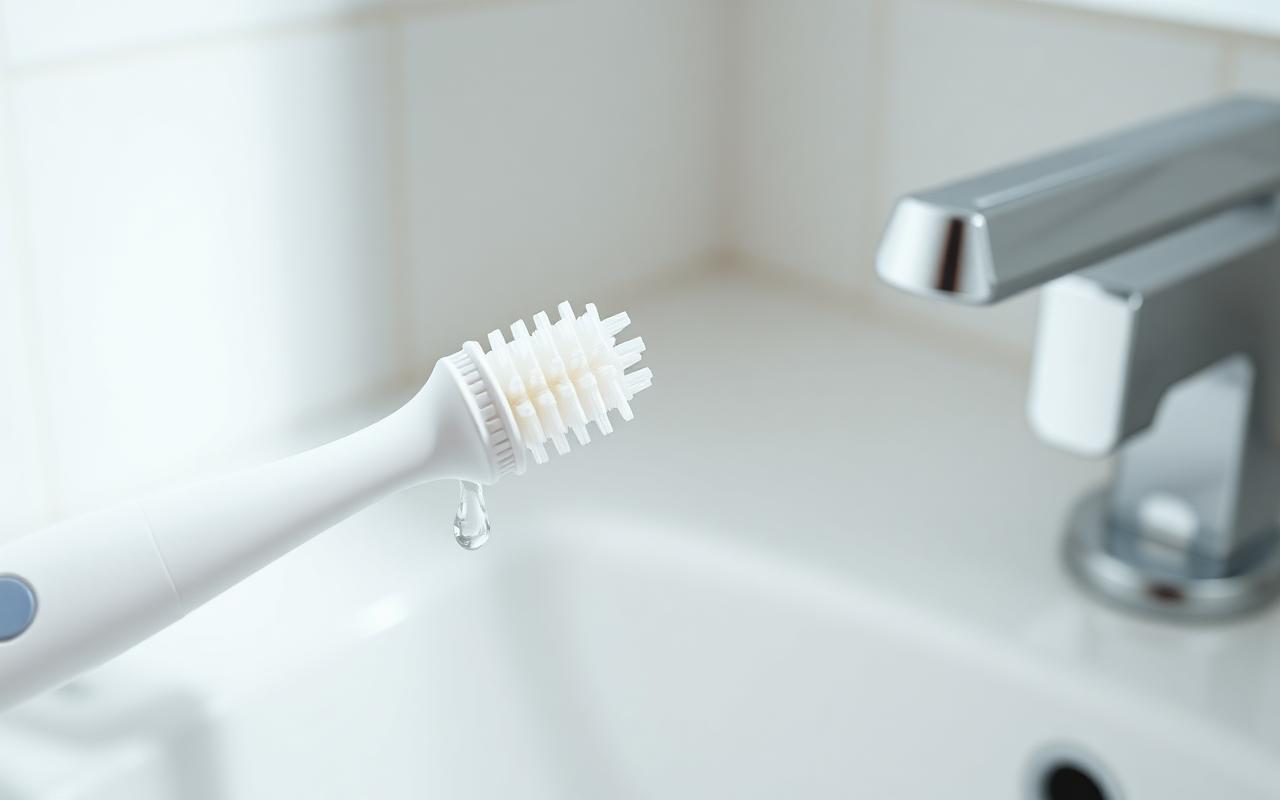
- Rinse the brush head and stand it upright to air-dry.
How to match the brush to your teeth
- Sensitive teeth or receding gums: sensitive mode + soft head; pressure sensor mandatory.
- Coffee, wine, or tea stains: whitening mode with a polishing head twice a week.
- Gum inflammation: gum-care mode; slower vibration around the sulcus.
- Braces or orthodontic wire: orthodontic-cut brush head; sonic beats manual around brackets.
Common mistakes
- Scrubbing with the brush. Defeats the sonic mechanism and abrades enamel.
- Pressing hard. Recession, wear, and sensitivity all trace back to pressure.
- Using the same head for a year. Frayed bristles clean nothing.
- Rinsing heavily right after. Washes the last of the fluoride off the enamel.
- Skipping the tongue and the inner surfaces. Bacteria live there most.
Care and product life
Rinse the brush head under running water after every use and store it upright to air-dry. Wet heads in closed drawers grow mildew. Replace the head every 3 months, or sooner if the bristles splay. Charge the handle fully once every two weeks; do not park a lithium handle on the charger 24/7 for years, as it slowly reduces battery capacity. A quality sonic handle lasts 4 to 6 years before the battery fades noticeably.
Bottom line
31,000 strokes per minute, two-minute timer, real pressure sensor, and a fresh head every three months. Hold at 45 degrees, glide slowly, spit but do not rinse. The technique is easier than the manual version, and the plaque-score improvement shows up at your next dental cleaning.