Quick Answer
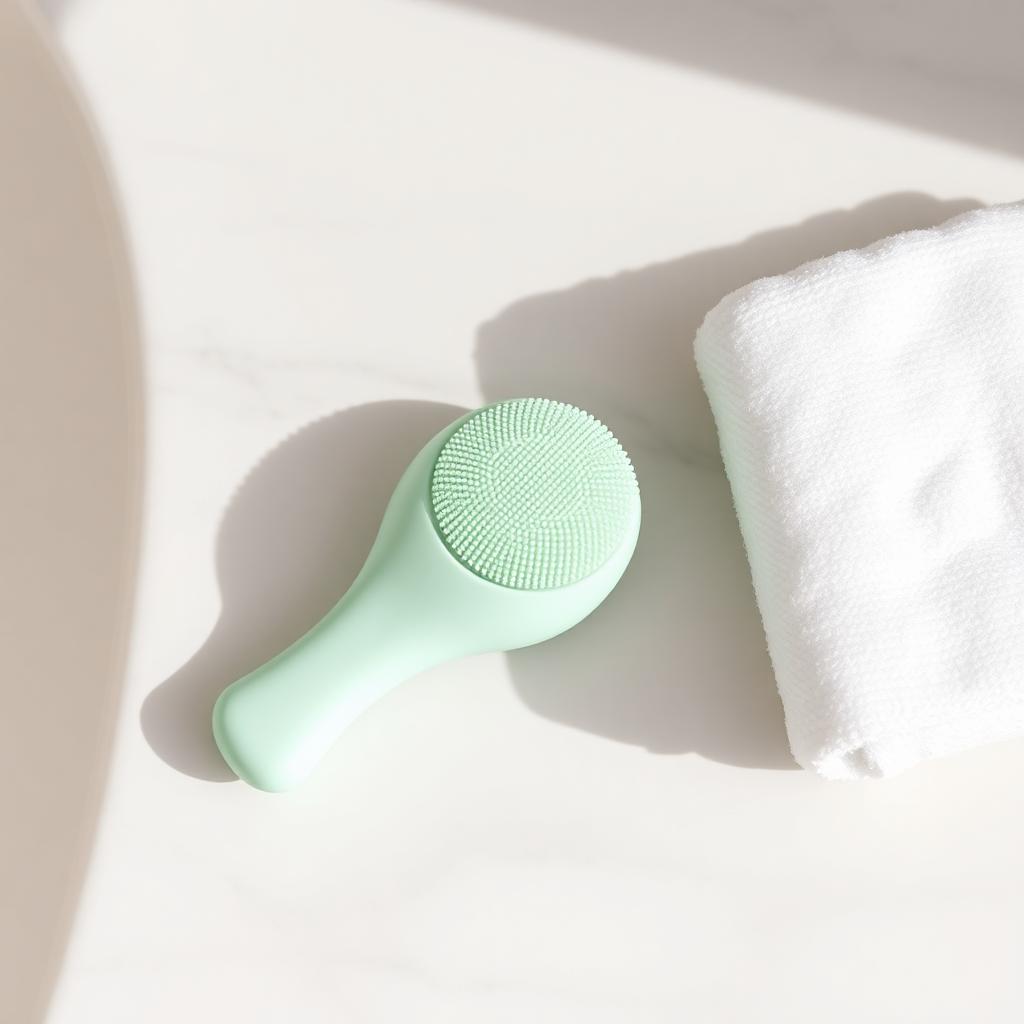
The best sonic face cleansing brush is a non-porous medical-grade silicone head with graduated bristle zones, up to about 8,000 pulsations per minute, and a rechargeable IPX7 waterproof body. It loosens pore residue with vibration, not friction.
The older nylon-bristle spinning brushes were a moment. Silicone is easier to keep clean, kinder to the skin barrier, and does the same job with less drama.
Why washing with your hands alone falls short
Hands do a reasonable job at surface cleaning. What they cannot do is dislodge the fine film of oxidized sebum, sunscreen residue, and pollution that settles into pore openings. Left alone, that film clumps into congestion (the classic tiny bumps along the forehead and jawline).
A brush provides mechanical assistance. Old-school nylon did it by dragging stiff fibers across skin. Sonic silicone does it by vibrating the cleanser into the pore mouth and shaking the residue out.

Silicone vs nylon: why silicone wins
- Non-porous. Bacteria do not colonize silicone the way they nest inside nylon.
- Dries in minutes. Damp nylon is a mildew farm.
- Softer on the skin. Silicone touchpoints flex; nylon does not.
- No replacement heads for years. A single silicone head lasts 12 to 24 months.
What a good sonic brush looks like
- Medical-grade silicone body. One-piece molded, no seams.
- Graduated bristle zones. Softer tips for cheeks, firmer for T-zone.
- 8,000 to 12,000 pulsations per minute. Anywhere in that band is effective.
- Multi-speed dial. Low for sensitive days, high for full congestion clear-outs.
- IPX7 waterproof. You will use it in the shower.
- USB or wireless charging. Battery life should be 60+ days per charge.
Step by step: a one-minute cleansing routine
- Wet the face. Warm water, not hot.
- Dispense a nickel of cleanser into your palm. A gentle hydrating or foaming formula.
- Massage cleanser onto the face first. Then apply the brush.
- Move in slow circles. 15 seconds forehead, 15 seconds each cheek, 15 seconds nose and chin.
- Never press. Let the pulses do the work.
- Rinse with cool water. Pat dry, follow with serum and moisturizer.
- Rinse the brush head. Shake off water; store upright.
How often should you use it
- Oily and congested skin: once daily in the evening.
- Normal or combination skin: every second day.
- Dry, thin, or reactive skin: two or three times a week.
- Active breakout areas or open cystic acne: skip those zones entirely until they calm.
Common mistakes
- Pressing hard. Pulsations do the work; pressure just flushes the skin.
- Using with harsh acid cleansers. Layered actives plus vibration is too much.
- Skipping the massage-in step. Cleanser on skin first, brush second.
- Storing the brush wet in a drawer. Even silicone likes air.
- Sharing with a partner. Skin flora is personal.
Care and battery
Rinse the head under running water after each use, then let it air dry. Once a week, wipe the body with a soft cloth and a drop of gentle soap. Charge to full about once a month; most silicone sonic brushes hold weeks per charge. Replace the head only when the silicone tips start to stiffen or discolor, which is usually a year or more.
Bottom line
A silicone sonic brush with graduated bristle zones and 8,000+ pulses per minute is the calmest way to add mechanical cleansing to your routine. Cleanser on skin first, slow circles, no pressure, rinse well. Save the old nylon brush heads for cleaning the sink drain.