Quick Answer
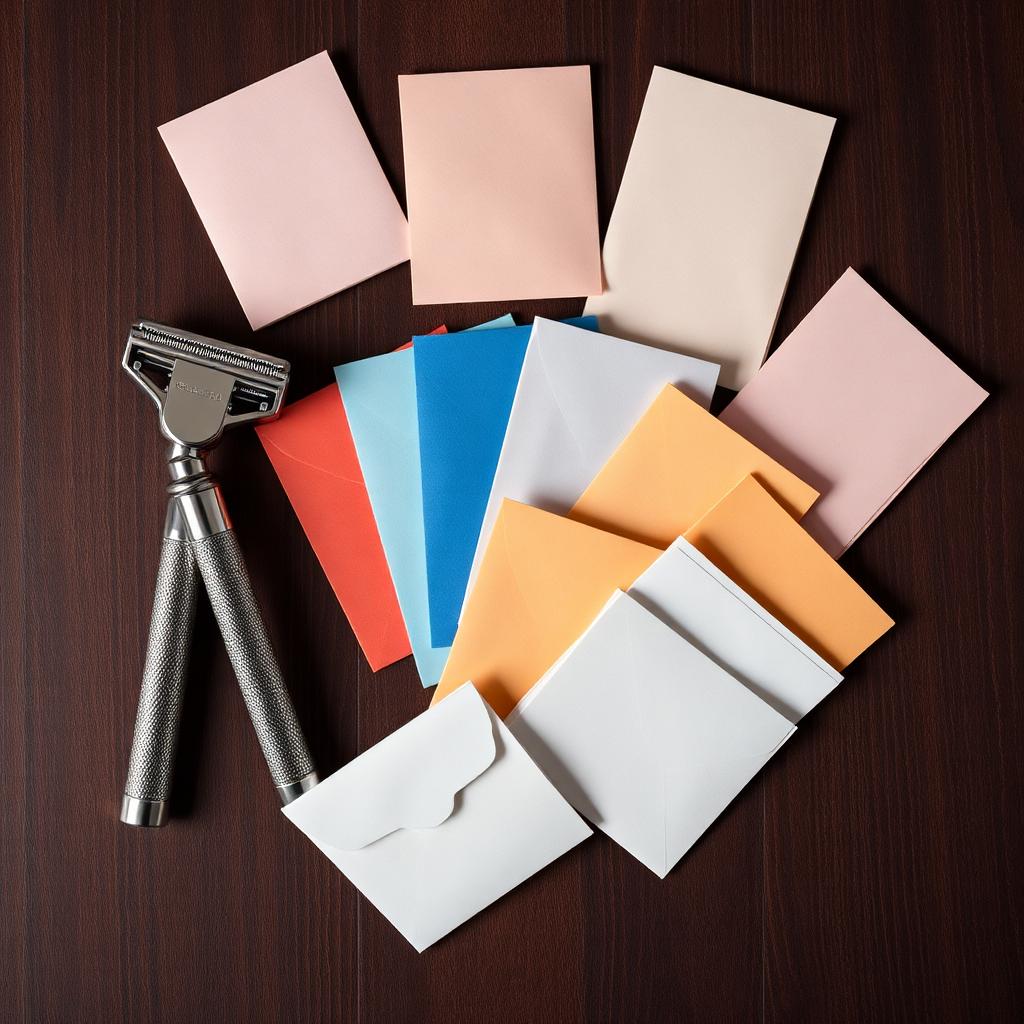
The best safety razor blade sampler pack contains 5 to 10 different double-edge brands from Sweden, Germany, Russia, Japan, and Turkey, ranging from mild coated to aggressive laser-honed. The point is testing: your face and beard tell you which one wins.
Buying 100 of one blade before you know which one suits your beard is the single most common mistake new safety razor shavers make. Sampler packs solve it for under 20 dollars.
Why blades feel so different from each other
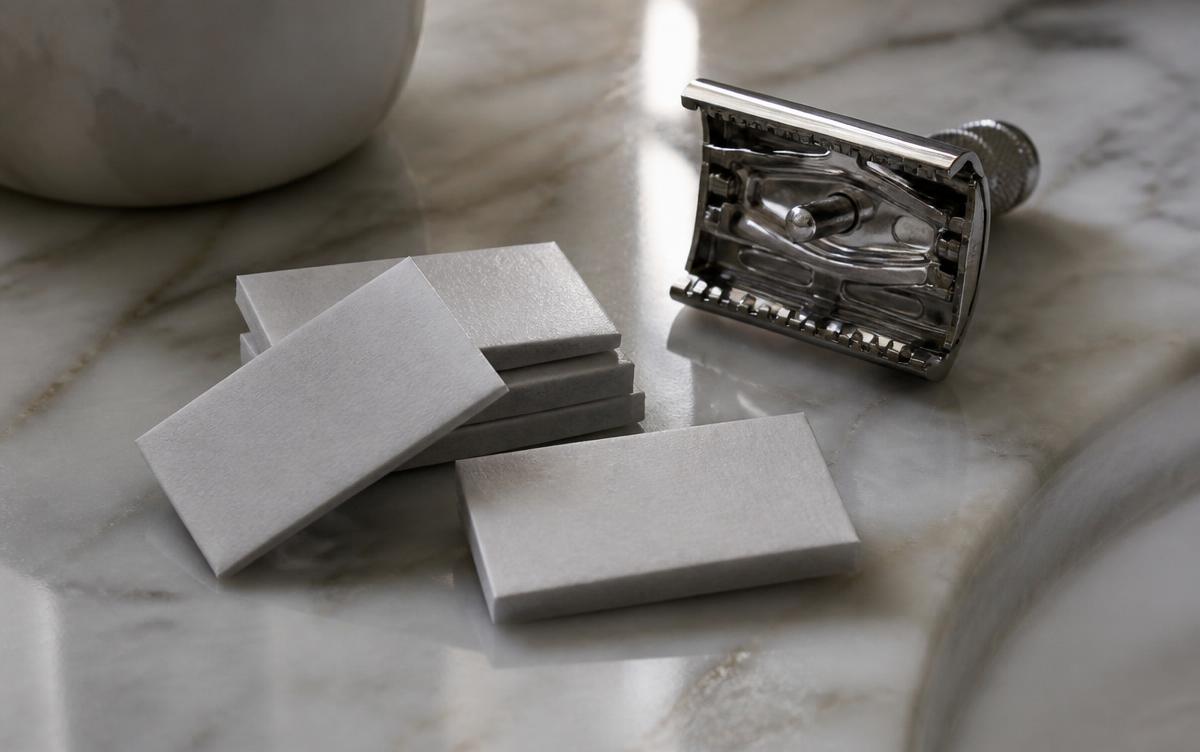
Every manufacturer grinds the cutting edge to a slightly different geometry, then coats it in some combination of platinum, chromium, tungsten, or Teflon. Two visually identical blades can shave your face like they came from different planets.
Bearer geometry (how thin the final edge is), the coating (how the blade slides), and the base steel all interact with your hair density and skin sensitivity. A blade that a friend swears by can tug painfully on you.
The three families you will meet in a sampler
- Mild and forgiving. Rounded honing, thick coatings. Small margin of error, good for a new hand or fine hair.
- Balanced daily drivers. Sharp enough for a coarse beard, smooth enough on the neck.
- Aggressive and laser-honed. Very thin edge, minimal coating. Dense wire-like beards eat them for breakfast; the neck complains if you rush.
What a good sampler pack looks like
- 5 to 10 tucks. Enough to see the spread; not so many the ends dull before you test them.
- 3 to 5 blades per tuck. One week of shaves per brand, which is the correct testing window.
- Named brands, sealed tucks. Loose blades in a plastic bag suggest re-packing.
- A mix of origins. Sweden, Germany, Russia, Japan, Turkey, Israel. Countries hone differently.
Step by step: how to test blades methodically
- One razor, one soap. Keep everything else constant so the blade is the only variable.
- Week 1: a mild blade. Learn the angle without punishment.
- Week 2: a balanced blade. Compare closeness and tug.
- Week 3: a sharp blade. Notice where the neck complains.
- Note three things per shave. Closeness, comfort, and any irritation the next morning.
- Retire each blade at day 5. Even the best blade dulls; you are testing peak, not endurance.
What to record
- Closeness on a 1 to 5 scale.
- Tug or pull on any single stroke.
- Neck feel after 12 hours (this is where cheap blades expose themselves).
- Number of nicks.
- Overall gut feel. Comfort trumps closeness once you have a decent shave.
How to fit blades to your beard
- Fine, light stubble: mild coated blades usually win.
- Standard density: balanced daily drivers are safe.
- Dense, wire-like, coarse: laser-honed sharps stop the tugging in one pass.
- Sensitive neck, patchy irritation: lean back toward smoother coated blades, add a warmer prep.
Common mistakes with samplers
- Testing two blades in the same shave. You never know which one caused what.
- Judging by one shave. Give each brand three sittings.
- Rotating razors and creams while testing. Too many variables.
- Buying a bulk tuck of 100 after a single lucky shave.
- Storing loose blades in a wet drawer. Rust makes any blade feel bad.
Bottom line
A safety razor blade sampler pack is the cheapest 20 dollars in wet shaving. Pick one with 5 to 10 named brands, keep the razor and cream constant, run each blade for a week, and take notes. Once one wins, buy 100 of that blade and forget the aisle exists.