Quick Answer
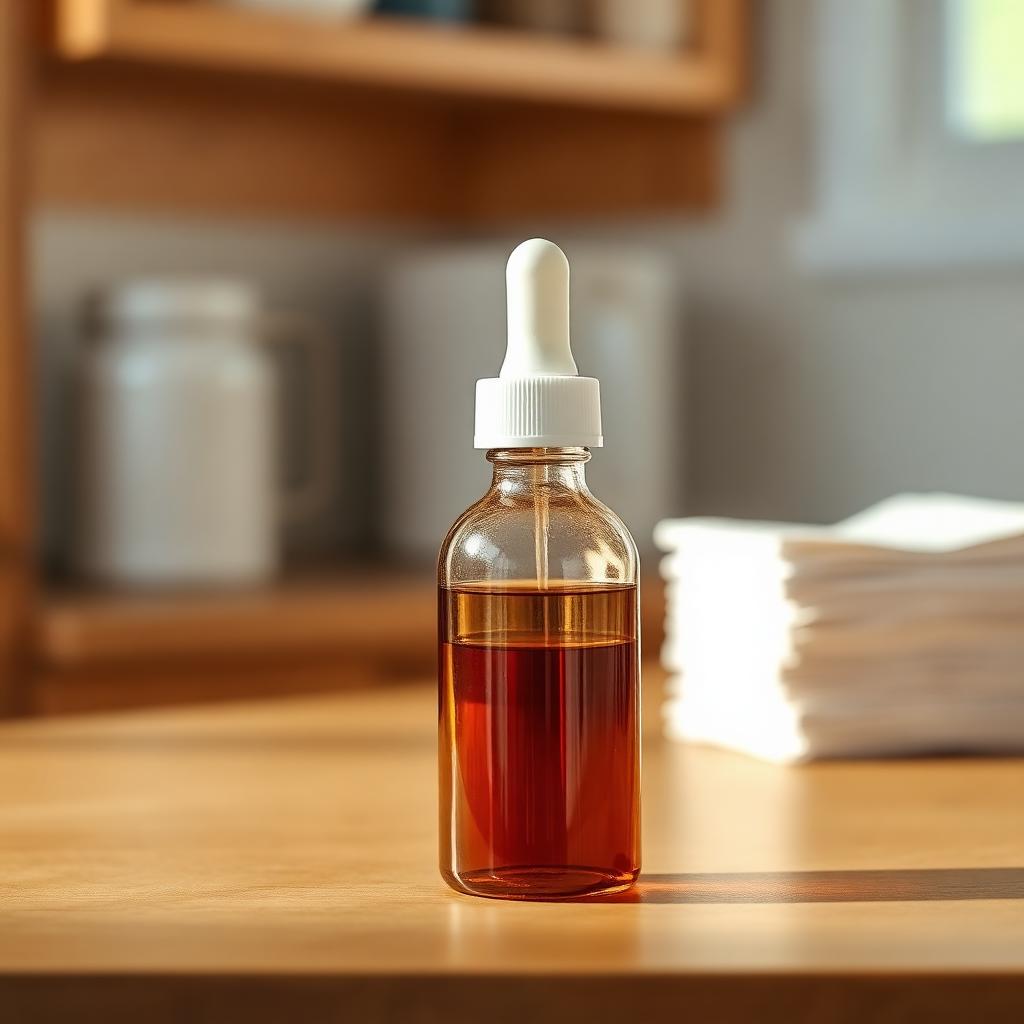
The best pet ear cleaning solution is a veterinary formula built around salicylic acid, lactic acid, and a mild ceruminolytic (wax-loosening) base, with no alcohol and no added fragrance. It flushes the canal, breaks down wax and debris, and does not sting an undamaged ear.
Ear cleaning is a routine, not a treatment. If the ear is red, painful, or the discharge smells yeasty, see the vet before touching a cleaner.
Why the drugstore human ear cleaner is wrong
Dog and cat ear canals are L-shaped and much deeper than human ear canals. Human cleaners (mostly hydrogen peroxide or isopropyl alcohol) are far too irritating for a normal pet ear and dangerously stinging on an inflamed one. They also lack the ceruminolytic detergents pets need to break down darker, waxier canine and feline debris.
The veterinary formulas are pH-balanced for pet ear tissue and contain both surfactants (to lift wax) and mild antimicrobials (to leave less for yeast to eat). Alcohol is deliberately absent from every good option.
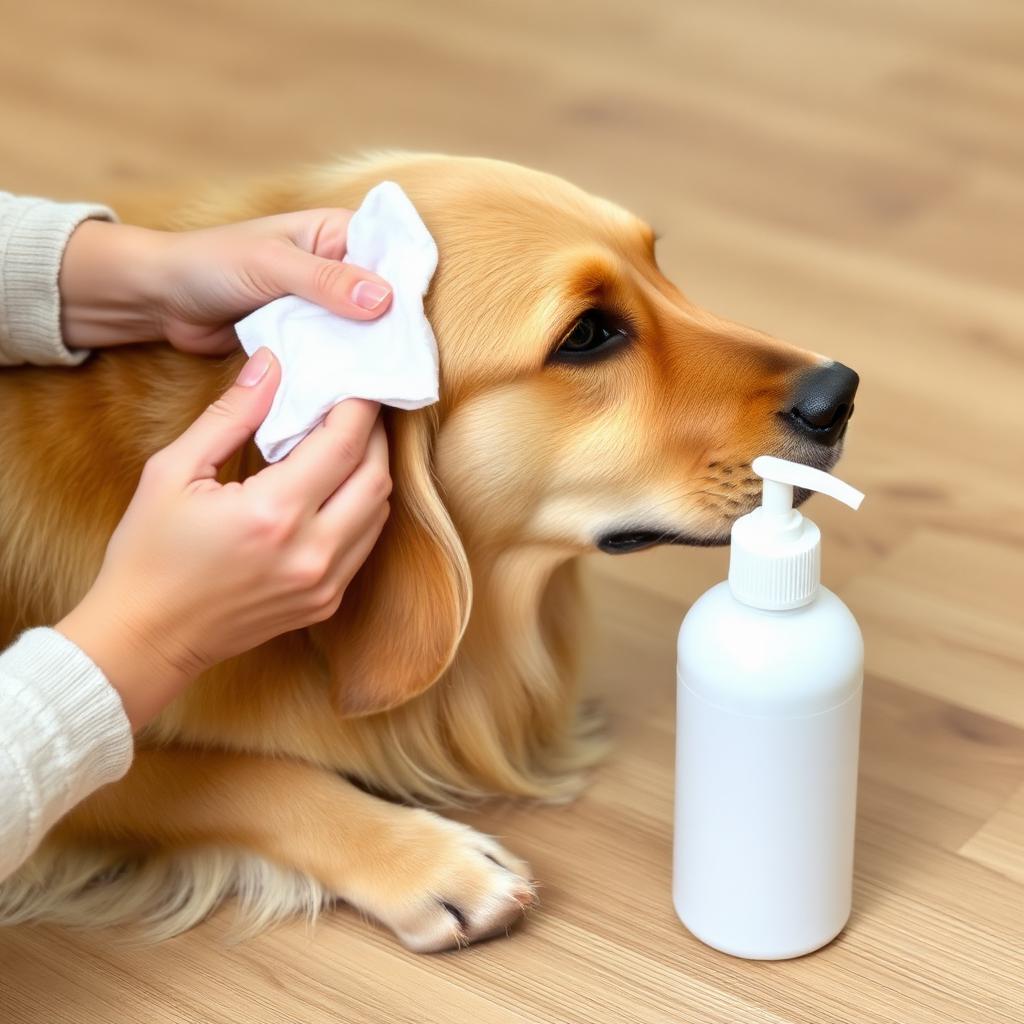
What a good pet ear cleaner looks like
- Salicylic acid + lactic acid combination. Ceruminolytic and mildly antibacterial.
- pH balanced (about 5 to 5.5). Matches pet ear tissue.
- No alcohol. Alcohol stings and dries the canal.
- No added fragrance. Fragrance triggers reactions in sensitive dogs.
- Long-neck flip-top applicator. Precise fill without over-pouring.
- Veterinary or professional recommendation. Skip generic pet-store no-name bottles.
Step by step: cleaning a dog or cat ear at home
- Have treats and a helper ready. Second person holds; you clean.
- Warm the bottle to room temperature. Cold liquid in an ear is what triggers shake-off.
- Hold the ear flap up and gently squeeze cleaner in until the canal fills. Do not push the tip deep.
- Massage the base of the ear (below the ear opening) for 30 seconds. You will hear a squishing sound; that is what you want.
- Let the pet shake. Step back; the shake is how deep debris comes up to the surface.
- Wipe the ear flap and the visible entrance with a cotton round. Never a cotton swab; never push into the canal.
- Reward with a treat immediately. Building tolerance for next time.
- Repeat on the other ear.
How often to clean
- Short-eared, healthy dog: once every 2 to 4 weeks, or as directed by your vet.
- Floppy-eared breeds (Cockers, Bassets, Retrievers): weekly; the closed environment breeds yeast.
- Swimmer or bath-heavy dog: after each swim.
- Cats: monthly at most; healthy cat ears usually self-clean.
Signs to skip the cleaner and see the vet
- Head-tilting or loss of balance.
- Yeasty or foul odor from the ear.
- Redness, swelling, or crusts at the entrance.
- Yelping or pulling away when the ear is touched.
- Dark coffee-ground discharge (possible ear mites).
Common mistakes
- Using cotton swabs. Pushes wax deeper; risks eardrum damage.
- Cleaning painful ears. Cleaner on an infected ear makes the pain worse without treating the cause.
- Skipping the base massage. Cleaner sits in the canal, does no lifting.
- Cleaning too often. Strips protective wax and encourages yeast overgrowth.
- Using alcohol or vinegar mixes. Old-school home remedies that damage healthy ear tissue.
Care and product life
Cap the bottle tightly after every use to prevent evaporation. Store at room temperature, out of direct sunlight; the acid concentration degrades in heat. Most veterinary ear cleaners are good for 12 months after opening. If the liquid changes color or smell, discard and replace. Never share a bottle between a healthy and an actively infected pet without a fresh applicator tip.
Bottom line
Salicylic acid + lactic acid, pH-balanced, no alcohol, no fragrance. Warm the bottle, fill the canal, massage the base for 30 seconds, let the pet shake, wipe the flap. Treats after, not before. That is what makes ear cleaning a routine your dog tolerates instead of dreads.