Quick Answer
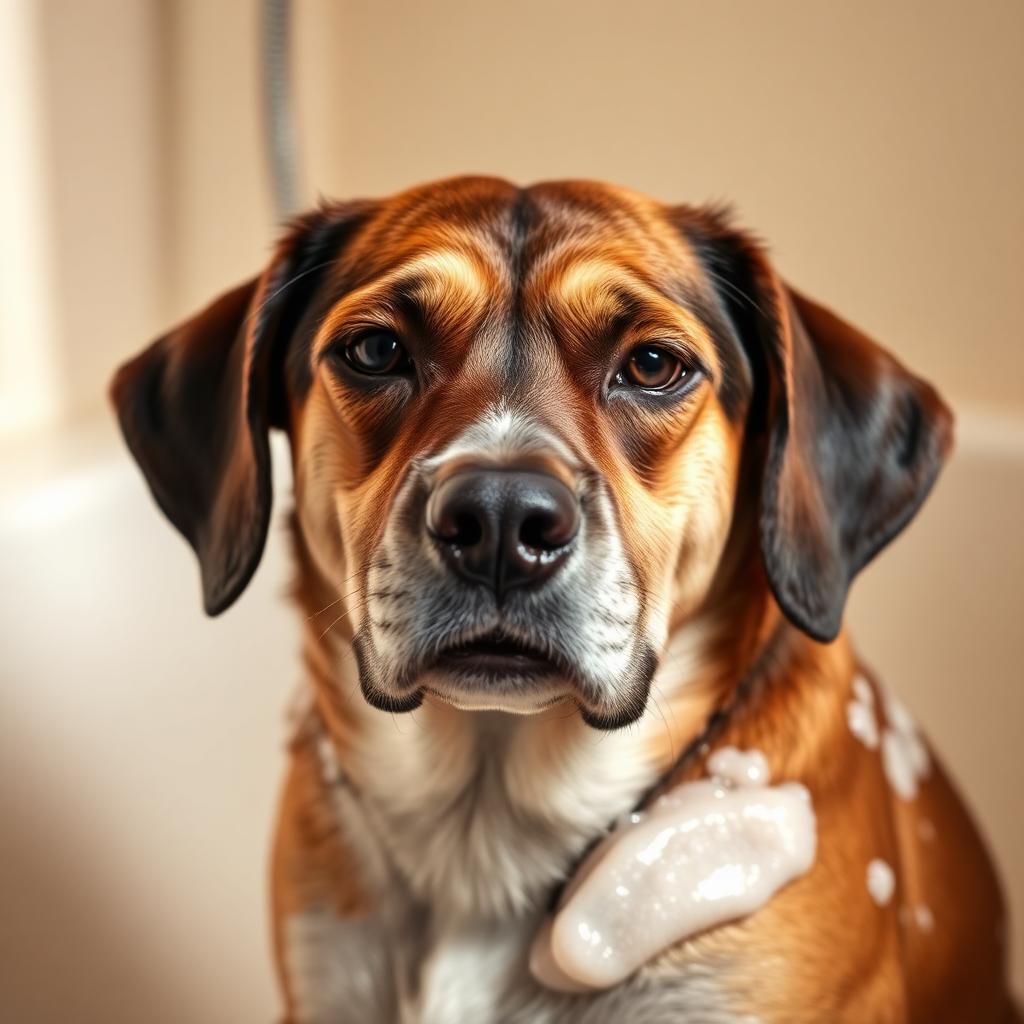
The best oatmeal shampoo for itchy dogs lists genuine finely-ground colloidal oatmeal near the top of the ingredient list, pairs it with whole-leaf aloe vera, uses a sulfate-free plant surfactant base (coco-glucoside or decyl glucoside), and skips heavy synthetic fragrance. Lather it deep into the coat, let it sit 5 to 7 minutes, and rinse thoroughly with cool or lukewarm water.
Why colloidal oatmeal actually works
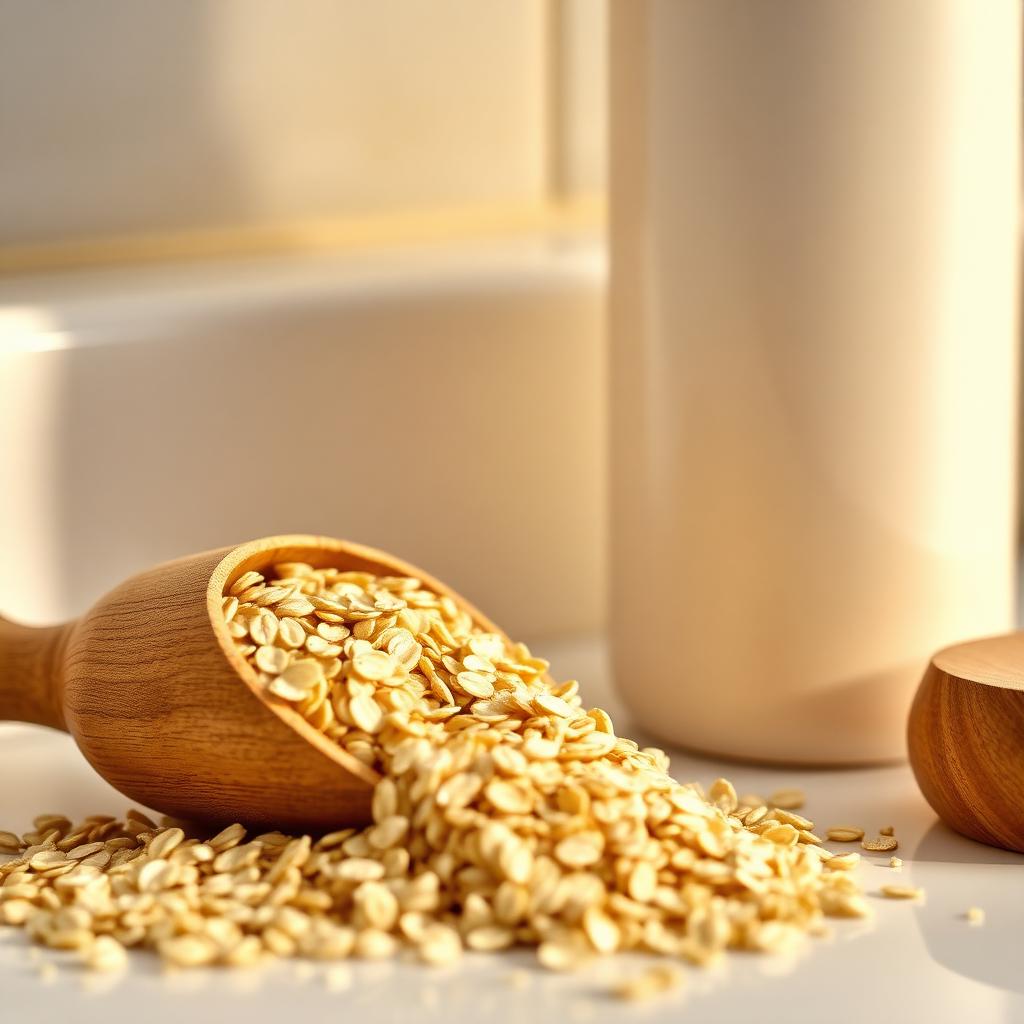
Colloidal oatmeal is whole oat kernels milled into an ultra-fine powder. Unlike regular rolled oats, it does not dissolve; it forms a smooth suspension in water that spreads evenly over skin. Once on the skin, three things happen:
- Avenanthramides (a group of natural anti-inflammatory compounds in oats) calm redness and reduce the urge to scratch.
- Beta-glucan polysaccharides form a light protective film that locks in moisture and shields raw skin.
- Plant lipids and starches bind water at the skin surface, softening the barrier and easing dry-itch.
The FDA officially recognizes colloidal oatmeal as a skin protectant. It is one of the few dog shampoo ingredients that has genuine dermatological research behind it.
What itchy dogs are dealing with
Chronic scratching, paw licking, ear scratching, or rubbing against furniture usually points to one of these:
- Environmental allergies (pollen, dust mites, mold).
- Food sensitivities.
- Flea allergy dermatitis (a single flea bite can trigger a whole-body itch response).
- Dry winter skin or over-bathing with the wrong shampoo.
- Secondary bacterial or yeast infection after weeks of scratching.
Oatmeal shampoo can help with all of these except an active infection. Persistent itching after a proper bath is a vet visit, not a shampoo problem.
What to look for on the label
- Colloidal oatmeal high in the ingredient list. If it is buried near the bottom, the concentration is cosmetic, not therapeutic.
- Whole-leaf aloe vera. Works alongside oatmeal to cool the skin and speed up minor healing.
- Sulfate-free plant surfactants. Coco-glucoside, decyl glucoside, sodium cocoyl isethionate. Avoid SLS/SLES; they strip natural oil.
- Fragrance-free or a light natural scent. Strong perfumes trigger sensitive dogs.
- No parabens. Standard on premium pet formulas now.
- No dye. Colorless formulas are less likely to trigger reactions.
Marketing traps to skip
- "Oat extract" as the only oat-related ingredient. Extract is not the same as colloidal oatmeal; it delivers a fraction of the effect.
- Strong synthetic perfume as the top marketing point. The claim should be soothing, not scented.
- "Human-grade" formulations. Human pH is more acidic than canine skin. Do not use a baby wash on a dog.
- Medicated claims without an active ingredient. Real medicated shampoos list an active (e.g. chlorhexidine, ketoconazole, salicylic acid); everything else is cosmetic.
How to bathe an itchy dog correctly
- Brush the coat dry first. Never bathe over a mat.
- Wet with lukewarm or cool water. Hot water dries and irritates already inflamed skin.
- Dilute the shampoo per the label. Straight from the bottle is often too rich; a 1 to 4 dilution spreads better and rinses cleaner.
- Massage a rich lather deep into the coat and down to the skin. Focus on paws, belly, groin, and any red patches.
- Let it sit 5 to 7 minutes. Set a timer. Contact time is what makes colloidal oatmeal work.
- Rinse with cool water until it runs completely clean. Then rinse another 30 seconds. Residue makes itching worse.
- Blot dry with a soft towel. Do not rub inflamed skin.
- Air-dry or low-heat dry. Skip high heat on already sensitive skin.
How often to bathe
- Once a week for active flare-ups, unless a vet has prescribed a different schedule.
- Every 2 to 4 weeks for maintenance once the skin has settled.
- More often can actually strip skin oils and worsen the itch. Less often risks bacterial build-up.
When itching is not a shampoo problem
See a vet if any of the following are present:
- Red raw patches or hot spots.
- Broken skin or scabbing.
- Persistent paw licking after three consecutive proper baths.
- Sour or yeasty smell (points to secondary infection).
- Hair loss in defined patches.
- Behavior change or restlessness at night from constant scratching.
Chronic itch often needs a diagnosis (allergy testing, an elimination diet, a prescribed medicated shampoo, or a targeted anti-itch medication). Oatmeal shampoo is a supportive care tool, not a substitute for a diagnosis.
Between-bath support
- Rinse paws with plain water after every walk during pollen season.
- Wash bedding weekly on a hot wash.
- Feed a diet with omega-3 fats or ask your vet about an omega-3 supplement.
- Keep the environment dust-mite-controlled (regular vacuuming).
Bottom line
The best oatmeal shampoo for itchy dogs is a genuine colloidal-oatmeal-and-aloe formula on a sulfate-free base, lathered deep and left on for 5 to 7 minutes before a cool rinse. It calms surface irritation reliably, but it is not a cure for allergies, infections, or fleas. See a vet if the itch persists past three proper baths.