Quick Answer
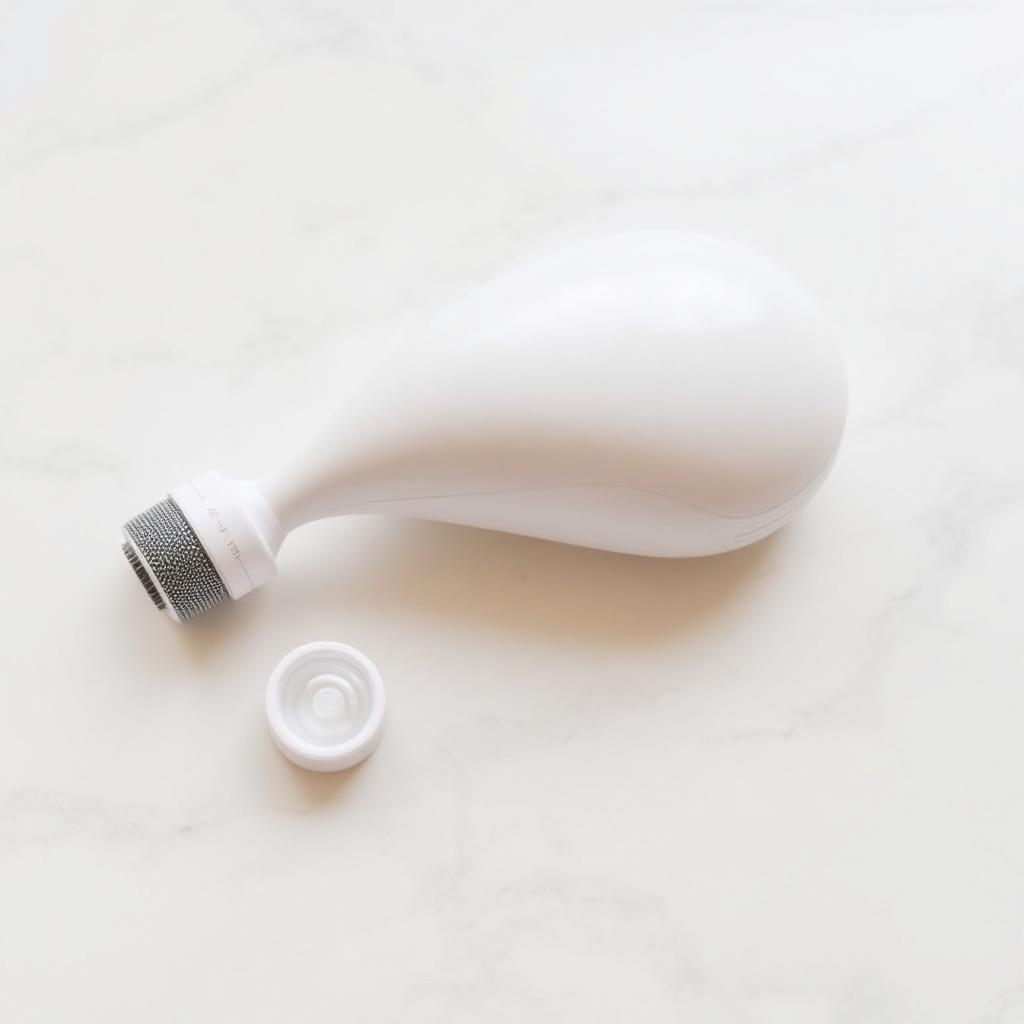
The best at-home microdermabrasion machine pairs a real diamond-tip head with adjustable vacuum suction and replaceable cotton filters. It polishes off dull surface cells, softens texture, and lifts circulation. The old walnut-shell scrubs of 2005 could never.
It is not a substitute for a professional treatment. It is a controlled, weekly step for smoother, more responsive skin that plays nicely with your serums.
Why manual scrubs let you down
The classic gritty face scrub uses irregular particles (walnut, sugar, apricot pits). The problem is the shape: micro-jagged edges create small tears in the stratum corneum. Skin looks brighter for a day, then reacts with more sensitivity a week later.
Microdermabrasion inverts the physics. Uniformly sized diamond grit polishes the surface evenly, and gentle vacuum suction lifts loosened cells into a filter instead of leaving them to clog the sink.
What a good home microderm looks like
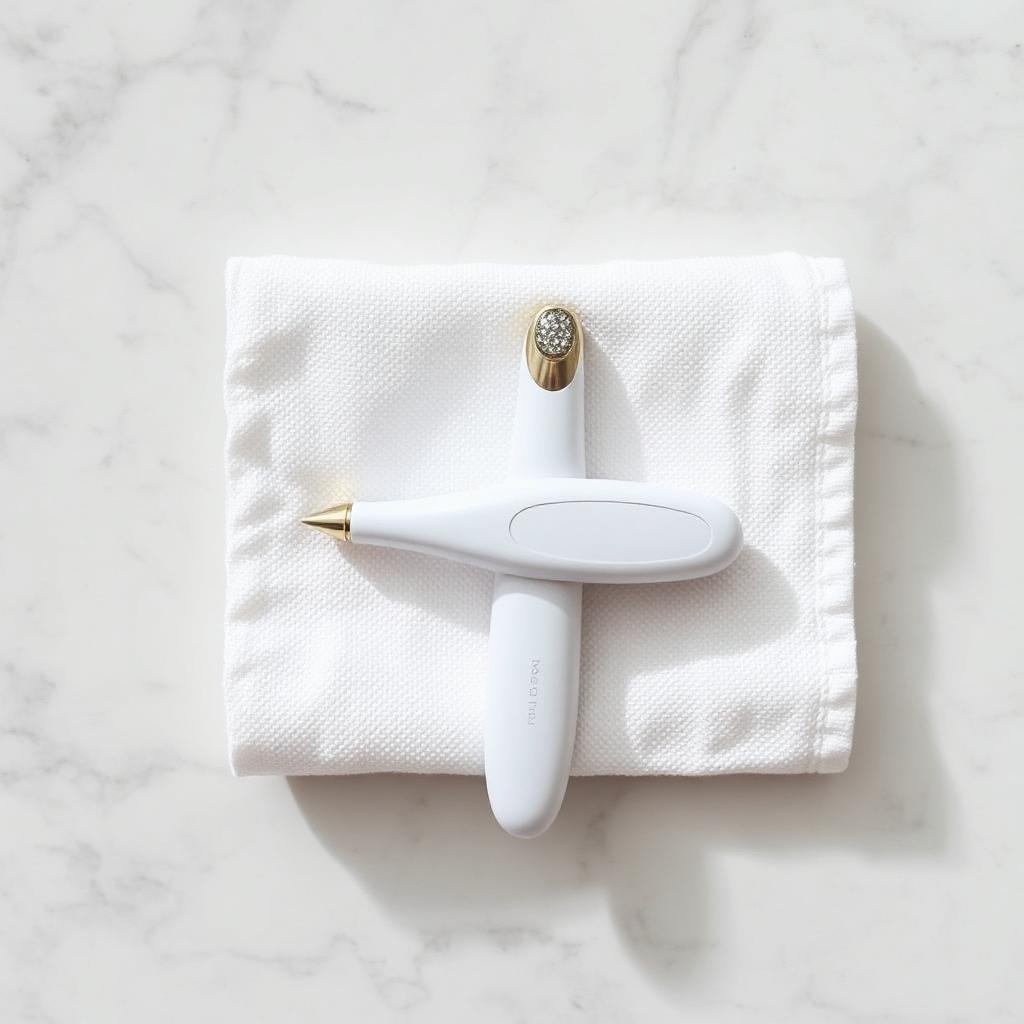
- Real diamond-grit tips. Multiple grit levels (coarse, medium, fine).
- Adjustable vacuum suction. Low for cheeks and forehead; higher for the T-zone.
- Cotton filter disc. Traps lifted cells and small oil beads.
- Replaceable heads. Fresh tip every 20 to 30 sessions keeps the grit consistent.
- Corded or long-battery cordless. Underpowered cordless units cannot generate steady suction.
- Compact filter chamber. Easy to open and clean without spilling.
Step by step: a safe monthly routine
- Cleanse and dry the face. Skin must be completely dry; damp skin drags on the tip.
- Attach the mildest tip and set the lowest suction. Increase only after a few sessions.
- Pull skin taut with the free hand. Move over one small zone at a time.
- Glide in one direction only. No back-and-forth; that is where over-treatment happens.
- Two passes per zone maximum. Cheek, forehead, chin, nose.
- Do not treat the same spot twice in one session. Ever.
- Follow with a soothing serum and a ceramide moisturizer. Skip retinol and acids for 48 hours.
- Sunscreen the next morning, non-negotiable. Fresh skin sunburns fast.
How often to use it
- Oily thick skin: once every 7 to 10 days.
- Normal skin: once every 2 weeks.
- Sensitive or thin skin: once a month, mildest tip only.
- Actively breaking out or on prescription retinoids: pause the machine until the flare settles.
Common mistakes
- Pressing hard for a deeper polish. That is how bruises show up under the eyes.
- Going over a spot repeatedly. Twice, done.
- Using on damp skin. Drags, catches, hurts.
- Skipping sunscreen the next morning. All the polish, none of the protection.
- Stacking with strong AHAs the same evening. Barrier goes down; irritation goes up.
Where it does not belong
- Active cystic breakouts.
- Rosacea flares with visible capillaries.
- Broken skin, weeping eczema, or fresh scars less than 6 months old.
- Right after chemical peels or professional treatments; give the barrier two weeks.
- The delicate eye area and the lip vermilion.
Care and hygiene
Empty and change the cotton filter after every session. Wipe the diamond tip with 70 percent isopropyl alcohol and let it air dry before storing in the case. Replace the tip when the polish starts to feel uneven or when the grit visibly dulls, generally every 20 to 30 uses depending on skin thickness.
Bottom line
A home microdermabrasion machine with a real diamond tip, adjustable suction, and a cotton filter gives you a controlled weekly polish that manual scrubs cannot match. Dry skin, mild tip, taut skin, single-direction passes, ceramide moisturizer, sunscreen. Do it right once a week, and your serums finally reach past the dead cell layer they were fighting.