Quick Answer
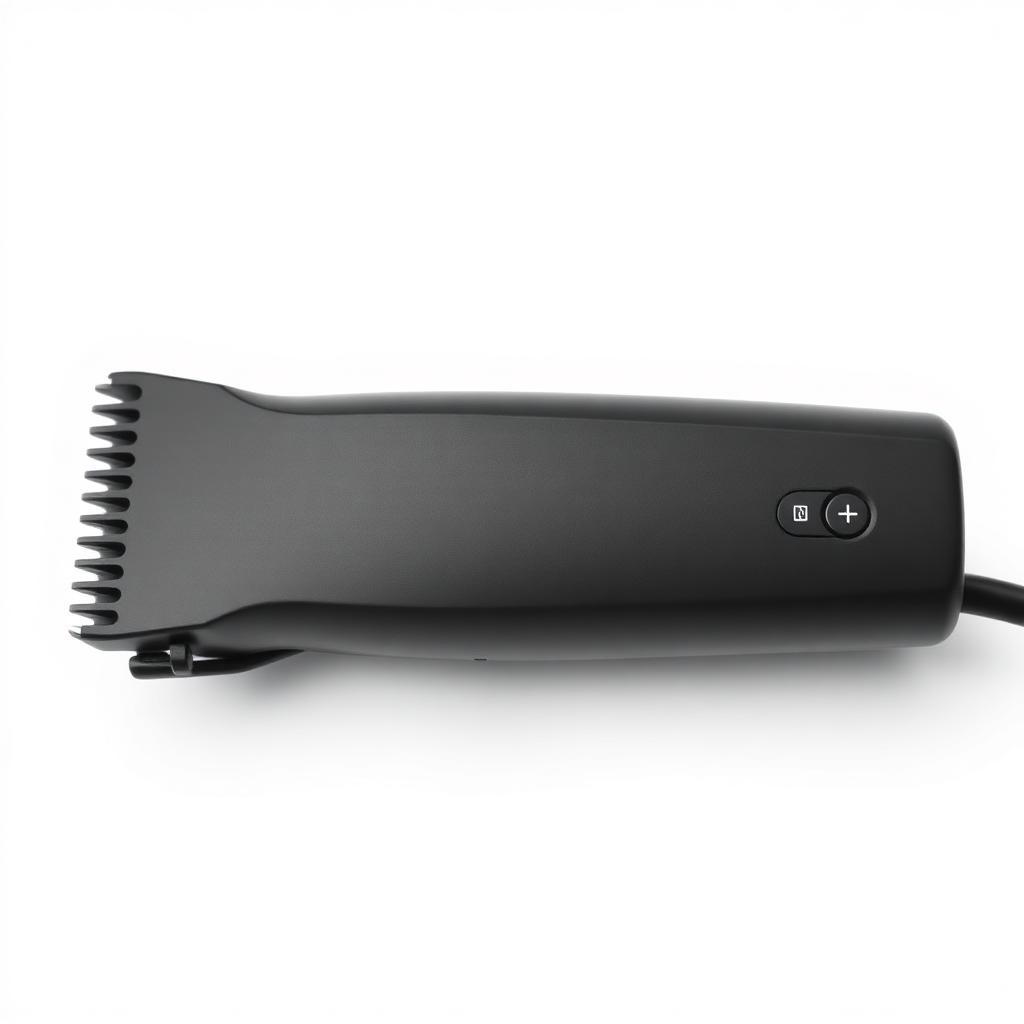
The best low-noise clipper for anxious pets uses a brushless rotary motor, a ceramic edge blade, and rubber-dampened internals. Together, those choices drop noise under about 60 decibels and cut vibration to a hum you can barely feel in the palm. That sensory drop is the difference between a scared dog and a cooperative one.
Sedation-quiet clippers are not gimmicks. They are the same tools professional groomers pick for their most reactive clients.
Why standard clippers panic anxious dogs
Two triggers stack. The buzz of a magnetic motor is a broadband noise dogs perceive at three times human loudness because they hear higher frequencies. And the vibration of a magnetic clipper travels through the plastic housing directly into the dog's skin.
Anxious dogs learn the association fast: buzzing tool near the ear equals unpleasant sensation on the body. A brushless rotary clipper with a ceramic blade and internal shock mounts breaks that association because there is neither loud noise nor strong vibration to associate with anything.
What a good quiet clipper looks like
- Brushless rotary motor. Smoother torque; no carbon-brush friction noise.
- Ceramic edge blade paired with steel base. Cuts cooler, whispers instead of ringing.
- Rubber-mounted internal motor. Vibration stops at the housing.
- Cordless with lithium-ion battery. No cord slap or transformer buzz.
- Two-speed control. Low for the introduction, higher for dense body coat.
- Fits detachable A5 or 5-in-1 blades. Standard blade ecosystem, easy replacement.
Step by step: introducing a clipper to an anxious dog
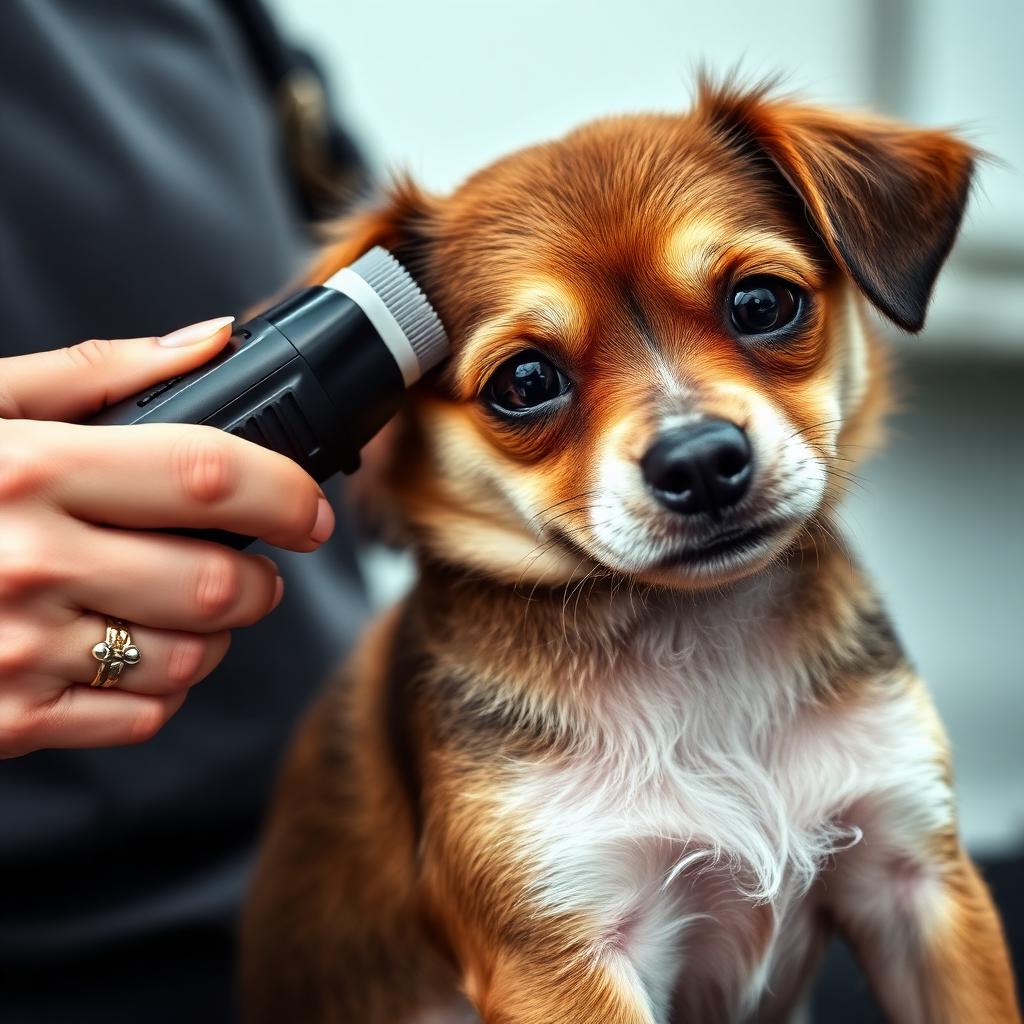
- Turn the clipper on in another room first. Let the dog hear the noise without seeing the tool.
- Bring it in switched off, blade removed. Let the dog sniff; treat.
- Turn it on across the room, no touching. Two minutes; treat every 30 seconds it stays calm.
- Rest the running body of the clipper against a shoulder, not the head. Body first; the head is the last comfort zone.
- Make the first cut on the shoulder, moving with the coat. One short pass; stop; treat.
- Save face and paws for the second or third session. Consent comes from the calm first passes.
- End on a win, not a full body cut. Two calm minutes is better than fifteen forced ones.
How to fit the clipper to your dog
- Small anxious mix or senior: a compact brushless cordless is the honest choice; light in the hand, hums instead of buzzes.
- Curly coat that mats (Doodle, Poodle): ceramic blade matters more than motor; heat is the trigger for those dogs.
- Large calm dog with dense coat: a corded two-speed is more reliable through hours of body work; the quiet motor buys goodwill on ears and face.
- Rescue with prior grooming trauma: the quietest tool you can afford, plus a pheromone diffuser in the room for the first month.
Common mistakes
- Starting with the face on session one. The face is where trauma lives; earn the rest of the body first.
- Running a hot blade against skin. Even a quiet clipper builds heat; check the blade against your inner wrist every two minutes.
- Charging through fear. Every forced session doubles the recovery time next month.
- Buying "silent" gimmick clippers with no torque. Silent and useless is worse than quiet and effective.
- Skipping the blade oil between passes. A dry blade tugs; tugging is the trigger the dog remembers.
Care and blade life
Brush the blade after every dog; oil it every 10 minutes of runtime with clipper-grade oil, not household oil. Wipe the housing with alcohol between dogs to keep pheromones from crossing over. Store the clipper on a flat surface with the blade capped; cordless batteries live longer at 40 to 80 percent charge, so avoid the habit of always keeping it plugged in.
Bottom line
A brushless rotary clipper with a ceramic blade and rubber-mounted internals is the sensory package that lets anxious dogs cooperate. Match the size to your dog, introduce it in stages, and end sessions early on a calm note. Two sessions in, the association flips: the tool that used to mean panic starts meaning shoulder rubs and treats.