Quick Answer
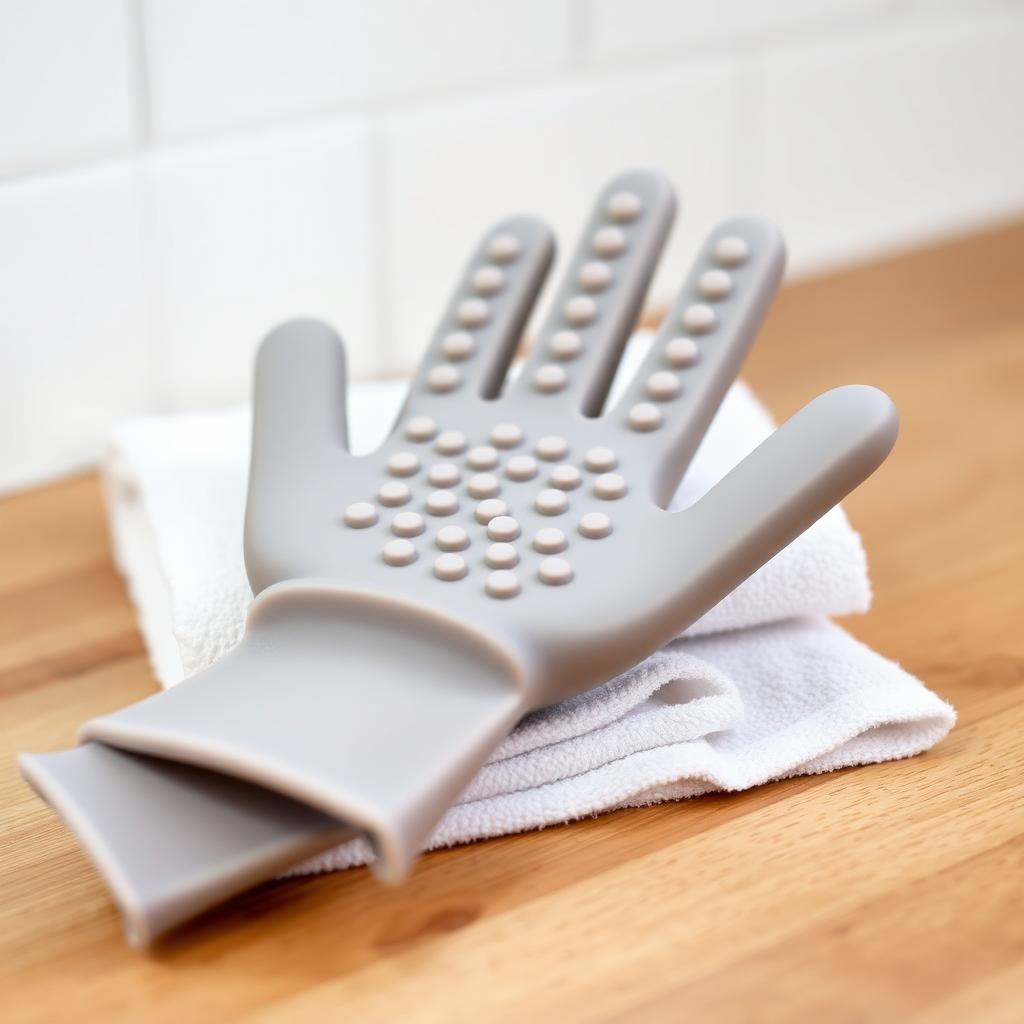
The best lint-free cat grooming glove has a pure silicone or smooth composite face lined with tapered flexible nubs, an adjustable Velcro wrist strap, and no fabric mesh to trap hair. It collects loose undercoat during normal petting, peels away in one clean sheet, and turns a brushing session into a massage. Skip cloth-mesh gloves; hair weaves into the fibers and they never look clean again.
For cats who hate wire slickers, the glove is the difference between a fight every week and daily hair collection built into a chin scratch.
Why the glove works when a slicker fails
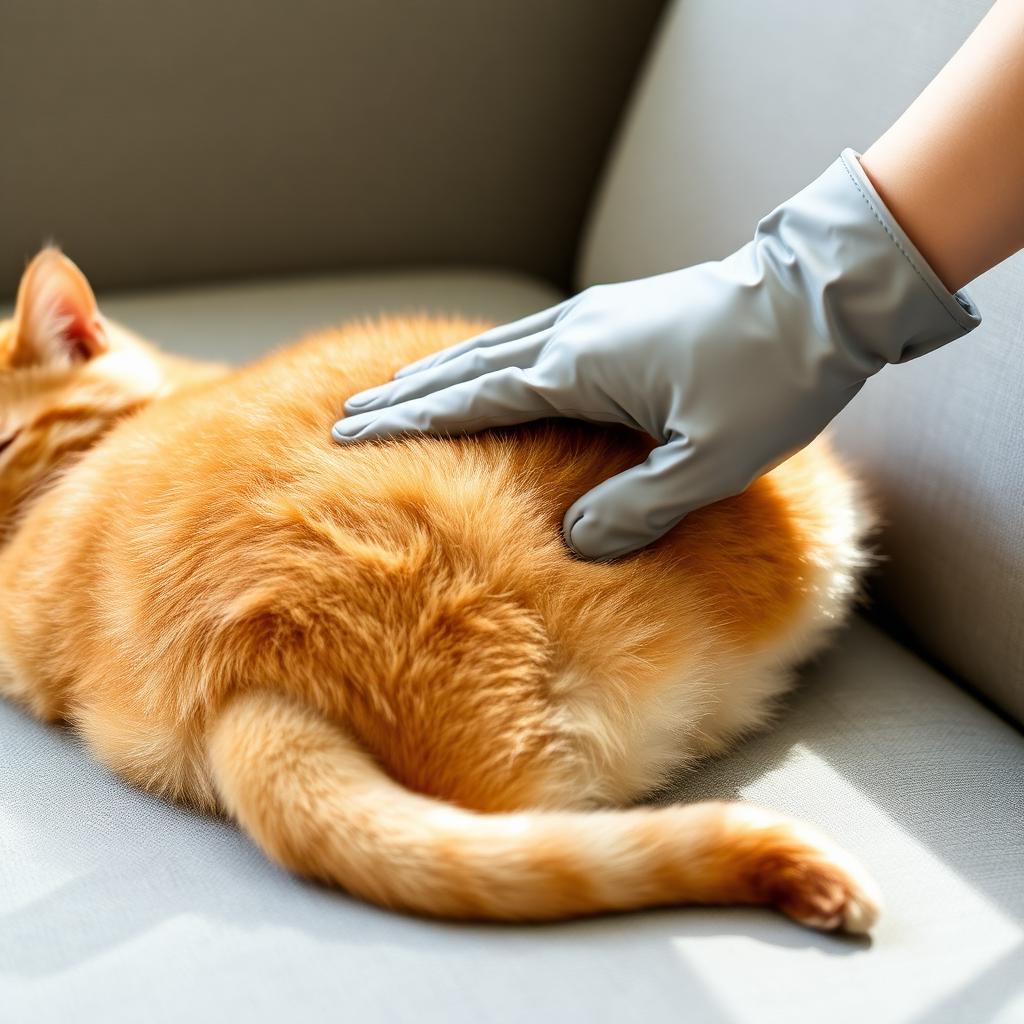
Cats do not distinguish "grooming" from "petting" the way dogs do. A wire slicker looks like a tool. A gloved hand looks like a hand. The glove collects hair via two mechanisms at once: friction (nubs drag against the coat) and a light electrostatic charge on the silicone (loose fibers stick to the palm). No pulling, no yanking, no root tension.
Features that separate great from average
- 100 percent silicone face. Not fabric-with-silicone-nubs. Pure silicone peels clean.
- Tapered flexible tips. Rounded nub bases with slim tips push through the top coat into the undercoat without scratching.
- Adjustable Velcro wrist strap. A loose glove flops mid-stroke and irritates the cat.
- Machine-washable liner. The inside gets sweaty on long sessions.
- Ambidextrous or left/right pairs. Some models are designed for one hand only.
- Ventilation on the back of the glove. Keeps your hand from overheating.
What to skip
- Cloth-mesh "shedding gloves" with plastic nubs sewn onto fabric. Fibers weave into the mesh and it becomes a hair magnet you cannot clean.
- Metal-pin gloves. Defeats the purpose. A pin brush on a strap.
- One-size latex gloves. They stretch, tear, and rip nubs off within weeks.
- Gloves with scented silicone. Cats hate it.
Cat types that benefit most
- Short-hair cats who shed heavily seasonally.
- Cats who flee from brushes.
- Kittens learning to accept grooming (great desensitization tool).
- Cats with sensitive skin that flinches under wire slickers.
- Anyone who wants to reduce couch fur without a formal grooming session.
Long-haired mat-prone cats still need a stainless steel comb and a soft-pin slicker for the actual detangling work. The glove is a supplement, not a replacement.
Step by step: how to use it
- Introduce the glove flat. Let the cat sniff it on the couch for a session or two before you wear it.
- Slip it on and adjust the wrist strap. Snug so it does not slide.
- Wait for a relaxed mood. Sleepy or purring is ideal.
- Start with long slow strokes. Down the back, from shoulders to hips. Petting pace, not brushing pace.
- Follow the grain. Direction of hair growth only.
- Move to the flanks and chest. Most cats love chest strokes.
- Skip sensitive zones on first sessions. Belly, tail base, and hindquarters unless the cat clearly welcomes it.
- Peel the hair off. When the silicone face is covered, roll the collected fur off in one sheet.
- Reward. Session should always end on a treat.
Cleaning and lifespan
- Rinse under warm water after every session. Warm water plus a drop of dish soap dissolves skin oils.
- Air dry. Silicone dries fast. Do not tumble dry.
- Deep clean weekly. A 10-minute soak in warm soapy water clears trapped dander.
- Replace when nubs deform. A quality silicone glove lasts 12 to 24 months with regular use.
How the glove fits with other tools
- Daily. Two-minute glove pass during evening petting. Doubles as a lump-check wellness scan.
- Weekly. Full comb-through with a stainless steel greyhound comb.
- Every 2 to 4 weeks. Soft-pin slicker if the cat is long-haired.
- Every 4 to 6 weeks. Full bath or waterless foam session for long coats.
Common mistakes
- Choosing a fabric-mesh glove. Hair weaves in, and it never comes clean.
- Wearing the glove loose. Slips, flops, annoys the cat.
- Brushing against the grain. Some cats tolerate it; most do not.
- Using the glove as the only tool on a long-haired cat. It will not prevent armpit mats.
- Skipping the wash. A dirty silicone glove smells like dander after a week.
Bottom line
The best lint-free cat grooming glove has a pure silicone face with tapered flexible nubs, an adjustable Velcro wrist strap, and no fabric weave. Use it during normal daily petting for two to three minutes at a time. Follow the grain, peel the collected hair off in one sheet, and rinse the glove after every session. It is the best supplement to a proper comb-and-slicker routine, and often the only tool that a brush-averse cat will actually accept.