Quick Answer
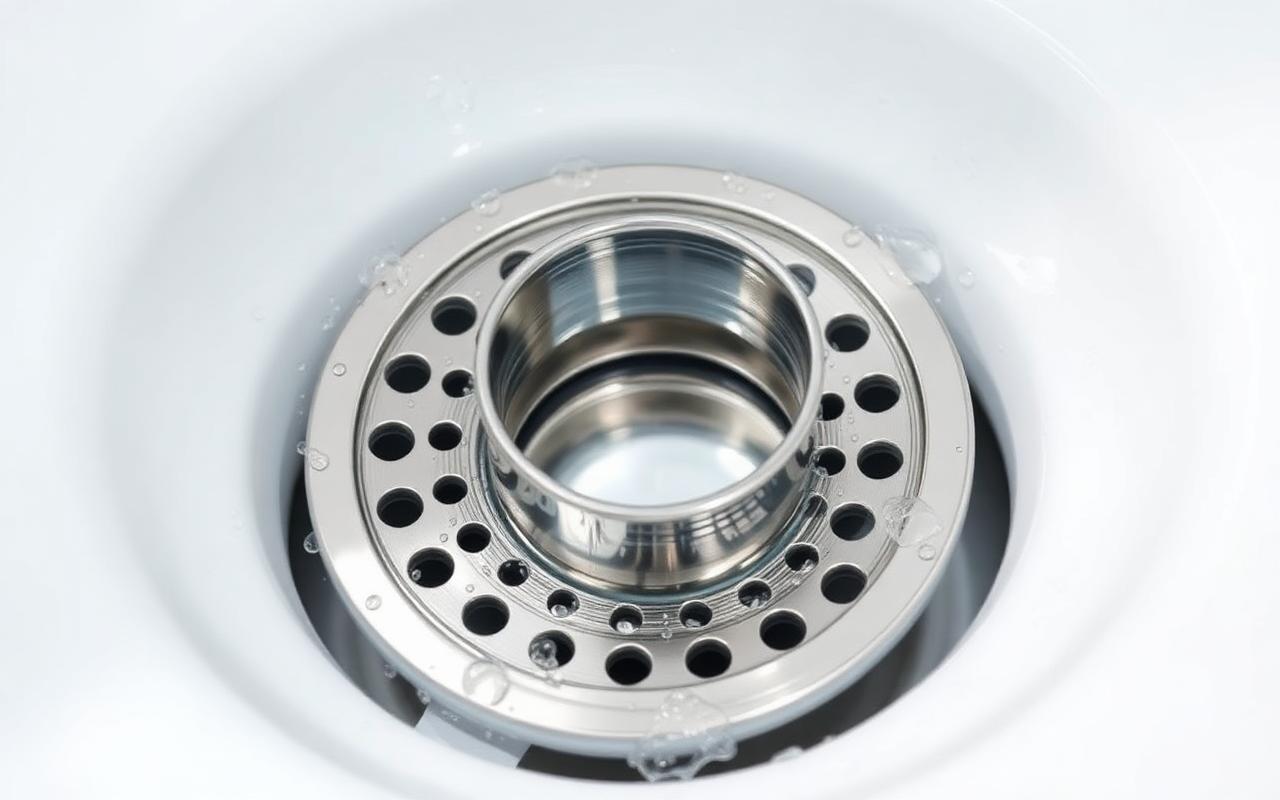
The best hair-catcher shower drain cover is a weighted stainless steel cylindrical in-drain insert with micro-hole perforations and a soft silicone gasket. TubShroom (the original cylindrical tub catcher), OXO Good Grips Silicone Shower Drain Protector, and DrainWig for standing showers are the three most-recommended styles depending on your drain shape.
A good catcher trades a slightly slower rinse for a permanent end to hair-clogged pipes. That trade is worth it: professional drain snaking runs 150 to 300 US dollars, and chemical drain openers slowly corrode older cast-iron and galvanized lines.
Why hair clogs your drain in the first place
Loose hair does not clog pipes by itself. Once it enters the P-trap under your shower, it wraps around any rough edge and binds with soap scum, body oils, and hard-water minerals. Over months, that mat calcifies into a dense fibrous plug that no plunger can shift. The fastest way to stop this cycle is to stop the hair at the drain lip, which is what a well-designed catcher does every single shower.
The engineering behind an effective catcher
1. Cylindrical in-drain vs flat mesh
Flat wire mesh screens sit on top of your drain and clog within a single wash. Water pools around your feet and the strainer traps only the hair you can already see. Cylindrical catchers slip into the drain pipe itself. Water enters through the top ring and hundreds of micro-holes on the side wall, while hair coils around the outside of the tower out of sight.
2. Weighted body
Cheap plastic strainers float out of place the moment water backs up. Look for either weighted stainless steel or dense silicone with a rubberized base ring so the catcher stays seated when hair briefly slows the flow.
3. Micro-hole perforation pattern
Small circular perforations (roughly 2 to 3 mm) trap fine human hair and even pet fur without becoming a solid barrier. Wide-slot mesh lets short hair pass and rounded holes clean off with a quick rinse.
4. Silicone friction gasket
The perimeter that meets the drain edge should be soft silicone or a rubber ring. This creates a friction seal so hair cannot slip underneath, and it protects the drain finish from being scratched over years of use.
Match the catcher to your drain type
Standard 1.5-inch bathtub drain
Use a cylindrical in-drain insert. It slips inside the vertical pipe and hides both itself and the collected hair. This is the shape TubShroom made popular and the design most rebought for family bathrooms.
Walk-in stand-up shower with a flat square or round grate
An in-drain cylinder will not fit. Use a weighted dome-shaped silicone protector that sits over the entire grate opening, with a raised textured ring around the perimeter that traps hair while water slips down the middle.
Linear channel drains
Linear drains hide under a long rectangular grate. Most already integrate a lift-out hair basket. Clean it once a week and skip the aftermarket accessory.
Cleaning routine that actually keeps it working
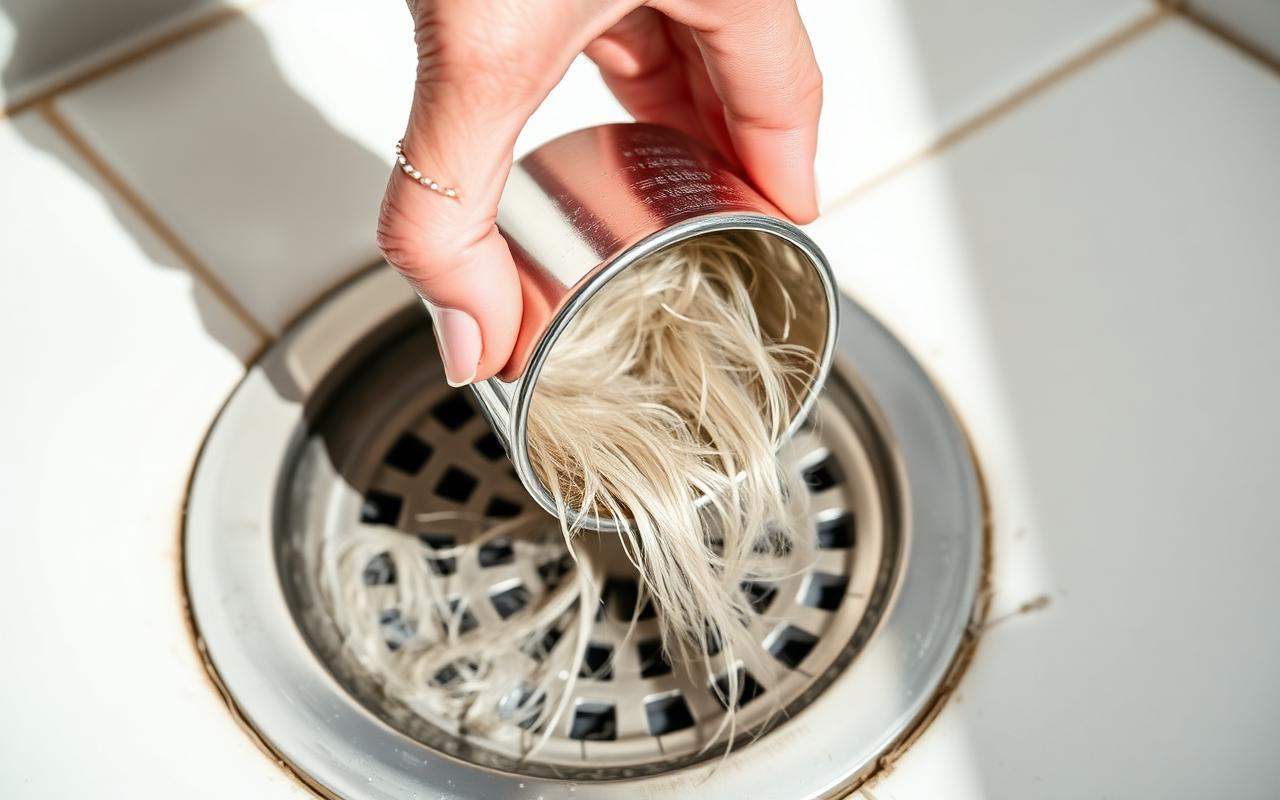
- Wipe weekly. Grab a piece of toilet paper, lift the catcher, and roll the hair off in one motion. Toss the paper in the bin, not down the drain.
- Deep-clean monthly. Drop the catcher in a bowl of hot water with one tablespoon of dish soap for 10 minutes to strip soap film. Rinse and reseat.
- Sterilize twice a year. Spray with a 1:1 white vinegar and water solution, wait five minutes, rinse. This clears the pink biofilm (Serratia marcescens) that grows on damp bathroom surfaces.
- Never pour bleach through the catcher. Bleach reacts with any residual hair product and shortens the life of the silicone gasket.
Common mistakes
- Buying a floating flat mesh. It clogs in one shower and you never use it again.
- Forcing the wrong size. Measure your drain opening before ordering. In-drain cylinders come in 1.5 inch and 2 inch versions.
- Leaving it in place for months. Even the best catcher becomes a smelly biofilm island if you never rinse it.
- Trusting chemical drain openers instead. They corrode pipes and only clear the section right at the opening.
Bottom line
A weighted cylindrical stainless steel or dense silicone catcher with micro-hole perforations and a friction gasket is the single cheapest home upgrade with the biggest long-term payoff. Wipe it weekly, deep-clean it monthly, and you will likely never call a plumber for a hair clog again.