Quick Answer
The best beak safe grooming perch for parrots has a smooth top for the foot pad, rough abrasive side panels that trim the claws naturally as the bird climbs, a variable tapered diameter that exercises the foot muscles, and a non toxic pumice or concrete core. Skip the uniform sandpaper covered perches; they wear the foot pads raw and are the leading cause of bumblefoot in captive parrots.
Why domestic parrots need pedicure perches
In the wild, parrots wear their claws on rough tree bark, volcanic rock, and hard tropical wood. In a cage of smooth plastic and uniform dowel perches there is nothing to trim the claws naturally, so they overgrow, curve inward, and the foot rests at the wrong angle.
The result is bumblefoot: open dermal sores on the foot pad that get infected and can leave a bird permanently lame if untreated. Long claws also catch on cage bars during panic flapping and cause toe amputations and leg fractures.
What to look for in a grooming perch
- Dual texture surface. Smooth top surface for foot pad comfort, rough abrasive sides for claw wear.
- Variable diameter along the length. Tapered thicker on one end, thinner on the other so the foot flexes across different grips.
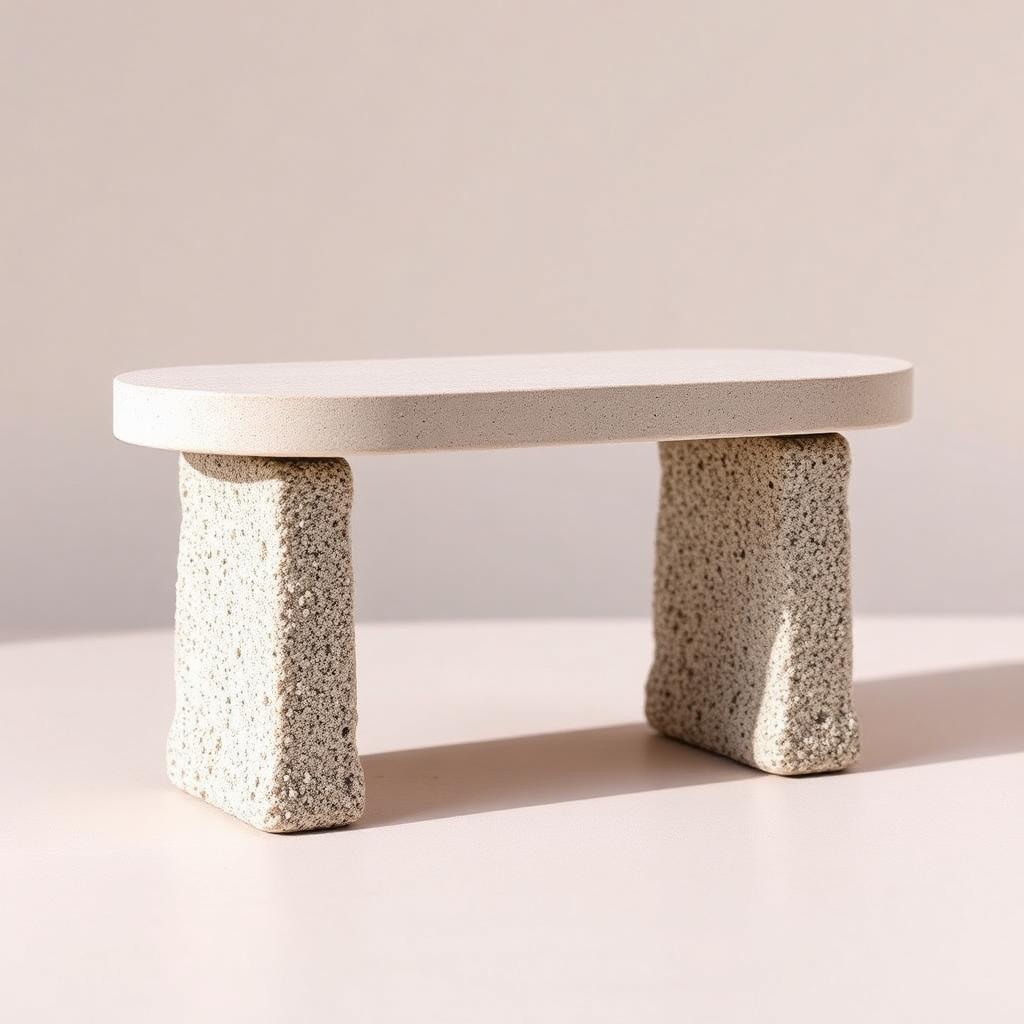
- Non toxic pumice or concrete core. Chew proof, safe for beak conditioning.
- Cage safe mounting hardware. Rust proof, no exposed sharp bolts.
- Appropriate size for your species. Small for cockatiels, medium for conures and lovebirds, large for African Greys and Amazons.
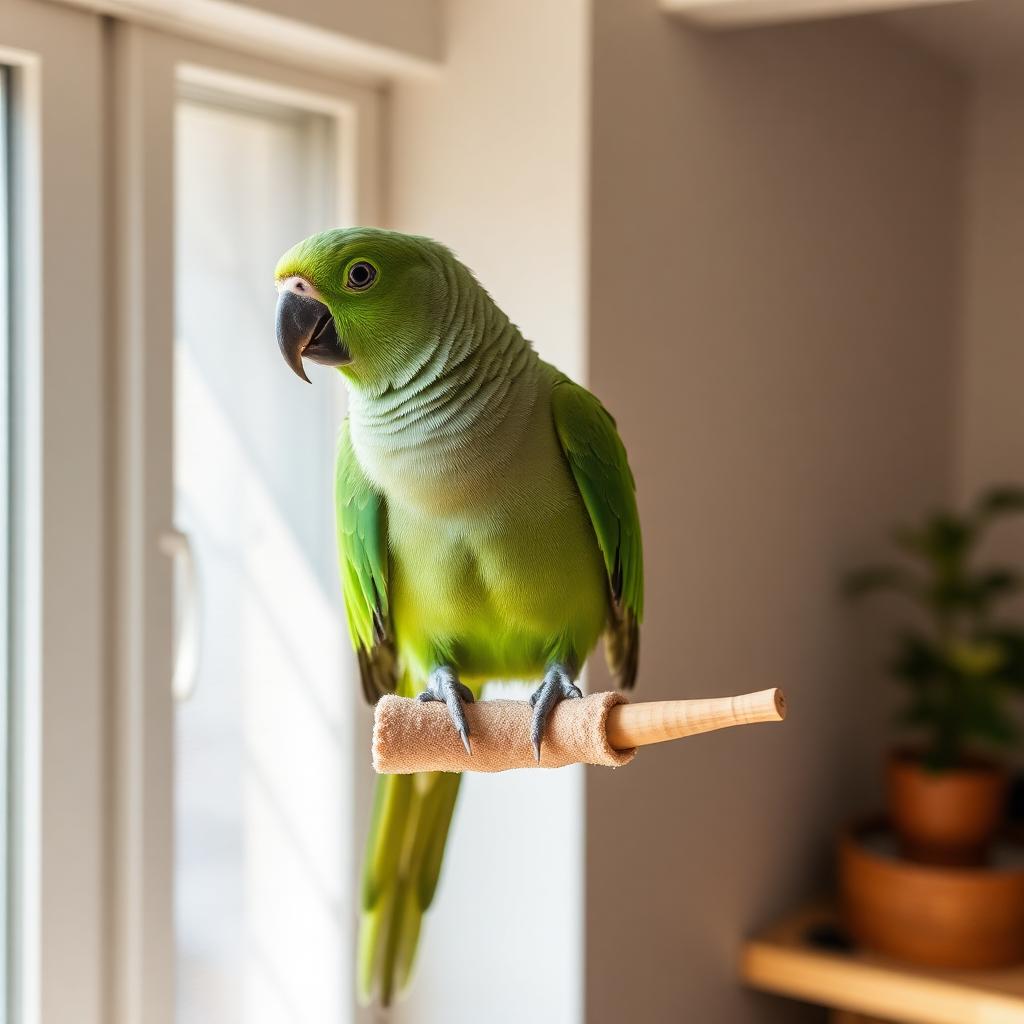
What to skip
- Fully sandpaper covered perches. Rough top surface wears foot pads raw.
- Perfectly uniform dowels. No flex, no wear, promotes arthritis.
- Painted concrete perches with unknown coatings. Parrots chew everything.
- Very thin diameters for large parrots. Overloaded foot pads develop pressure sores fast.
Where to place the perch
- One grooming perch per cage, not more. Overuse causes exactly the pad wear you are trying to prevent.
- Position as a lookout perch. Near a window or the feeding station encourages daily use.
- Never as the sleeping perch. The foot needs a smooth resting spot at night.
- Alongside natural branch perches. The rest of the cage should mimic tree branches with varied thickness.
Signs it is working
- Claws stay at a natural short curve.
- The beak stays smooth and even, no flaky overgrowth.
- No callouses on the foot pads.
- The bird uses the perch voluntarily.
Signs it is causing problems
- Redness or bald patches on the foot pad.
- The bird avoids the perch or lifts one foot.
- Beak or claw wear that seems excessive.
- Overgrown claws suggest the bird avoids the perch, so add a wider or textured alternative.
Common mistakes
- Buying a fully rough perch and installing it as the main perch.
- Placing multiple grooming perches in one cage.
- Choosing the wrong diameter for the species.
- Skipping natural wood perches entirely.
- Ignoring hidden pad redness because "the perch is good for them."
Bottom line
The right grooming perch has a smooth top, rough sides, a tapered variable diameter, and a non toxic pumice or concrete core. Position one perch as a lookout beside natural wood branches, watch for foot pad changes, and you get free claw and beak conditioning built into the bird's daily routine. Uniform sandpaper perches belong in the bin.