Quick Answer
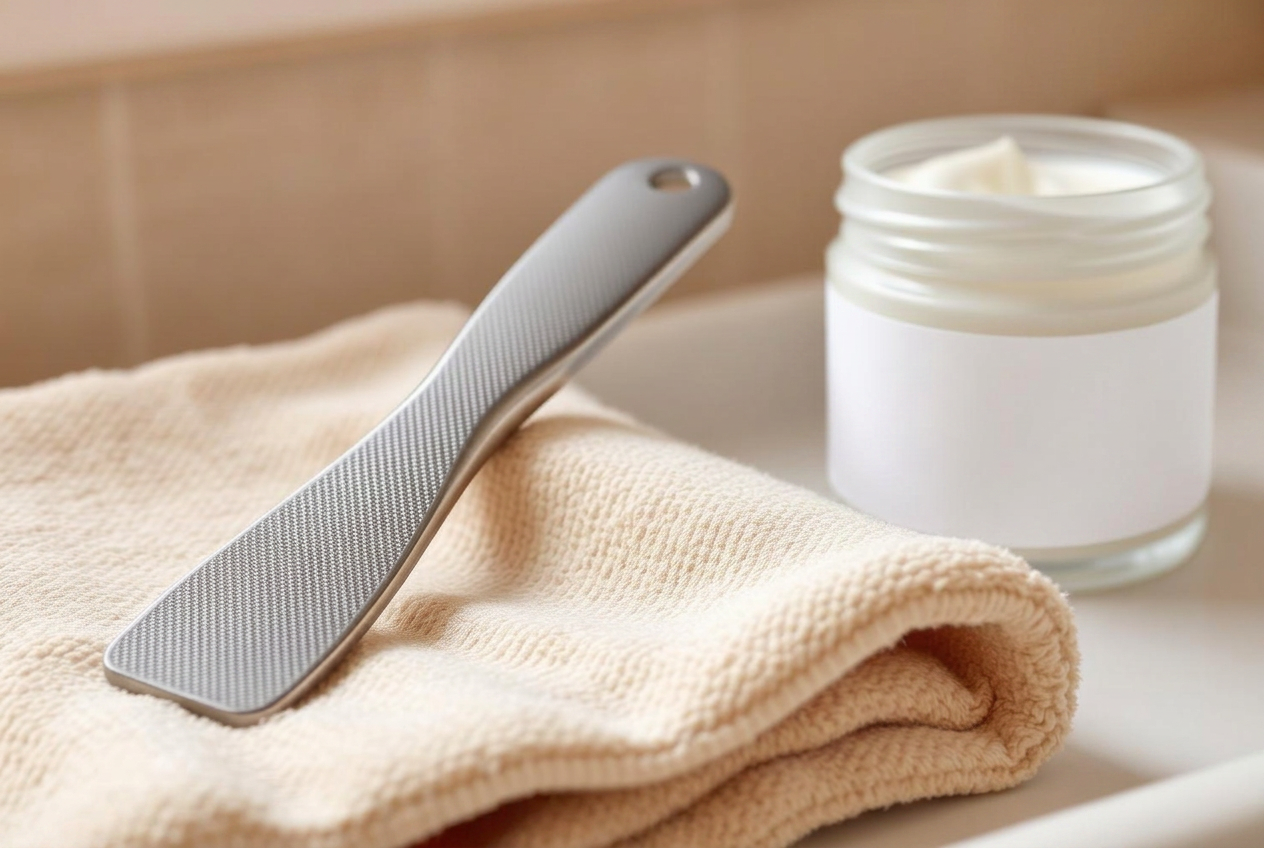
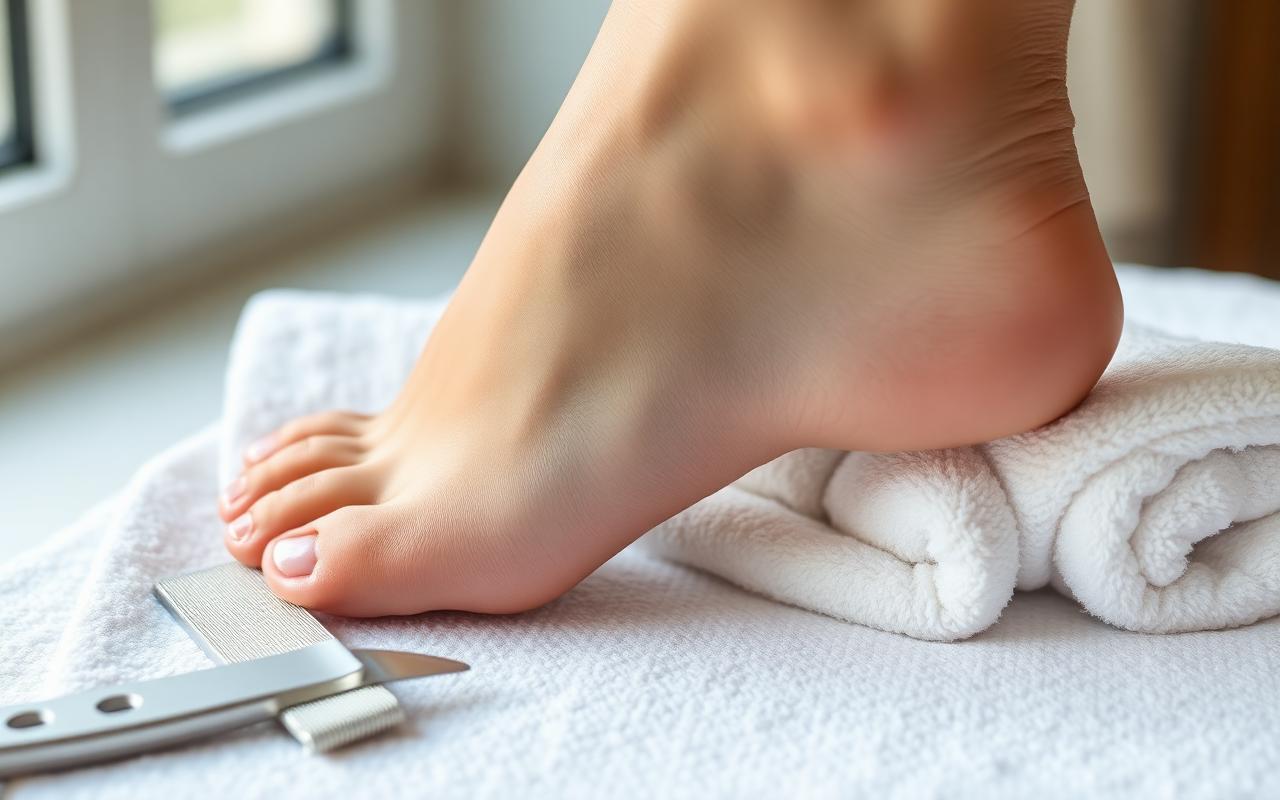
The best foot file for hard skin is a dual-sided tool with laser-etched stainless steel micro-blades on one side for reducing thick calluses and a fine-grit or nano-glass surface on the other for polishing. Amope Pedi Perfect, Colossal Foot Rasp, and Own Harmony Callus Remover are the three most-rebought manual and electric picks.
Cracked heels are not just cosmetic. Once a callus splits open, the crack can reach the dermis, bleed, and become the entry point for a bacterial infection, especially in anyone with diabetes. A weekly filing routine keeps that risk near zero.
Why your heels build hard skin
Foot skin is naturally thicker than skin elsewhere because it carries impact. Repeated pressure, dry air, open-back shoes, and low humidity make skin cells stack faster than they shed. The result is a callus, a corn on a bony point, or a fissure at the heel rim where the skin has lost all elasticity.
Removing that dead layer restores circulation to the surface and lets moisturizer actually reach living skin. Left untreated, calluses shift your gait and can lead to knee and lower-back strain over time.
Laser-etched steel vs nano-glass vs pumice
Laser-etched stainless steel rasp
Hundreds of microscopic sharp cutting edges etched into a rust-proof steel plate. Cuts through thick heavy calluses fast, similar to a very fine kitchen grater. Best for stubborn areas and heavy build-up. Requires very light pressure; the blades do the work.
Nano-glass file
Tempered glass with a computer-etched abrasive pattern. Turns dead skin into fine dust rather than shaving it off. Safe on wet or dry skin, easy to sanitize with soap and water, and cannot cut live skin the way a metal rasp can if overused. Best for regular maintenance and lighter callus.
Pumice stone
Traditional volcanic stone. Cheap and gentle, but porous, hard to sanitize, and dulls quickly. Fine for very light callus; underpowered for thick heels.
Electric callus removers
Battery-powered with a rotating roller of mineral abrasive. Fast on medium callus but easy to over-file if the roller sits too long in one spot. Look for models with an auto-stop pressure sensor.
Key features to compare
- Dual-sided surface: coarse for reducing, fine for smoothing. A single-grit tool leaves you with a rough finish.
- Ergonomic handle: long and rubberized so wet hands do not slip.
- Rust-proof steel or glass: the file lives in a wet bathroom. Anything that pits or rusts becomes an infection risk.
- Sealed removable head: for electric models, look for a snap-off roller you can rinse under water.
Weekly routine that actually works
- Soak or shower first. Warm water for 10 minutes softens the top callus layer. Never file bone-dry hardened skin.
- Towel-dry lightly. Skin should be damp, not dripping.
- File in straight linear strokes. Coarse side, light pressure, one direction only. Do not saw back and forth or spin in circles.
- Check every 10 to 15 strokes. Run your fingertip across the area. Stop the moment the skin feels smooth. Over-filing into live skin causes soreness and sometimes bleeding.
- Switch to the fine side for a final polish across the whole heel.
- Rinse, dry, moisturize. Apply a thick urea 10% or 20% foot cream and put on cotton socks for 30 minutes to lock moisture in.
When to skip filing and see a professional
- Diabetes or peripheral neuropathy (higher infection risk).
- A callus that hurts sharply when pressed (may be a plantar wart or a deep corn).
- Broken skin, bleeding, or visible pus around the callus.
- Yellowing or thickening of the toenail itself, which suggests fungus rather than callus.
Common mistakes
- Filing bone-dry skin. Blades tear rather than shave. Always soak first.
- Sawing back and forth. Direction matters. Linear strokes only.
- Skipping the moisturizer step. Newly exposed skin dries out fast and cracks the same night.
- Filing daily. Once a week is plenty. More often removes healthy protective skin.
Bottom line
Pick a dual-sided laser-etched stainless steel rasp or a nano-glass file for manual work, or a well-reviewed electric roller if you prefer speed. Soak, file in linear strokes with the coarse side, polish with the fine side, then moisturize with a 10% to 20% urea cream. Once a week is the sweet spot for hard-skin control without over-filing.