Quick Answer
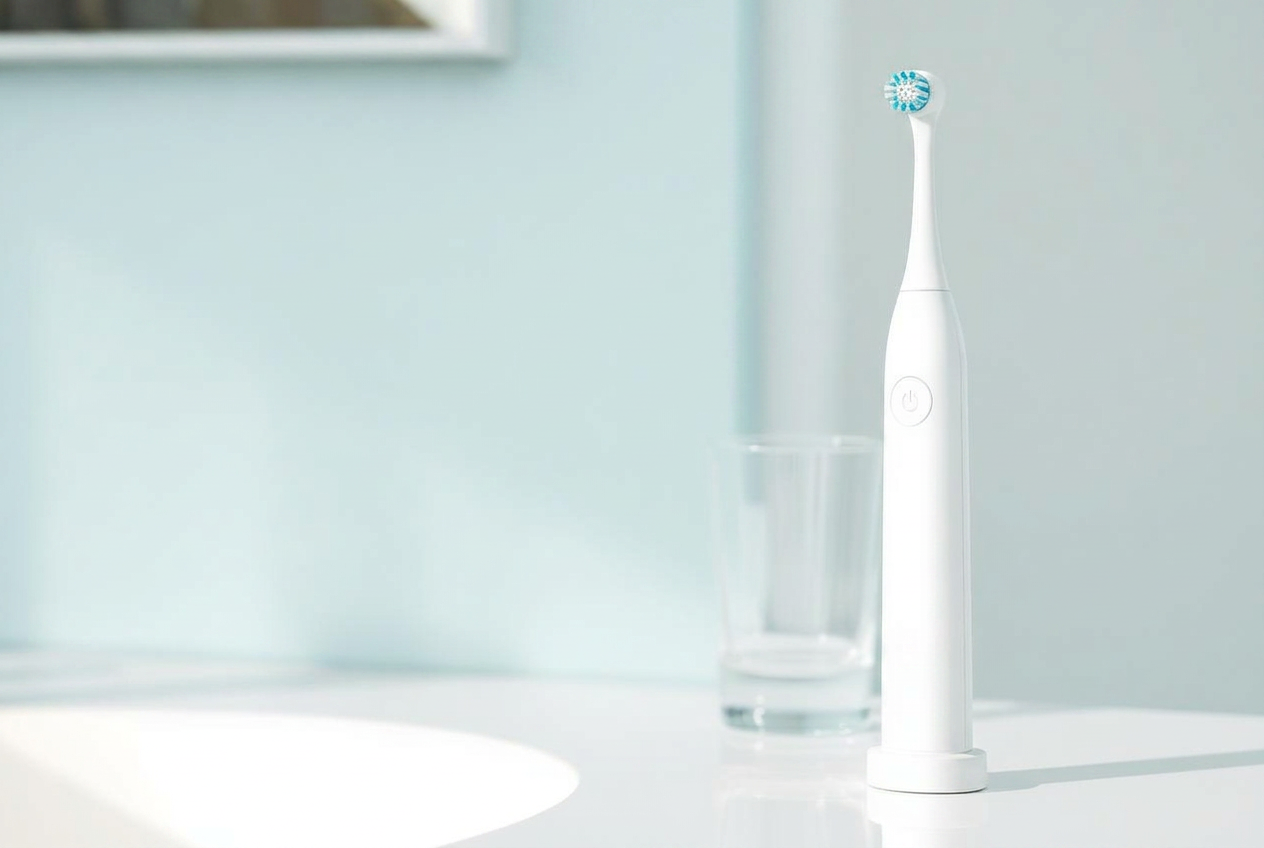
The best electric toothbrush under 50 US dollars uses sonic vibration at 30,000 to 40,000 brush strokes per minute, an integrated 2-minute quad-timer that pulses every 30 seconds, a built-in rechargeable lithium battery, and end-rounded DuPont nylon bristles. Fairywill Sonic, Bitvae D2, and Aquasonic Black Series are the three most rebought under-50 picks and each has independently tested to remove more plaque than a manual brush.
You do not need a bluetooth app, position sensors, or a subscription refill service to get dental-grade cleaning. Those add cost, not brushing quality.
Why an electric brush wins even at the entry level
A manual toothbrush delivers around 300 strokes per minute when used correctly. A sonic electric brush delivers 30,000 or more. That gap alone removes measurably more plaque per session in every published Cochrane review of the category. The 2-minute timer also solves the hidden problem: most manual brushers stop at 40 to 60 seconds, less than half the dentist-recommended duration.
Sonic vs oscillating rotary at this price
Sonic (vibrating)
High-frequency side-to-side motion of a full-size brush head. The vibration drives micro-bubbles between teeth, which is what makes sonic feel gentler on gums while still cleaning tight spaces. Every well-reviewed under-50 model is sonic; the technology has dropped dramatically in cost.
Oscillating rotary (spinning)
Small round head that rotates back and forth around each tooth. Extremely effective but the strong sensation on gums takes getting used to. Under 50 US dollars, oscillating models tend to be older Oral-B Pro-Health units on sale; they clean well but often lose the built-in timer at this price.
The four specs that matter under 50 US dollars
1. Real 2-minute quad-timer
The brush should shut off automatically at 2 minutes and pause briefly every 30 seconds so you shift to the next quadrant. Without a real quad-timer, you cannot know if you are brushing evenly.
2. Rechargeable lithium battery, not AA
Batteries labeled "battery-powered" that take replaceable AA cells lose motor speed as they drain, which is misleading marketing. A built-in lithium cell holds full torque until minutes before dead and charges from a USB base. Look for 2 to 4 weeks of runtime per charge.
3. Soft DuPont bristles with rounded tips
Cheap non-rounded bristles scratch enamel and abrade gum tissue over years. DuPont Tynex nylon with rounded end profiles is the industry standard and shows up in every reputable spec sheet.
4. Widely available replacement heads
Some cheap brands lock you into proprietary heads with poor stock. Verify that replacement heads are available in packs of 8 or more on the same marketplace listing before buying.
Nice-to-have features worth checking
- Pressure sensor: alerts you when you press too hard. Rare under 50 US dollars but Fairywill and Bitvae include it on some models.
- Travel case: hard shell case if you commute or travel often.
- Multiple modes: Clean, Sensitive, Whitening, Massage. Realistically most users pick one and stay there, so more modes are not a decisive feature.
- USB-C charging: now standard on newer 2025 to 2026 models; avoid old proprietary chargers.
Correct brushing technique
- Wet the bristles and apply a pea-sized amount of fluoride toothpaste (1,000 to 1,500 ppm).
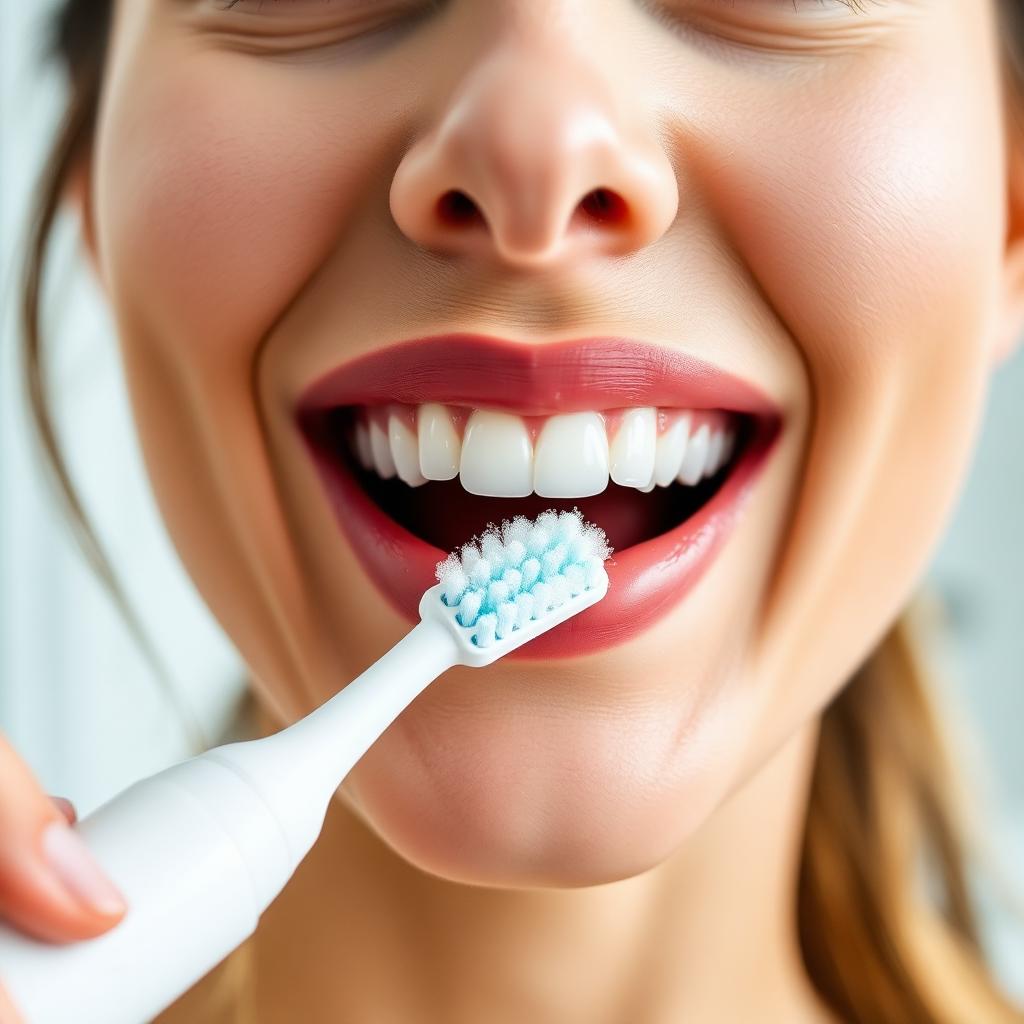
- Place the head at 45 degrees to the gumline before turning it on. This is the single biggest difference between good and average brushing.
- Turn on and let the vibrations do the work. Guide, do not scrub. Move tooth by tooth for 2 to 3 seconds each.
- Follow the quad-timer. 30 seconds each on upper-left, upper-right, lower-left, lower-right.
- Spit, do not rinse. Leaving a thin toothpaste film gives fluoride extra minutes of contact.
- Replace the head every 3 months or sooner if bristles flare.
Common mistakes
- Scrubbing back and forth. Lets the head buzz on one spot without moving.
- Pressing hard. Slows the motor and abrades gum tissue.
- Skipping the 45-degree angle. Bristles glide over teeth without cleaning the sulcus.
- Never replacing the head. Frayed bristles clean poorly and harbor bacteria.
Bottom line
A 30,000-plus stroke per minute sonic brush with a real quad-timer, a built-in lithium battery, DuPont bristles, and cheap widely-stocked replacement heads is all you need under 50 US dollars. Skip the app and the subscription and put the savings into replacement heads and a fluoride toothpaste you like.