Quick Answer
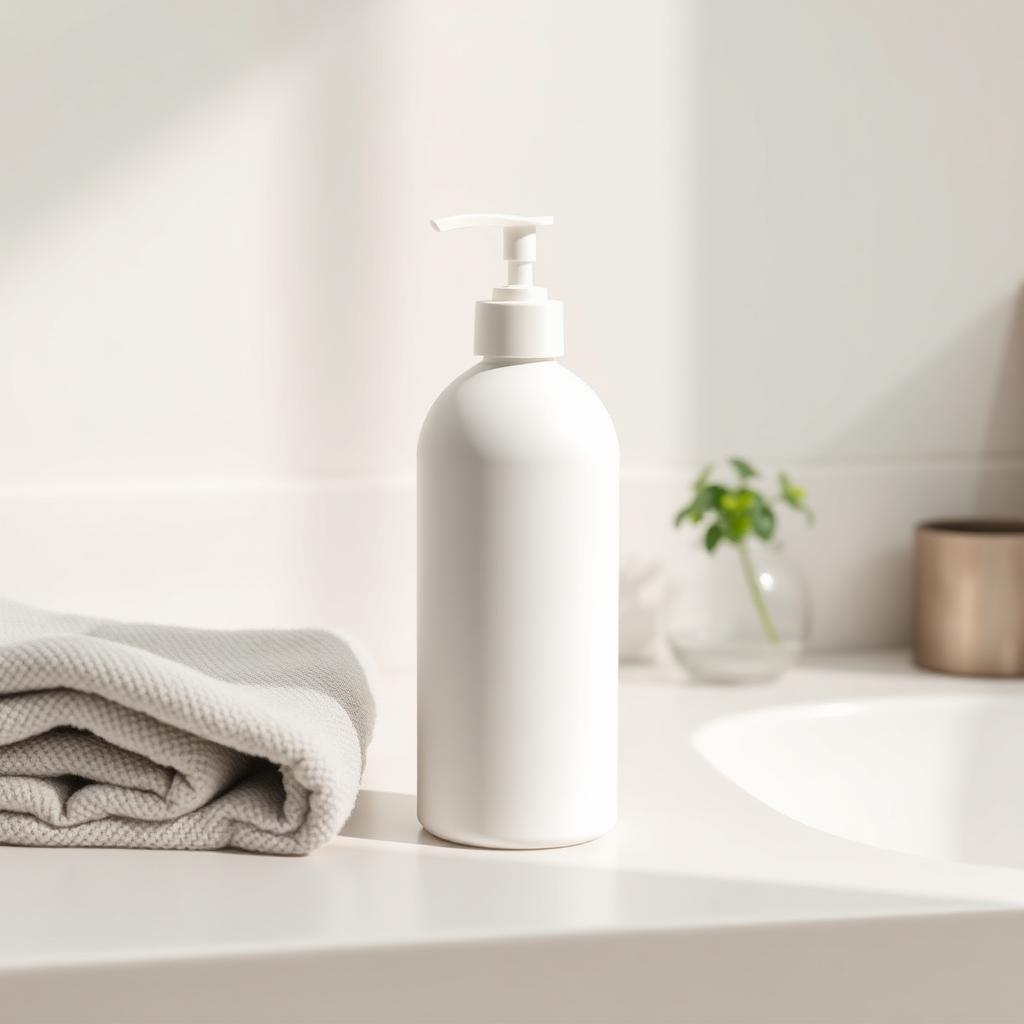
The best dry shampoo foam for cats is a rinse-free feline mousse built on plant-derived surfactants (like coconut or apple aminos), natural enzymes, zinc odor neutralizers, and hydrolyzed silk protein, dispensed as an instant aerated foam from a pump. It cleans between full baths, spot-treats litter dust and light odors, and is fully lick-safe once it dries.
Cats mostly hate water. A waterless foam is the practical alternative for the 95 percent of days a full bath is unnecessary.
When dry shampoo foam actually helps
- Litter dust in the britches and belly fur.
- A greasy stud tail base between full baths.
- Elderly or arthritic cats who cannot tolerate a wet bath.
- Kittens too young for a full immersion.
- Post-outdoor grime on an indoor-outdoor cat.
- A quick refresh before a photo, a vet visit, or a house guest.
What it does not do: replace a real bath on a heavily soiled coat or clear an active skin infection. It is a maintenance tool, not a medical one.
What to look for in a good formula
- Plant-derived surfactants. Coconut- or apple-based cleansers lift dirt without residue.
- Enzymes and zinc. Break down odor molecules chemically instead of masking them.
- Hydrolyzed silk or oat proteins. Restore softness in fine coats.
- Panthenol (pro-vitamin B5). Humectant that improves shine.
- Fragrance-free or ultra-mild botanical scent. Cats are scent-sensitive. Chamomile is fine; strong floral is not.
- Non-toxic, lick-safe certification. The cat will lick their coat within an hour of application.
Ingredients to skip
- Alcohol (isopropyl or SD alcohol). Dries feline skin and stings.
- Parabens and phthalates. Not lick-safe.
- Strong artificial fragrance. Triggers stress and respiratory irritation.
- Tea tree, pennyroyal, or eucalyptus oils. Toxic to cats.
- Sodium lauryl sulfate. Too harsh for feline skin.
Foam vs powder vs spray
- Foam mousse. Most controllable. Instantly aerated so it applies evenly and towels off cleanly.
- Powder (starch-based). Absorbs grease well but leaves visible residue on dark coats and can trigger sneezing.
- Aerosol spray. Fast but the propellant sound scares many cats. Skip.
Foam wins for the average household cat.
Step by step: how to use it
- Brush first. Loose hair traps foam. Two minutes of brushing before the pump makes the whole session cleaner.
- Warm your hands. Cold foam surprises the cat.
- Dispense onto your palm. One to two pumps for a small cat, three to four for a large long-hair. Do not spray directly onto the cat's face.
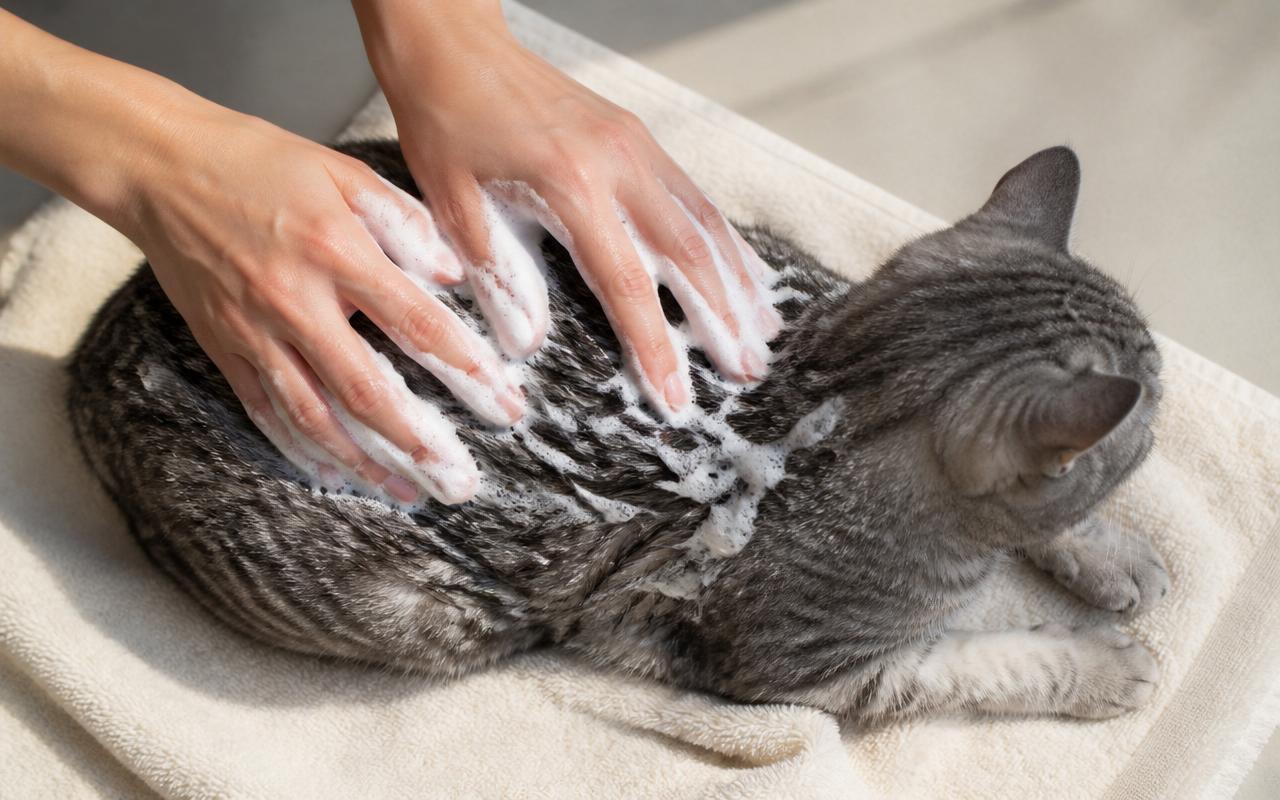
- Massage in with the grain. Work the foam into the fur in the direction of hair growth. Focus on greasy or dusty areas.
- Skip the face and ears. Wipe the muzzle separately with a plain damp cloth if needed.
- Towel-dry gently. A soft microfiber cloth pressed, not rubbed, along the coat.
- Brush again after drying. Restores the lay of the coat and removes any lifted debris.
- Reward. Foam sessions should end on a treat so the cat associates the pump sound with a positive event.
How often to use dry shampoo foam
- Every 1 to 2 weeks. Maintenance for a healthy indoor cat.
- Every 3 to 4 days. For a senior cat with reduced self-grooming or a stud tail.
- As needed. After outdoor adventures or a litter-tray accident.
- Do not use daily. Even mild surfactants strip natural skin oils over time.
Common mistakes
- Skipping the pre-brush. Foam plus loose hair equals a sticky mess.
- Spraying foam directly at the face. Never.
- Using human dry shampoo (talc, alcohol, fragrance). Toxic.
- Over-application. More foam does not mean more clean; it means residue.
- Rubbing with a towel instead of pressing. Rubbing tangles long coats.
Bottom line
The best dry shampoo foam for cats is a rinse-free feline mousse with plant-based surfactants, natural enzymes, and hydrolyzed silk, delivered as an aerated pump foam and free of alcohol, strong fragrance, and essential oils. Use it once every 1 to 2 weeks on a pre-brushed coat, work with the grain, press-dry with a microfiber towel, and reward with a treat. It replaces most of your full baths and keeps your cat clean without water fights.