Quick Answer
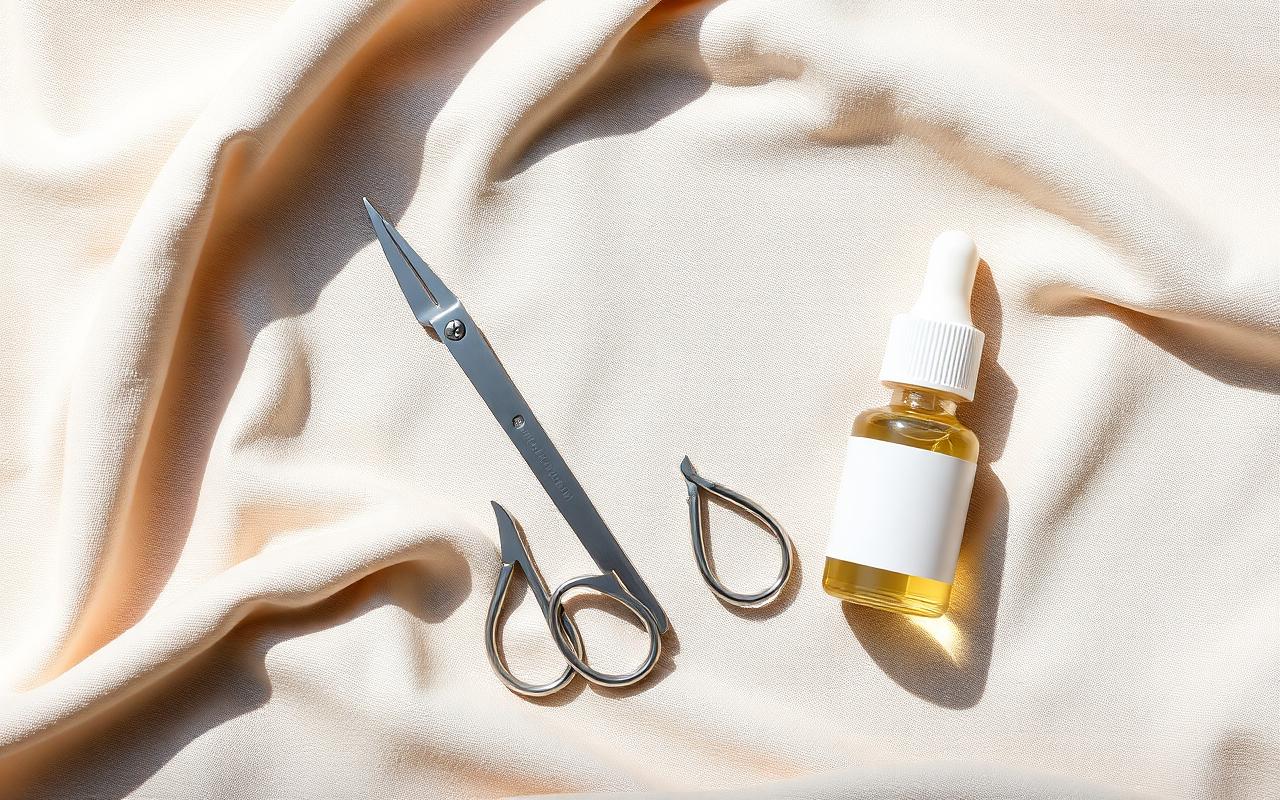
The best cuticle care kit for home pairs three things: a dual-ended surgical stainless steel cuticle pusher (spoon on one end, scraper on the other), precision-jaw cuticle nippers with a 1/2 jaw size, and a nourishing cuticle oil in a brush or dropper. Tweezerman, Rubis, and Bell Manicure produce the three sets most professionals recommend for at-home use.
The cuticle is a living seal at the base of your nail plate that keeps water, dirt, and bacteria out of the nail matrix. Cutting it away invites hangnails, redness, and paronychia infections. Good home care softens, pushes back, and trims only loose dead tissue.
What a cuticle actually is
Two structures share the "cuticle" name. The eponychium is the live skin fold at the base of the nail; it should never be cut. The cuticle proper is the thin, translucent layer of dead skin cells the eponychium sheds onto the growing nail plate. That dead layer is what you gently push back and trim.
Cutting the eponychium breaks the biological seal. Every professional standard, from the American Academy of Dermatology to state cosmetology boards, warns against it.
The three tools that actually matter
1. Dual-ended stainless steel cuticle pusher
The spoon end is contoured to match the natural nail curve. Look for a mirror-polished surgical stainless steel head; painted or coated pushers scratch and shed metal flakes. The flat opposite end acts as a scraper for the dry cuticle veil that clings to the nail plate.
2. Precision-jaw cuticle nippers
Jaw size is a real specification. A 1/4 jaw is for tiny detail work, 1/2 jaw is the ideal all-round home size, and full jaw is aggressive and best left to professionals. Sharp, aligned blades snip loose hangnails in one clip without pulling live skin. If the blade edges look ground rather than mirror-polished, keep looking.
3. Hydrating cuticle oil
The finishing step, and the one most home users skip. Look for a jojoba oil or sweet almond oil base with added vitamin E. Skip mineral oil pens; mineral oil coats the surface but does not penetrate. A brush cap or dropper is easier to control than a rollerball, which drags residue across the nail.

Safe home routine
- Soak. Immerse fingertips in warm soapy water for 3 to 5 minutes, or apply a drop of cuticle remover gel and wait 60 seconds.
- Push back gently. Hold the spoon end flat to the nail plate at roughly 25 degrees. Move in tiny circles toward the base of the nail. Stop the moment you feel resistance from live skin.
- Scrape the veil. Flip the tool to the flat end and gently scrape any dry cuticle film still stuck to the plate.
- Trim only loose tissue. Sight down the blade line. Snip only skin that already lifts free of the nail; anything anchored to living tissue stays.
- Rinse and dry. Wash off any remover gel to stop its softening action.
- Oil. Apply one drop to the base of each nail and massage in. Reapply every night, especially in dry months.
Sterilization matters
Cuticle tools contact live skin and occasionally draw blood. Between uses:
- Wipe blades with 70% isopropyl alcohol after every session.
- Deep-clean weekly: submerge in barbicide solution for 10 minutes or in isopropyl alcohol for 20 minutes. Air dry.
- Never share tools with family; nail fungus, warts, and hepatitis viruses transmit through unsterilized manicure tools.
- Replace nippers when the blades no longer close cleanly. A dull nipper crushes skin instead of cutting it.
Signs to stop and see a professional
- Redness, warmth, or throbbing pain around a nail (possible paronychia).
- Yellow or green discoloration under the plate (possible bacterial or fungal infection).
- Repeated hangnails despite a good routine (often a nutritional biotin or iron deficiency).
Common mistakes
- Cutting into live skin. The single most common cause of hangnails.
- Skipping the oil step. Dry cuticles crack the same night.
- Reusing dull nippers. Tissue tears instead of clipping cleanly.
- Working on dry cuticles. Always soak or use remover gel first.
Bottom line
Buy a mirror-polished surgical stainless steel pusher, a 1/2 jaw nipper from a known manicure brand, and a jojoba plus vitamin E oil. Soften, push back, trim only loose tissue, and oil daily. Your cuticles will stay tight, hangnail-free, and infection-resistant.