Quick Answer
The best crystal hair eraser is a nano-etched glass pad set into an ergonomic resin handle, used in small circles on clean, dry skin. It clumps and breaks fine body hair at the surface while gently exfoliating dead cells. It is not laser, it is not waxing, and it does not touch the root.
Once you know what it is and is not, it becomes a genuinely useful shower-shelf tool for arms, lower legs, stomach, and back. On coarse bikini hair, it is not the right answer.
What the tool actually does
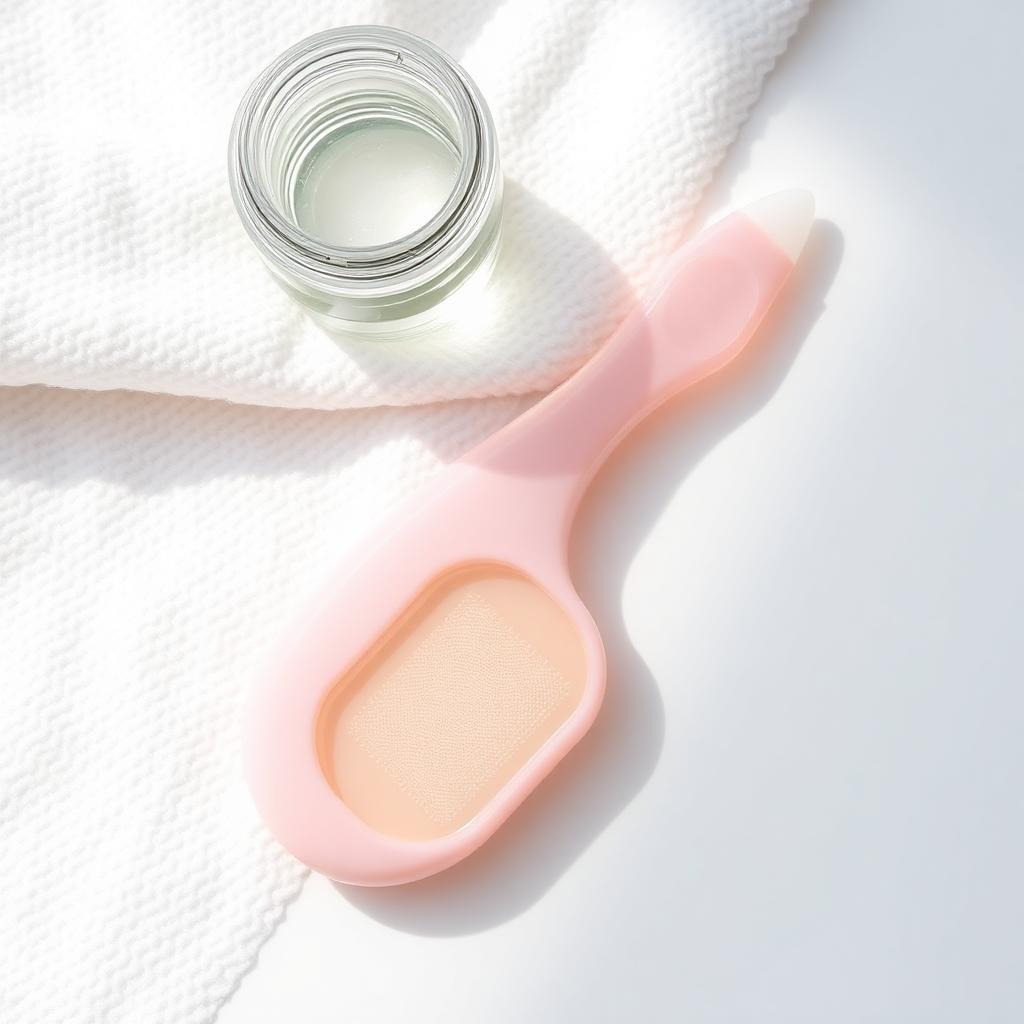
The face of the eraser is glass or hard resin etched with microscopic ridges you can feel with a fingertip. Rubbed in a circular motion, the ridges catch fine hair, twist it, and snap it off flush at the skin. Dead surface cells come along for the ride, which is why the skin feels polished afterward.
It does not pull the hair from the root, which is why regrowth is soft (no blunt razor tip) but also fast (2 to 5 days on the legs). Anyone selling it as permanent is selling something else.
What a good eraser looks like
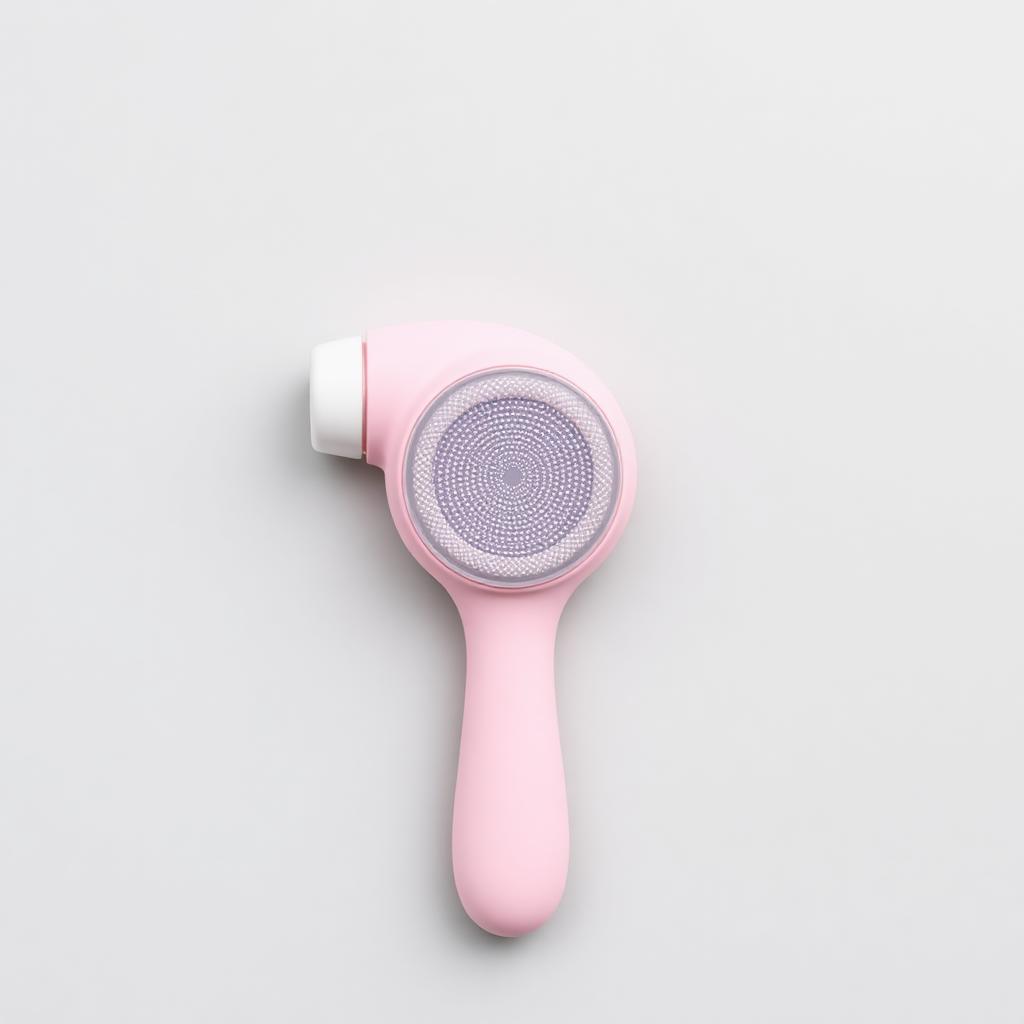
- Nano-etched glass or hard resin pad. A smooth plastic disc will do nothing.
- Rounded edges on the pad. Corners catch and scratch.
- Ergonomic contoured handle. A flat disc is fine on the arm; it is miserable on the lower back.
- Removable or wipeable pad. Hair and skin debris pack the ridges after two uses.
Step by step: how to use it without irritation
- Shower first. Clean pores, no lotion or oil on the skin.
- Pat dry completely. The eraser needs dry friction; wet skin drags.
- Move in small light circles. The size of a coin. Not straight strokes.
- Do not press. Weight of the tool is enough. Pressing turns exfoliation into abrasion.
- Wipe the pad every 30 seconds. Clogged ridges stop working and start scratching.
- Rinse the skin. Loose hair and dead cells wash off in cool water.
- Moisturize. Ceramide cream, then sunscreen the next morning if the area sees light.
Where it works and where it does not
- Great: lower legs, forearms, stomach, upper back.
- Fine with care: shoulders, chest, feet.
- Skip: face and neck (too abrasive), bikini line (hair too coarse, skin too thin), underarms (folds catch), any moles or raised marks, any active acne or open skin.
Common mistakes
- Pressing hard, expecting more hair off. You get less hair off and more redness.
- Using on wet skin. Ridges slide instead of catching.
- Straight scrubbing strokes. Circles are the whole trick.
- Long sessions. Ten minutes on one leg is a chemical burn substitute.
- Skipping moisturizer. Freshly exfoliated skin loses water fast.
- Sharing the pad. Skin cells and bacteria; use your own.
How often to use it
Twice a week on the legs is a comfortable ceiling. Once a week on the stomach or back. If your skin flushes and stays warm for more than an hour after a session, you did too much; back off pressure and shorten the time on the next round. On sensitive or eczema-prone skin, start once every ten days and see how the barrier tolerates it.
Bottom line
A crystal hair eraser is a surface-level combo tool: it snaps fine body hair off at the skin and polishes at the same time. Nano-etched pad, ergonomic handle, dry skin, small circles, light pressure, moisturize after. Treat it like a body exfoliator that happens to remove peach fuzz, not like a permanent hair removal device.