Quick Answer
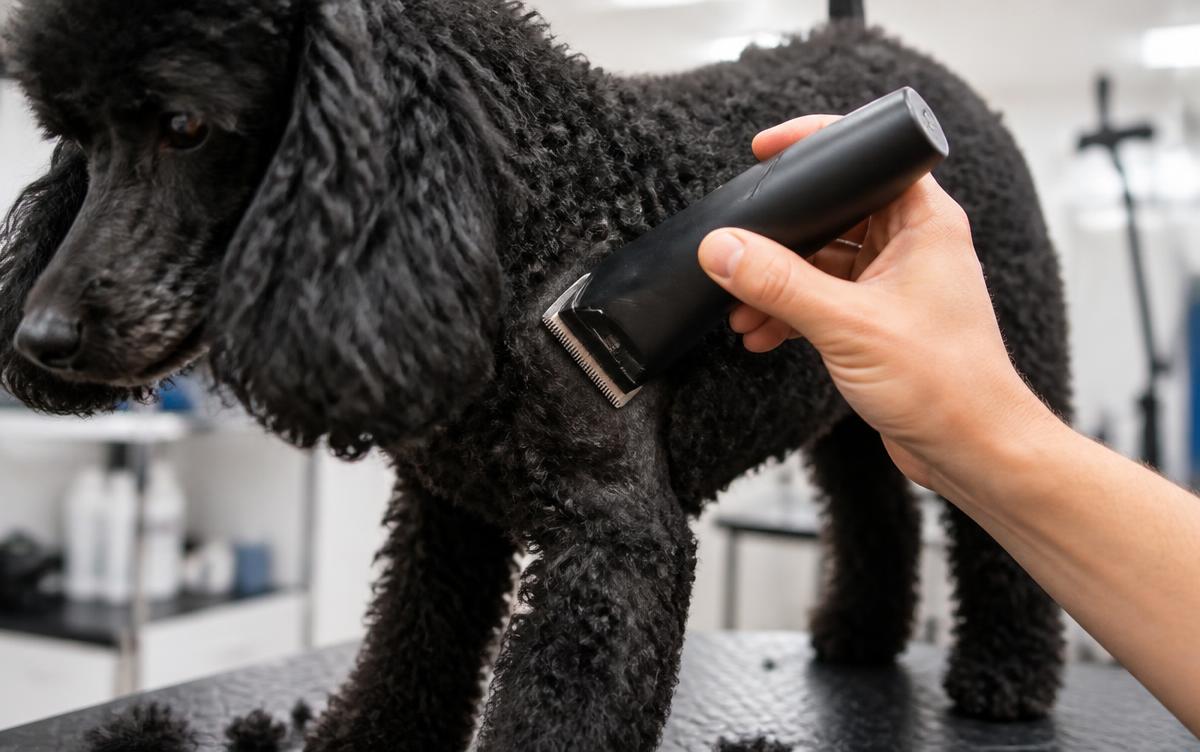
The best clipper blade for thick coats is a skip-tooth blade like a #5 or #4S for roughing out dense bulk before the bath, paired with an UltraEdge full-tooth blade like a #7F or #4F for the smooth finish afterward. A ceramic cutter over a steel base plate runs significantly cooler than all-steel, which is what your dog's skin cares about during long sessions.
Poodles, Goldendoodles, heavy Terriers, Chow Chows, and coated retrievers all fight a standard fine blade. Match the blade to the coat and the clipper stops stalling.
Full-tooth vs skip-tooth: what actually differs
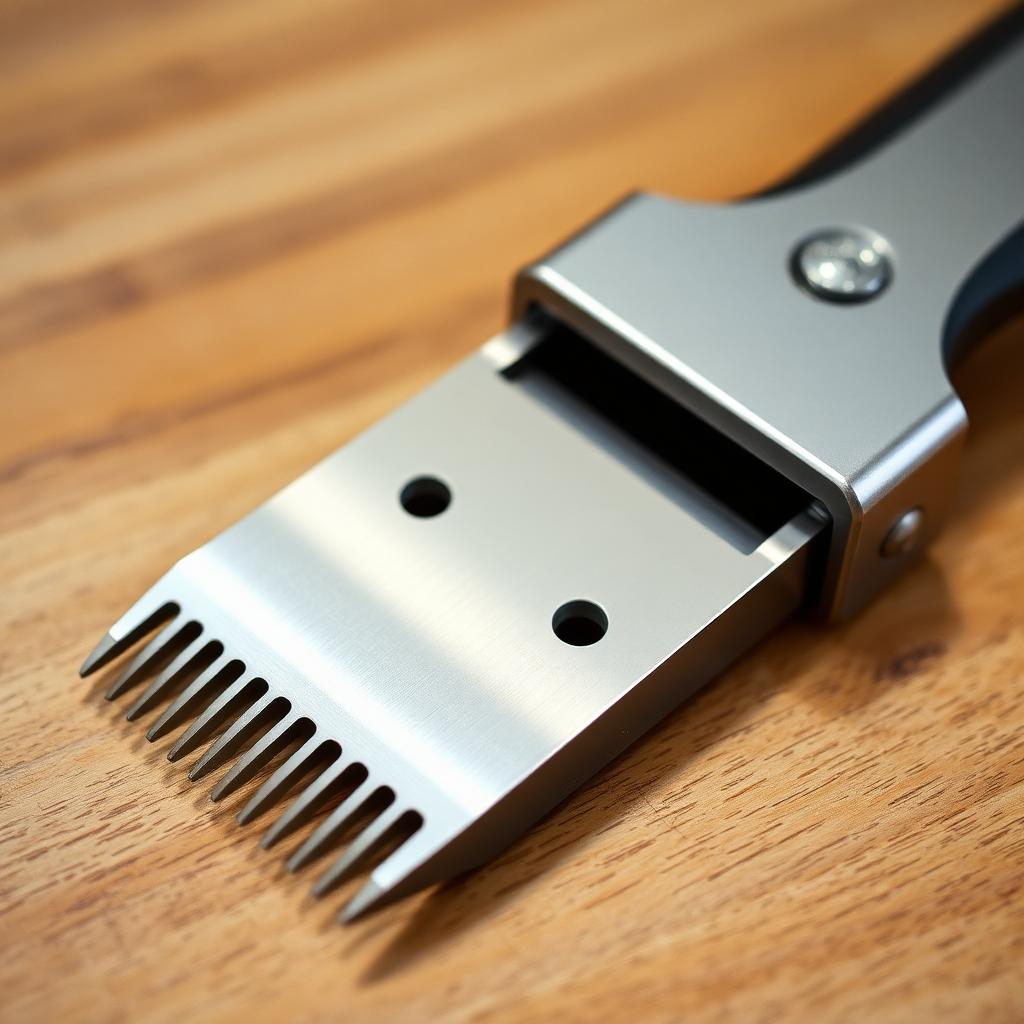
Every A5 detachable blade uses the same base attachment, but the cutting teeth come in two patterns.
- Full-tooth ("F" blades). Every tooth is present, evenly spaced. Cuts a smooth, finished surface. Best used on damp or dry pre-brushed coats. Examples: #7F, #4F, #5F.
- Skip-tooth (no "F"). Every other tooth is shorter or absent, creating wide gaps that let dense hair enter. Cuts faster but leaves a rougher surface and is more likely to catch skin folds. Best used dry on thick coats to bulk-remove length before a bath. Examples: #5, #4, #7.
On a heavy coat, skip-tooth first and full-tooth for the finish is the standard workflow. Never use skip-tooth on loose skin (Bulldogs, Shar-Pei, older dogs); the wide teeth can catch and nick.
Blade numbering: what "cut length" means
Blade numbers describe how much hair is left after the cut, not the size of the teeth. Lower number = longer hair left. Approximate remaining lengths:
- #40 to #30: shaving blades, near skin. Surgical or hygiene only.
- #10: about 1.5 mm remaining. Sanitary, paw pads, necklines, and belly.
- #7F: about 3.2 mm. Neat short body finish.
- #5F: about 6.3 mm. Medium body length.
- #4F: about 9.5 mm. Plush finish on Doodles.
- #3F: about 13 mm. Longest true blade before you switch to snap-on combs.
Ceramic vs steel cutters
- All-steel cutter. Cheaper, sharp, but heats up quickly (over 115 F within 5 to 10 minutes of continuous use). You will need to swap blades or spray coolant often.
- Ceramic-over-steel cutter. Ceramic conducts heat poorly, so the blade stays cool longer. Slightly less aggressive edge, but the temperature difference is what your dog notices.
For long sessions on a heavy coat, ceramic is worth the extra cost. For quick tidies, steel is fine.
Snap-on combs for the longest lengths
Instead of buying a #3F or longer, most groomers pair a #30 blade with plastic or metal snap-on comb attachments. A single #30 plus a set of combs covers lengths from 3 mm to 32 mm at a lower total cost than buying every blade number.
Recommended workflow for a thick coat
- Brush and detangle dry first. Every mat must be gone before clipping. A blade on a mat is dangerous and painful.
- Rough in dry with a skip-tooth blade. Take the bulk down to about twice your finish length using a #5 or #4 skip-tooth. Go with the grain.
- Bath and blow-dry. A clean, dry coat cuts cleaner than a dirty one.
- Finish with a full-tooth blade. Switch to #7F or #4F and cut with the grain for a smooth surface.
- Detail with a #10. Sanitary, paw pads, and belly.
Blade care that makes them last
- Brush off hair every few passes. Packed hair between teeth is what pulls and stalls.
- Spray coolant during the session. Every 5 minutes of continuous use, cool and lubricate.
- Wipe and oil after each groom. A drop of clipper oil on the teeth prevents rust.
- Sharpen when tugging starts. Send blades out for professional sharpening every 6 to 12 months of regular use.
Common mistakes on thick coats
- Clipping over mats. The blade pulls, the dog jumps, someone gets nicked. Detangle first.
- Using a full-tooth blade to remove heavy bulk. It stalls and heats. Skip-tooth is the tool for that job.
- Cutting against the grain. Fine on some finishes but not on the first pass; it creates line marks.
- Ignoring blade temperature. Check the blade on your wrist every 5 minutes.
Bottom line
The best clipper blade for thick coats is a two-blade system: a skip-tooth (#5 or #4) for pre-bath bulk removal, and an UltraEdge full-tooth (#7F or #4F) for the finish. Choose ceramic cutters for long sessions. Keep the blade clean, cool, and sharp, and a heavy coat becomes routine.