Quick Answer
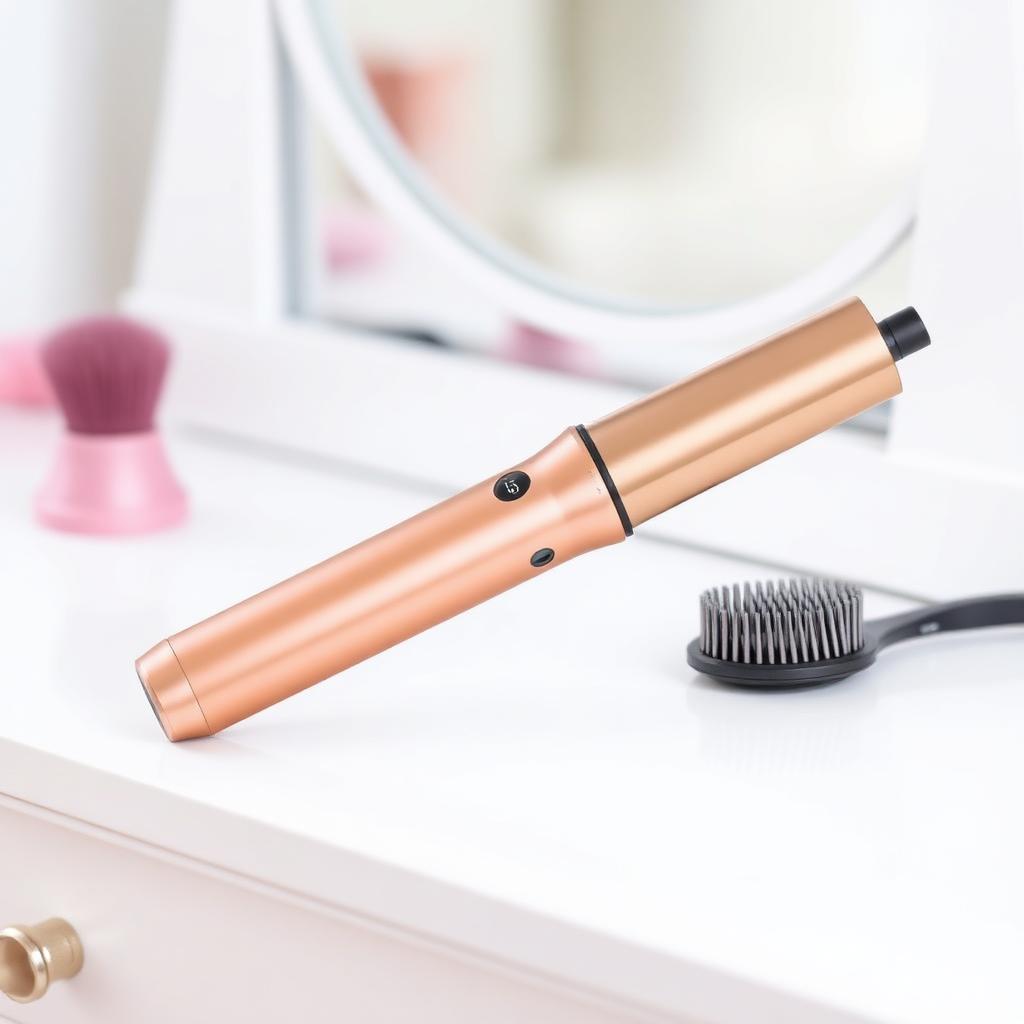
The best automatic hair curler is a self-rotating ceramic barrel with three temperature settings, three timer settings, and an anti-tangle reverse sensor. You feed a thin section into the bowl, close the arm, and the machine wraps and heats the strand to a preset shape. A beep tells you when to release.
The tool solves one problem: consistency. Manual wands vary the curl size every time your wrist moves. An auto-curler makes 40 curls that all look the same.
Why the auto-curler beats a wand for beginners
Curling by hand needs three simultaneous skills: even tension, steady wrist speed, and consistent hold time. Miss any one, and the curl at the front looks nothing like the curl at the back. The auto-curler removes two of the three variables. The rotation speed and hold time are fixed at the setting you pick, so as long as the section is a consistent thickness, the curl is a consistent shape.
The reverse sensor is the other invention that matters. Ordinary curling barrels tangle catastrophically. An auto-curler stops and reverses when the sensor detects the section is caught, so a tangle un-wraps instead of ripping out.
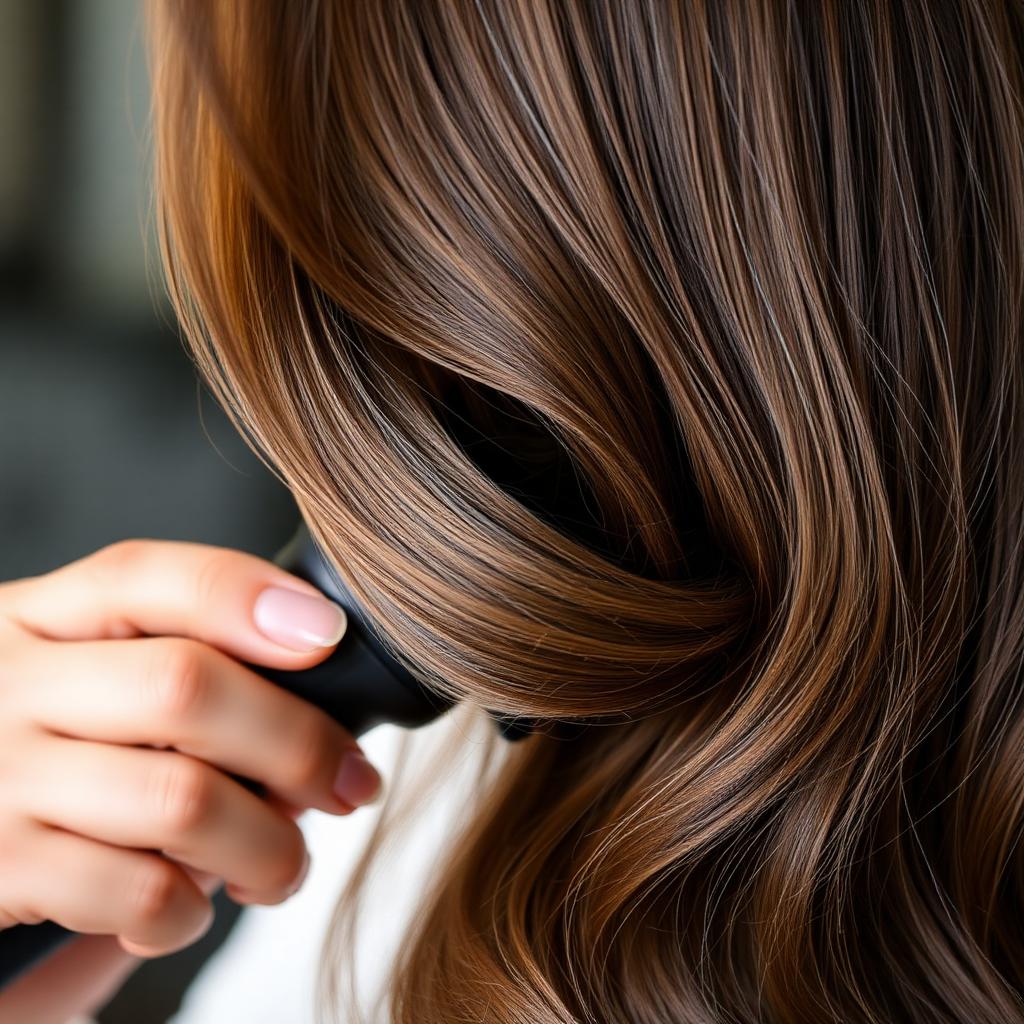
What a good auto-curler looks like
- Ceramic or titanium bowl chamber. Even heat, no cold spots at the tip.
- Three heat settings. 320, 375, 410 F is the standard grid.
- Three timer settings. Loose wave, defined curl, tight ringlet.
- Left and right rotation. Alternate directions for a natural, non-uniform finish.
- Anti-tangle reverse sensor. Non-negotiable safety feature.
- Cool tip and safety lid. The barrel is inside a bowl; skin never touches metal.
Step by step: getting a consistent curl
- Start with dry, brushed, tangle-free hair. Any knot is a jam.
- Mist a heat protectant mid-length to ends. Uniform spray, not a soaking.
- Section into four zones and clip. Work the nape first.
- Pick a section about the width of your thumb. Thicker snags; thinner over-curls.
- Feed the section into the chamber and close the arm. Let the tool pull, do not push.
- Wait for the beep. Do not open early; the curl has not set.
- Release straight down. Let the curl fall into your palm.
- Alternate direction every section. One left-rotation, one right; keeps the finish looking natural.
How to match settings to your hair
- Fine, easy-to-curl hair: 320 F, 8 second timer. Waves that fall out is what you want; you can always redo them.
- Medium hair, wants beach waves: 375 F, 10 second timer, alternate direction.
- Thick coarse hair: 410 F, 12 second timer, feed thinner sections.
- Curly hair looking for definition: use manual wand instead; auto-curlers pull curly patterns straight before curling.
Common mistakes
- Feeding a wet or damp section. Steam explosion; the tool jams and the hair breaks.
- Overloading the chamber. Section wraps unevenly and half the strand is straight.
- Curling in one direction only. Result looks manufactured, not styled.
- Combing curls immediately after release. Wait a minute for the curl to cool and set.
- Skipping heat protectant. Auto-curlers make constant contact; the cuticle takes the full heat.
Care and product life
Wipe the chamber weekly with a damp cloth after the tool is fully cold. Product build-up inside the chamber changes the heat contact and slowly ruins the curl shape. Never spray anything directly into the chamber; the sensor is inside. Store with the arm closed and the cord loosely looped. A quality auto-curler lasts 4 to 6 years of weekly use.
Bottom line
A ceramic bowl chamber, three heats, three timers, anti-tangle reverse. Thin sections, alternate direction, wait for the beep. It will not replace a hairstylist for a wedding updo, but it will make Monday-through-Friday curls look identical, which is exactly what most people wanted from a wand and never got.