Quick Answer
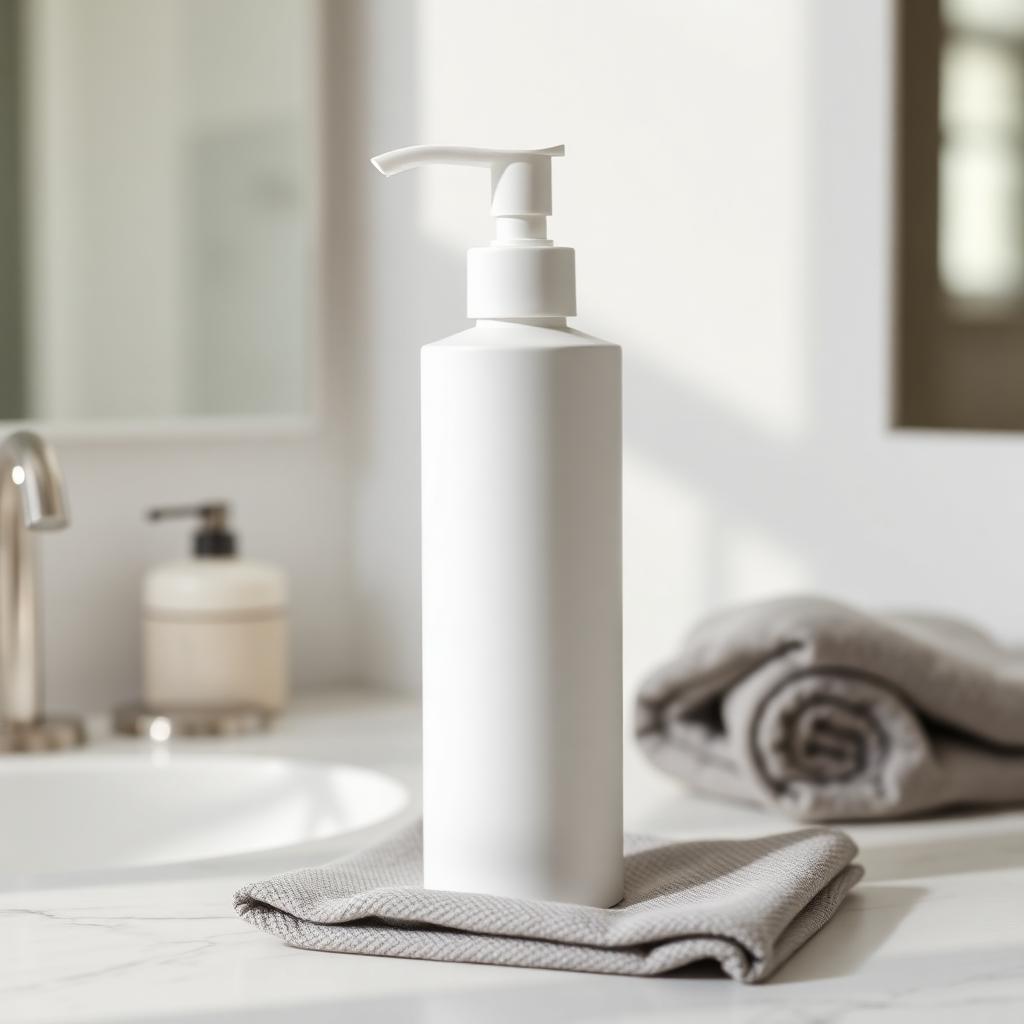
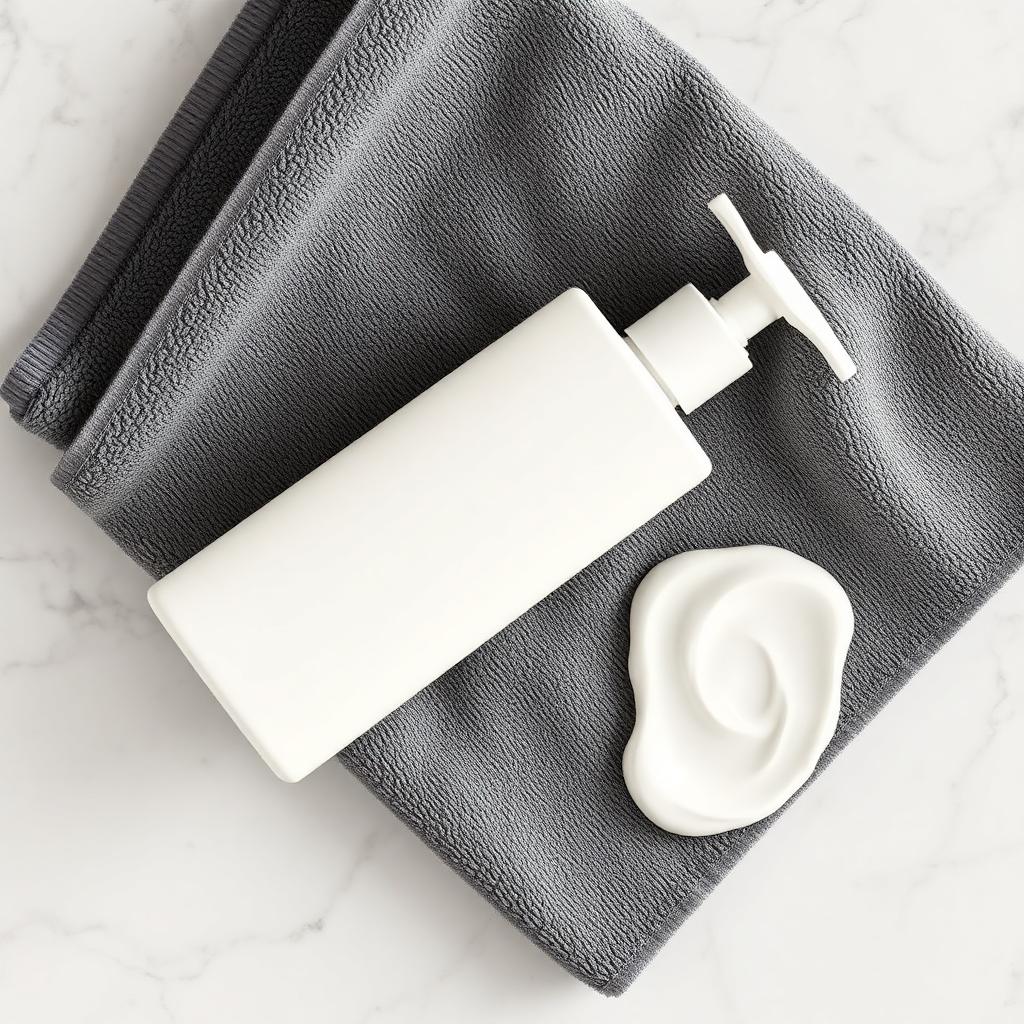
The best anti-chafing body powder is a talc-free liquid-to-powder lotion built on cornstarch, arrowroot, and kaolin clay, with calamine or zinc oxide for calm. It applies as a smooth cream, dries down into a silky moisture-absorbing shield, and does not clump inside your shorts.
The old shaker cans of talc are done. Powder that clumps into gritty pastes in a sweaty groin is worse than nothing.
What actually causes chafing
Chafing is friction on skin that has been softened by sweat. The stratum corneum is a barrier of tightly packed dead cells; when it soaks up moisture, those cells swell and lose their grip on each other. Any repeated skin-on-skin or skin-on-fabric rubbing then tears the softened layer, which is what the red, hot, stinging rash actually is.
Weight, heat, tight clothing, long runs, and the shape of your inner thighs all raise the odds. The friction is not the enemy; softened skin plus friction is.
Why talc lost the argument
- Poor moisture control. Talc feels dry but does not absorb much water.
- Clumping. Wet talc turns into a gritty paste that adds friction.
- Historic asbestos contamination concerns. Regulatory pressure has moved most modern brands off talc altogether.
- Mess. Shaker clouds go everywhere in a bathroom.
What a modern anti-chafing formula uses instead
- Cornstarch and arrowroot powder. Rounded plant starches that absorb water without turning gritty.
- Kaolin clay. Draws sweat evenly, keeps the finish matte.
- Calamine or zinc oxide. Mineral calmers that soothe red irritated skin.
- Aloe vera and vitamin E. Barrier support so the skin recovers between workouts.
- Silica microspheres. Some brands add these for a truly silky feel.
Step by step: use it right
- Shower and towel dry fully. Especially skin folds. Wet skin will not seal.
- Dispense a dime to nickel-sized amount. Small. This stuff spreads.
- Apply thin. Inner thighs, groin folds, under the chest, under the arms if you chafe there.
- Wait 30 seconds. Let the lotion dry down into a powder finish.
- Dress in clean, dry cotton or a technical anti-friction fabric. Avoid soaking wet cotton on a long run.
- Reapply mid-day if you sweat through. A second application beats a rash.
Powder, lotion, balm, or spray
- Liquid-to-powder lotion. Cleanest for everyday use, best under clothing.
- Anti-chafe balm stick. Best for a single high-friction spot on a run; goes on greasy.
- Aerosol spray powder. Fastest coverage on the back and shoulders.
- Loose powder. Cheapest, messiest, still fine for cool low-sweat days.
Prevention that is not powder
- Compression shorts under regular shorts for runs over 30 minutes.
- Lose the wet gear the moment you finish a workout.
- Bathe with a mild non-drying wash, not a heavy foaming soap on already-irritated folds.
- Hydrate. Salt in the sweat is more abrasive when you are dehydrated.
Common mistakes
- Applying to wet skin. Cakes up instantly.
- Piling on a thick layer. Thin is better; the whole point is a dry film, not a poultice.
- Reusing sweaty gym shorts back to back without washing them. The salt is already there.
- Ignoring the rash for three days and then running again. Give an active flare a full rest day.
Bottom line
A talc-free liquid-to-powder lotion built on cornstarch, arrowroot, kaolin, and calamine is the modern answer. Pat the skin dry first, use a small dab, apply thin, wait 30 seconds, and dress. Reapply once mid-day if you sweat through. Chafing is preventable with 20 seconds of preparation.