Quick Answer
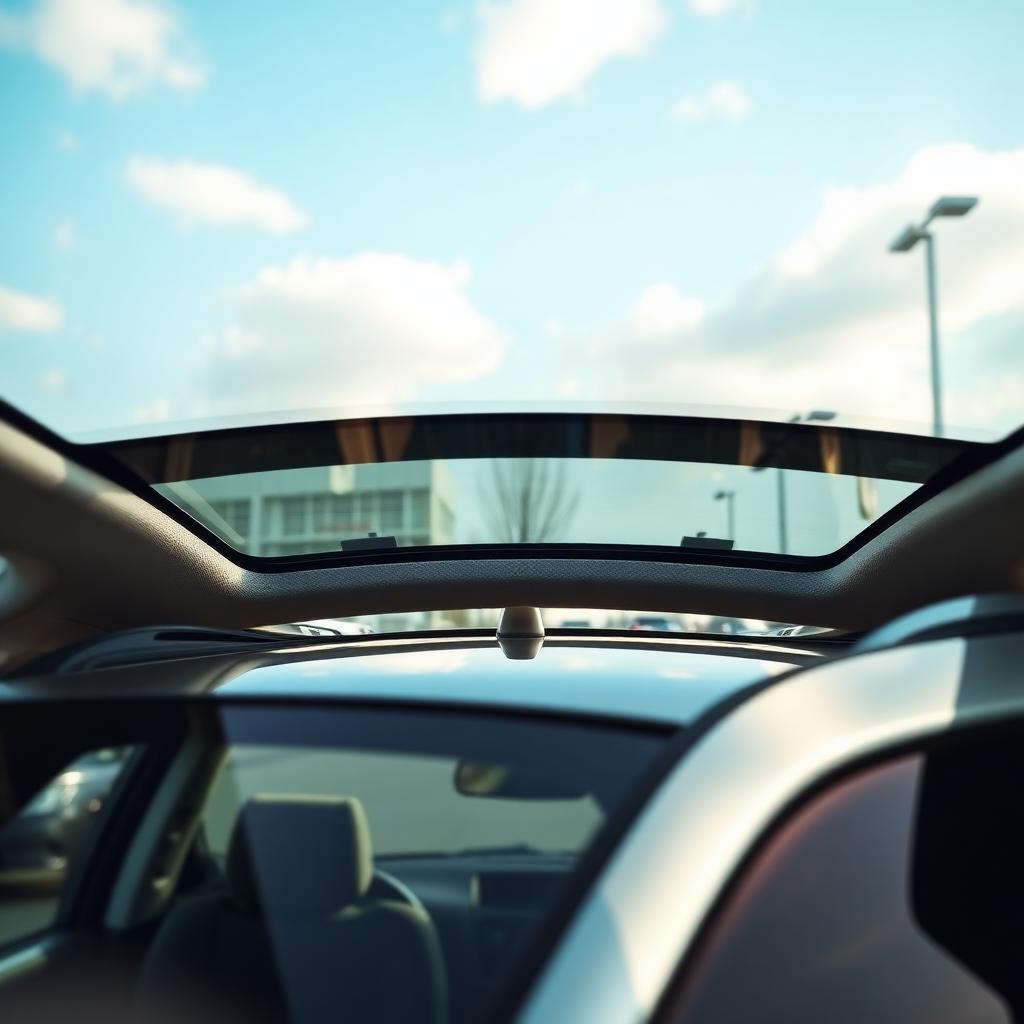
Subaru of America is recalling 69,663 vehicles from the 2026 Forester lineup because the power moonroof glass panel can separate from the sliding frame and fly off the vehicle while driving. The campaign covers 65,656 gasoline Foresters and 4,007 Forester Hybrids built between June 19, 2025 and March 17, 2026.
The defect traces back to a missing chemical primer on the bonding surface between the glass and the metal carrier, supplied by Webasto Roof Systems. Subaru begins mailing owner notification letters on July 24, 2026 and dealers will inspect and, if needed, replace the entire moonroof assembly free of charge.
What the recall actually covers
The campaign is filed with the National Highway Traffic Safety Administration and applies only to the redesigned sixth generation Forester. The affected production window runs from initial launch through March 17, 2026, with corrected assemblies coming off the line starting March 10, 2026. Vehicles built after that date with verified primer application are not part of the recall population.
Roughly 94 percent of the affected units are gasoline models and the remaining 6 percent are the new hybrid variant that Subaru introduced for the 2026 model year. Owners can confirm whether their specific VIN is included by entering it into the NHTSA recall lookup or Subaru's owner portal.
The technical cause: a missing primer layer
The moonroof on the 2026 Forester is a multi layer bonded assembly. A glass panel is adhered to a metal sliding carrier using a structural urethane adhesive, and that adhesive only achieves its full design strength when the metal surface is first treated with a chemical primer. The primer chemically prepares the carrier so the urethane can form a durable molecular bond.
On the affected batches the primer step was skipped at the supplier facility. The urethane still cures and the moonroof passes its initial assembly checks, but the bond is mechanical only. Over time, exposure to thermal cycling, vibration and highway wind pressure peels the adhesive away from the untreated metal and the entire glass panel can shear free of the carrier.
Real world risk
Subaru reports three verified field separations to date and no associated crashes or injuries. The risk profile is still serious. A detached glass panel becomes a road hazard for following vehicles at highway speed, and even partial separation produces wind noise, debris ingress and a sudden loss of cabin pressure that can startle a driver mid maneuver.
If you own an affected Forester, treat any new wind whistle around the headliner, rattling from the roof or visible gap at the panel edge as a reason to stop driving the vehicle on the highway and book an inspection.
The repair
The fix is straightforward at the dealer level. Technicians have been trained on a non destructive visual inspection that confirms whether the structural primer is present on the bonding surface. If primer is detected the moonroof is left alone. If primer is absent the entire moonroof glass assembly is replaced with a corrected unit, at no cost to the owner.
Subaru is asking owners to wait for their official notification letter before scheduling, since dealers need replacement inventory routed to them in priority order. Owners experiencing active symptoms can call the Subaru customer advocacy line and request expedited inspection.
How to check your VIN
Three quick ways to confirm exposure.
- Enter your 17 character VIN at the NHTSA recall lookup tool. Active campaigns show up within seconds.
- Sign in to Subaru's MySubaru owner portal, which mirrors the NHTSA data and links directly to your servicing dealer.
- Call your local Subaru retailer with your VIN. They can pull your record and confirm whether your specific build date falls inside the campaign.
What this means for Subaru
The Forester is Subaru's bestselling nameplate and the 2026 generation is critical to the brand's momentum, especially with the first hybrid variant in the lineup. A near 70,000 unit recall in the first year of production is a meaningful credibility test, but the issue is contained to a single supplier process step, the fix is well understood and the company is moving on a normal NHTSA timeline.
For owners, the practical answer is simple. Check your VIN, watch the headliner for any new noise or gaps, and book the free dealer inspection once your notification letter arrives in late July 2026.
Frequently asked questions
Is it safe to keep driving my 2026 Forester before the recall fix?
Subaru has not issued a stop drive order, which means routine driving is considered acceptable while you wait for your inspection. The agency's risk model weighs the small number of confirmed separations against the size of the population. Use common sense. Avoid highway speeds with the moonroof shade fully retracted in extreme heat, and skip car washes that use heavy overhead brushes until the inspection is complete.
Does the recall affect resale value?
Open recalls do show up on vehicle history reports and can briefly drag trade in offers. Once the inspection is logged in Subaru's system and the vehicle is either cleared or repaired, the recall closes against the VIN and the price impact reverses.
What if I bought my Forester used?
Recalls follow the VIN, not the original owner. Used buyers are entitled to the same free dealer repair. Update your address through the MySubaru portal so the official notification letter routes to you instead of the prior owner.
Will Subaru offer loaner vehicles?
Replacement moonroof assemblies are scheduled jobs, typically a half day at the dealer. Most retailers will offer a loaner or shuttle on request. Confirm when you book the appointment.
How this fits the wider 2026 recall picture
NHTSA tracked roughly 1,000 vehicle safety campaigns in the prior model year, the majority of them resolved through software updates or part replacements before any consumer incidents. The Forester moonroof case is a textbook example of the supplier auditing system working: a process deviation was caught, the population was scoped tightly to a known production window and the corrective action is on a normal timeline. Owners can keep using the vehicle in the meantime, watch for the symptoms the recall describes and book the free inspection once their notification letter arrives.