Quick Answer
Modern Honda vehicles do not use a fixed calendar service schedule. They use the Honda Maintenance Minder, an algorithm that tracks oil temperature, cold starts, and engine load to display a main code (A or B) and one or more sub codes (1 through 6) when service is due.
A = engine oil only. B = oil and filter plus a multi point inspection. Sub code 1 = tire rotation. 2 = engine and cabin air filters. 3 = automatic transmission or CVT fluid. 4 = spark plugs, valve clearance, and (on V6 belt engines) timing belt. 5 = engine coolant. 6 = rear differential fluid on AWD models.
As a sanity check, I still budget the major mileage milestones: oil and rotation around every 7,500 miles, filters and fluids around 30,000, transmission fluid around 60,000, and the timing belt overhaul on V6 engines at 100,000 to 105,000 miles.
How the Maintenance Minder actually works
The Maintenance Minder watches engine operating data, not the odometer. A car that lives on a 60 mile highway commute will see fewer alerts than one that does daily 2 mile cold start trips, even at the same mileage. When oil life drops to 15 percent, the dash shows the wrench icon along with the alphanumeric code that tells the technician exactly what to do.
After service, the technician (or I) reset the system through the dashboard menu so the algorithm starts a fresh interval. Never reset the Maintenance Minder without actually performing the listed service. The algorithm will not flag a missed item again, and the engine will run low on oil or coolant without warning.
Maintenance Minder code reference
- A: Replace engine oil only.
- B: Replace engine oil and oil filter. Inspect brakes, suspension, tires, exhaust, fluid levels, parking brake, and driveshaft boots.
- 1: Rotate tires and check pressures and tread condition.
- 2: Replace engine air filter and cabin air filter. Inspect drive belt.
- 3: Replace automatic transmission fluid or CVT fluid.
- 4: Replace spark plugs and inspect valve clearance. On V6 timing belt engines, replace the timing belt, tensioner, and water pump.
- 5: Replace engine coolant.
- 6: Replace rear differential fluid (AWD CR-V, Pilot, Passport, Ridgeline).
So a dashboard reading of B 1 6 means oil and filter, tire rotation, and rear differential fluid all at the same visit.
The mileage blueprint
If I want a quick budgeting view that does not depend on the algorithm, the following mileage map covers the typical Honda life cycle.
7,500 to 15,000 miles
- Engine oil and filter.
- Tire rotation and pressure check.
- Visual inspection of brake pads, parking brake, suspension boots, and lower radiator.
30,000 miles
- Engine air filter and cabin air filter.
- Inspect drive belt and accessory pulleys.
- AWD models: first replacement of rear differential fluid with Honda Dual Pump Fluid II or Honda HGO i-VTM4 fluid (depending on model year).
30,000 to 45,000 miles
- Brake fluid flush. Brake fluid is hygroscopic and absorbs moisture, which lowers boiling point and corrodes ABS modulators.
- Inspect rotors, calipers, and caliper slide pins.
60,000 to 75,000 miles
- Drain and fill automatic transmission fluid (Honda ATF DW-1 or HCF-2 for CVT).
- Avoid pressurized flush machines on Honda transmissions. Honda specifies a gravity drain and fill.
- Continue cabin and engine air filter replacements.
100,000 to 105,000 miles
- V6 engines (older Accord V6, Pilot, Passport, Ridgeline, Odyssey): timing belt, hydraulic tensioner, idler pulleys, and water pump as a package.
- Iridium spark plugs (most modern Hondas use long life plugs rated for around 100,000 miles).
- Inspect valve clearances and adjust if outside spec. A noisy top end at this mileage is usually a sign clearances are due.
- Replace engine coolant with Honda Type 2 long life coolant.
Why the V6 timing belt service is non negotiable
Most Honda V6 engines are interference designs. If the timing belt snaps, the pistons collide with the open valves and the result is a destroyed cylinder head, bent valves, and often damaged pistons. Replacing the belt before it fails is dramatically cheaper than rebuilding the top end.
While the front of the engine is open for the belt, I always replace the water pump, tensioner, idler pulleys, and accessory drive belt at the same time. The labor to access these parts is identical, so doing them together saves a second teardown a year later.
Severe service conditions that shorten intervals
Honda lists severe service conditions that compress the schedule:
- Repeated trips under 5 miles in cold weather (oil never reaches operating temperature).
- Trips under 10 miles in freezing weather.
- Extensive idling or stop and go driving in hot weather.
- Driving in dusty conditions.
- Towing a trailer or carrying heavy loads at high speed.
Under any of these conditions, I treat the Maintenance Minder as authoritative and supplement with earlier transmission and differential fluid changes.
The takeaway
The Honda Maintenance Minder is the daily driver of the schedule. I read the letters and numbers, do the listed work, and reset only after the work is done. The mileage blueprint above is the long horizon view that keeps me from being surprised by a 100,000 mile timing belt bill. Stay ahead of the rear differential fluid on AWD models and the transmission drain and fill at 60,000 miles, and a modern Honda will return the favor with a quarter million reliable miles.
Approximate service costs at an independent shop
Sticker shock at the dealer drives a lot of owners to independent shops. These are the typical 2026 prices at a reputable independent that uses genuine Honda fluids:
- Oil and filter (full synthetic 0W-20): $55 to $85.
- Tire rotation: $25 to $40 (often free with oil change).
- Engine and cabin air filters together: $60 to $110.
- CVT or ATF drain and fill: $180 to $290.
- Rear differential fluid (AWD): $90 to $140.
- Brake fluid flush: $90 to $130.
- Coolant flush: $120 to $190.
- Spark plugs (V6, six plugs iridium): $220 to $380.
- Valve clearance inspection and adjustment: $250 to $500 depending on the engine.
- Timing belt, tensioner, idler, water pump package (V6): $900 to $1,400.
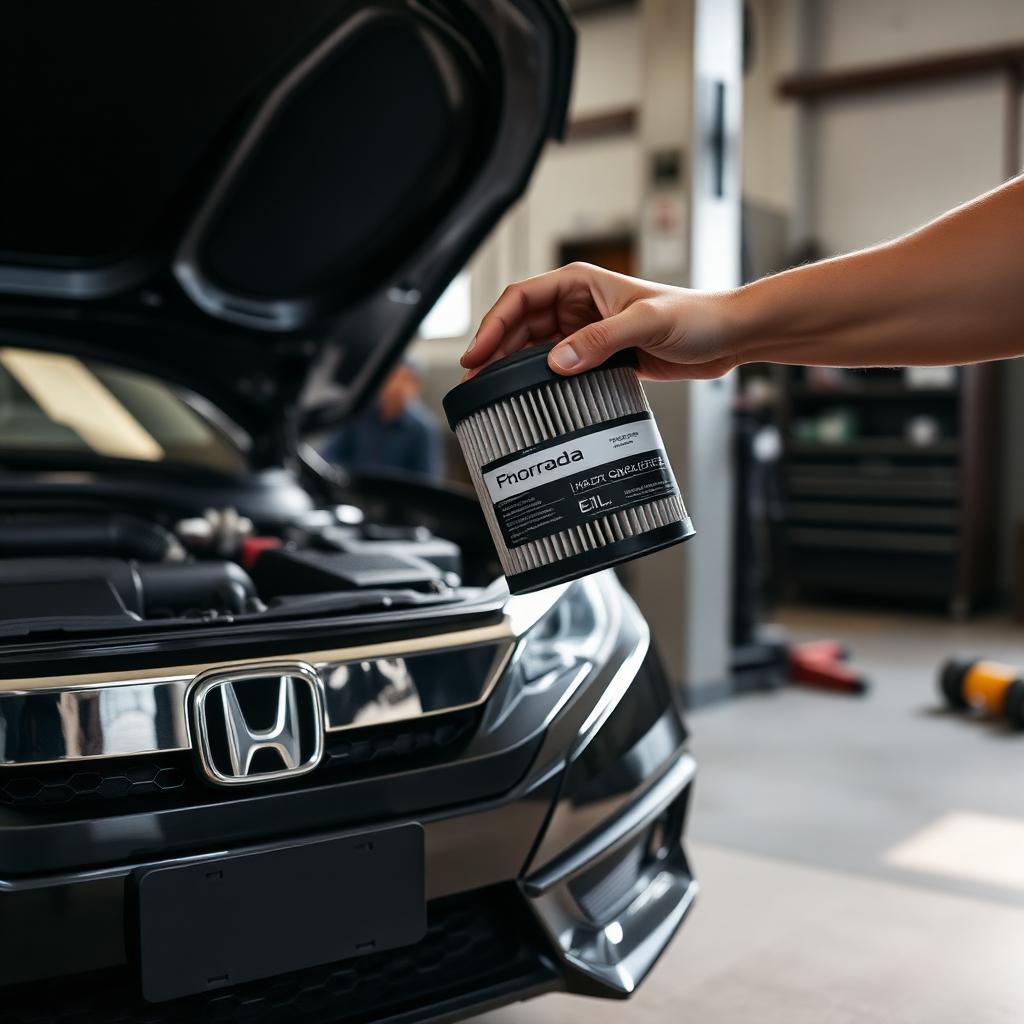
I always ask to see the fluid bottles or filter boxes before authorizing the work. Generic "transmission fluid" is the single most common source of damage on a Honda CVT or DCT.