Quick Answer
The essential car maintenance checklist is built around four tiers: monthly visual checks (tire pressure, lights, washer fluid), a 7,500 to 10,000 km core service (oil, filter, tire rotation), a 25,000 to 30,000 km filter and brake inspection, and a 50,000 to 60,000 km fluid renewal of brake fluid, coolant, and a battery load test.
Following this rhythm keeps the engine clean, the brakes safe, and the resale value intact. Skipping any tier usually costs more in repairs than a year of routine service.
Why Modern Cars Still Need a Schedule
Modern engines are built to tighter tolerances than ever, but that precision cuts both ways. Worn oil, a clogged filter, or a dying battery will compound into a much bigger failure if you ignore it for a few thousand kilometres.
A structured checklist also protects resale value. Service records are one of the first things a serious buyer looks at, and a documented history can lift the trade in price meaningfully.
Monthly Driver Level Checks
You do not need a lift or a scan tool to do these. Set a reminder for the first weekend of the month.
- Tire pressure: Check cold tires with a digital gauge. Inflate to the PSI on the driver door placard, not the maximum PSI on the sidewall. Correct pressure cuts uneven wear and improves fuel economy.
- Lights: Walk around the car and confirm high beams, low beams, brake lights, turn signals, and hazards all work. A dead bulb is a ticket waiting to happen.
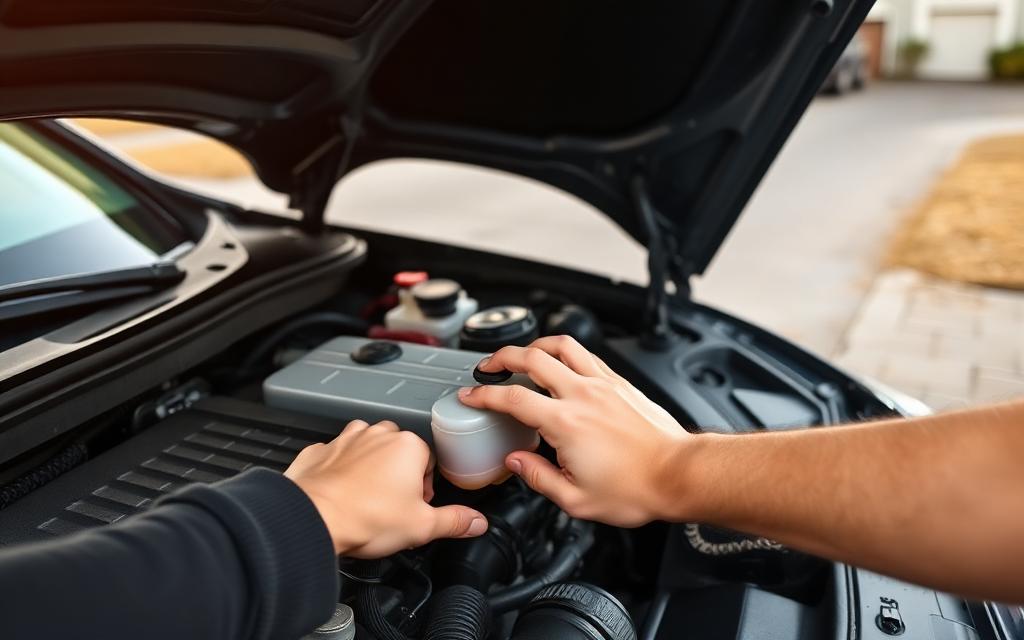
- Washer fluid: Top up with a seasonal blend. Use a winter formula in cold months so the reservoir does not freeze.
- Visual leaks: Glance under the car for fresh oil or coolant spots after it has been parked overnight.
The 7,500 to 10,000 Kilometre Core Service
This is the foundation. I aim to hit it twice a year even if I have not driven much.
Oil and Filter
Engine oil is a lubricant, a coolant, and a sludge carrier. Over time it shears down, picks up combustion byproducts, and loses its film strength. Changing the oil and filter together prevents sludge in the rocker arms and protects the bearings.
Tire Rotation
Front tires wear out faster than rear tires because they steer and, on most cars, drive. A cross pattern rotation at every service evens the wear and squeezes more life out of the set.
The 25,000 to 30,000 Kilometre Inspection
At this interval the inspection gets deeper.
Air Filters
The engine air filter keeps grit out of the cylinders, and the cabin filter cleans the air you breathe at the vents. Both are cheap and quick. A clogged engine filter chokes power and fuel economy, and a clogged cabin filter smells musty when the heater runs.
Brake Pads and Rotors
Look at the pad through the wheel spokes. If the friction material is thinner than 3 mm, replace the pads before the metal backing scores the rotor. Catching this early saves the rotor and a much larger bill.
The 50,000 to 60,000 Kilometre Deep Service
Fluids that looked fine for years start to need attention here.
- Brake fluid: Brake fluid absorbs moisture from the air, which lowers its boiling point and makes the pedal spongy under hard use. A full flush restores firm, predictable braking.
- Coolant: Old coolant turns acidic and stops protecting the radiator and water pump from corrosion. Flush and refill with the manufacturer specified mix.
- Battery load test: Ask the shop to load test the battery. It catches a weak battery before it strands you on a cold morning.
- Spark plugs: Most modern iridium plugs last 80,000 to 100,000 km, but it is worth checking the gap and the electrode at this service.
Tyres, Wipers, and Belts
Outside the calendar service, three wear items deserve their own attention.
- Tyres: Check tread depth with a coin or a tread gauge. Most regions consider tyres legally worn at 1.6 mm, but I replace at 3 mm because wet weather grip falls off a cliff below that.
- Wiper blades: Replace every 12 months or as soon as you see streaks. A poor wiper is a safety issue in heavy rain.
- Drive belt: Pop the hood and inspect the accessory belt for cracks, glazing, or missing chunks. A snapped belt strands you and can cause overheating.
Seasonal Notes
Heat and cold both stress your car. Before summer, I check the air conditioning vent temperature and top up coolant. Before winter, I switch to winter tires where I live, check the battery, and swap to a cold weather washer fluid that resists freezing.
Building Your Service Log
Keep a simple log. A note in your phone with the date, mileage, and what was done is enough. When the next owner or your future self asks when the brake fluid was last flushed, you will have an answer in seconds.
The takeaway
Treat maintenance as a rhythm, not a reaction. Monthly checks, a core service every 7,500 to 10,000 km, a filter and brake inspection every 25,000 to 30,000 km, and a deep fluid renewal every 50,000 to 60,000 km will keep almost any modern car running cleanly past 250,000 km.
Common Questions About Car Maintenance
Can I stretch the oil change interval with synthetic oil?
Modern full synthetic oils can go further than conventional, but the safe interval still depends on your driving pattern. Short trips, stop and go traffic, and very cold winters all shorten oil life. I stick close to the manufacturer schedule rather than pushing it.
Do I really need to rotate tyres every service?
Yes if you want even wear. Skipping rotations is the single most common reason a set of tyres lasts 40,000 km instead of 70,000 km. It costs almost nothing to do at every oil change.
How do I know when brakes really need replacing?
Listen for a high pitched squeal from the wear indicator, watch pad thickness through the wheel spokes, and pay attention to a longer pedal travel or a vibration under hard braking. Any of those means it is time for a closer look.