Quick Answer
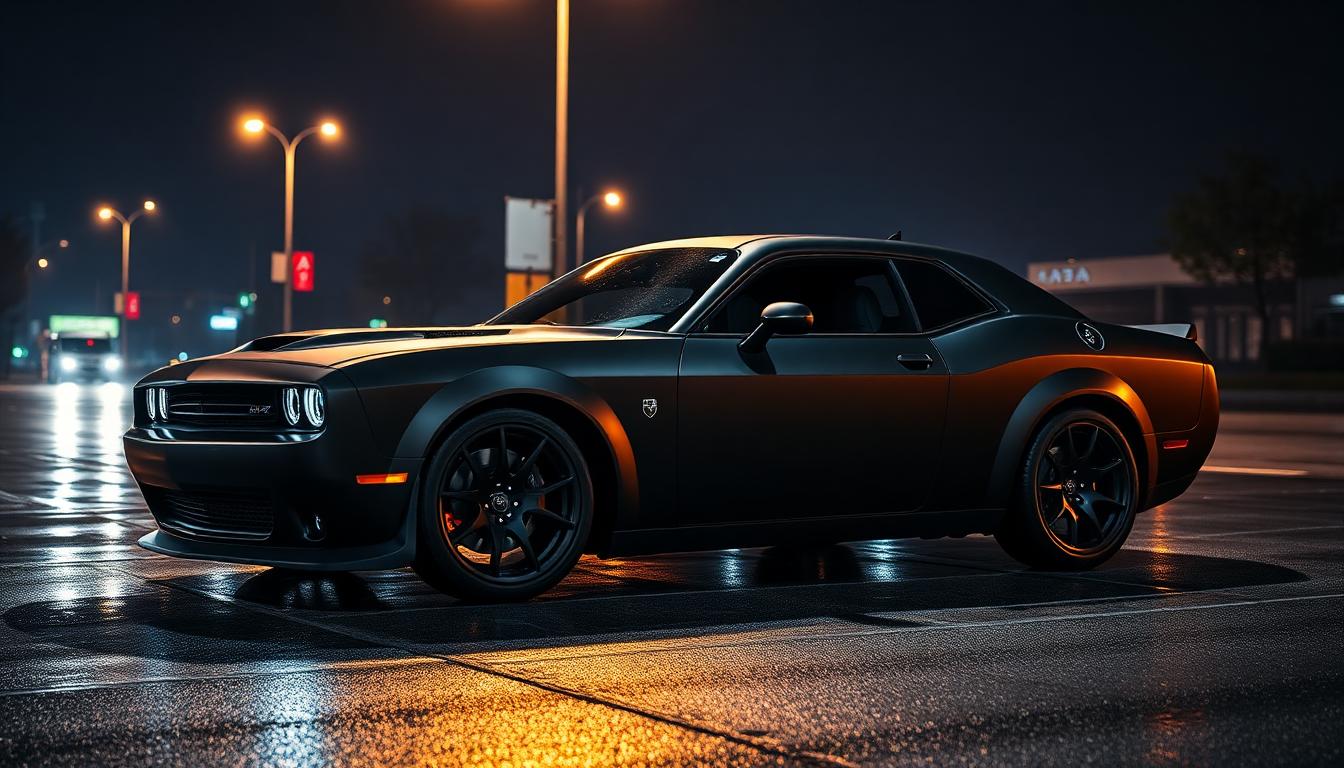
The 2026 Dodge Charger SRT refresh is a complete reinvention of the nameplate built on the new Stellantis STLA Large platform. The lineup splits into two distinct families: the Charger Daytona, an all-electric muscle car that tops out at 670 horsepower in the Scat Pack trim, and the Charger Sixpack, which uses a twin-turbocharged 3.0-liter Hurricane inline-six in two outputs (420 horsepower in the R/T and 550 horsepower in the high-output Scat Pack). Both versions share the same body, the same chassis, the same interior, and the same Fratzonic Chambered Exhaust sound system. The V8 is gone. The fast Dodge is not.
One Platform, Two Powertrain Families
The single most important engineering decision behind the refresh is the STLA Large platform itself. Stellantis built it from the ground up to support battery electric, internal combustion, and hybrid drivetrains on the same assembly line, with the same body in white. That is what lets Dodge offer an EV Charger and a gas Charger that look and feel like the same car.
The shared platform also means shared tuning. Suspension geometry, brake hardware, steering rack, and chassis bracing are common across the lineup. The differences are powertrain, sound calibration, and a handful of weight-distribution-driven setup choices.
| Variant | Powertrain | Output |
|---|---|---|
| Charger Daytona R/T | Dual-motor EV | 456 horsepower (496 with PowerShot) |
| Charger Daytona Scat Pack | Dual-motor EV | 630 horsepower (670 with PowerShot) |
| Charger Sixpack R/T | 3.0L twin-turbo I6 | 420 horsepower, 468 lb-ft |
| Charger Sixpack Scat Pack | 3.0L twin-turbo I6 high output | 550 horsepower, 531 lb-ft |
The Daytona Scat Pack: Electric Muscle Done Right
The Daytona Scat Pack is the headline EV. With both motors engaged and the PowerShot overboost active, it makes 670 horsepower and runs 0 to 60 mph in roughly 3.3 seconds, with a quarter mile in the low 11 second range. All-wheel drive comes standard, with a launch control system tuned for repeatable drag strip runs rather than one-and-done hero numbers.
Suspension is dual-valve adaptive, with a Track Pack option that adds bigger brakes, stickier tires, and a stiffer rear sway bar. The car will not embarrass itself on a road course, but it is built first for straight-line acceleration and second for the kind of confident, controllable, slightly tail-happy behavior that has always defined Dodge performance.
The Fratzonic Chambered Exhaust
The biggest cultural risk for the EV Charger was always sound. A silent muscle car is a contradiction. Dodge's answer is the Fratzonic Chambered Exhaust, a physical acoustic system at the rear of the vehicle that translates motor frequencies into a deep, layered, V8-adjacent roar at 126 decibels.
It is not a speaker piping a fake engine note through the cabin. It is an actual sound generator with physical chambers that produce real pressure waves. In person, the result is closer to a Hellcat than to any other EV on the market, and it changes with throttle, gear simulation, and drive mode.
The Sixpack: Twin-Turbo Inline-Six Power
For buyers who want internal combustion, the Charger Sixpack uses the 3.0-liter Hurricane straight-six in two tunes. The standard R/T puts out 420 horsepower and 468 pound-feet of torque, which is more than the outgoing 5.7-liter Hemi R/T made. The high-output Scat Pack tune delivers 550 horsepower and 531 pound-feet, which is firmly in 392 Hemi territory.
Both versions are all-wheel drive in standard configuration, with a driver-selectable mode that sends 100 percent of the torque to the rear wheels for burnouts, drift practice, and traditional muscle car behavior. Fuel economy is meaningfully better than the V8 cars it replaces, which is the entire reason the Hurricane exists.
Interior and Cabin Technology
Inside, the refresh is a clean break from the previous generation. The dashboard is anchored by a 12.3-inch Uconnect 5 touchscreen angled toward the driver, paired with an available 16-inch freestanding digital instrument cluster. Ambient lighting offers 64 colors and changes with drive mode.
The seats are performance-bolstered but daily-comfortable, with optional Alcantara on the Scat Pack trims. The shifter is a callback to the classic pistol-grip design, the steering wheel is a flat-top, flat-bottom unit with shift paddles on the gas cars and regen paddles on the EVs, and the materials throughout are a clear upgrade over what Stellantis was shipping five years ago.
Body Style and Practicality
The new Charger ships as a two-door coupe and a four-door sedan, both on the same wheelbase. The hatchback-style rear opening (a packaging trick borrowed from the Challenger production lessons) gives the car significantly more cargo space than the outgoing Charger sedan, which makes it more usable as a daily driver.
Rear seat room is competitive with mid-size sedans. The trunk is genuinely useful. The car is bigger than it looks in photos, with a wider track and a longer hood than the previous generation.
Pricing and Availability
The Daytona R/T starts in the mid 50,000 dollar range. The Daytona Scat Pack starts in the mid 70,000 dollar range. The Sixpack R/T comes in noticeably cheaper than the Daytona R/T, and the Sixpack Scat Pack splits the difference between the two EV trims. Dealer inventory is rolling out across North America through the rest of 2026, with European market versions following in 2027.
The Bottom Line
The 2026 Dodge Charger SRT refresh is the most ambitious bet Dodge has made in a generation. By building a dual-platform muscle car that delivers a credible 670 horsepower EV and a 550 horsepower twin-turbo inline-six on the same chassis, Dodge has refused to pick a side in the EV-versus-combustion debate. The Fratzonic exhaust solves the sound problem, the Hurricane engine solves the V8-replacement problem, and the interior finally feels worthy of the price tag. The Hemi era is over. The fast Dodge era is not.