Quick Answer
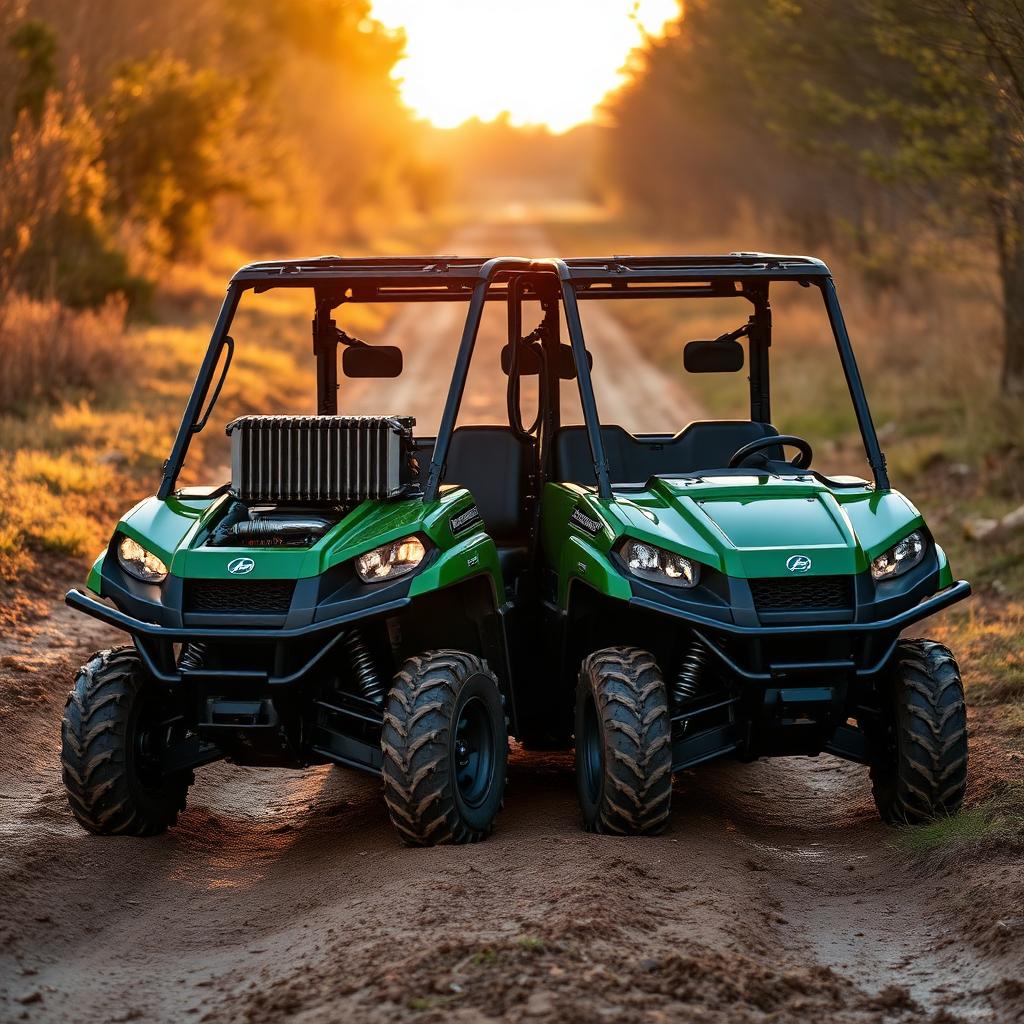
Polaris Ranger UTVs use Polaris Premium Antifreeze (part number 2871323), a 50/50 pre diluted ethylene glycol coolant that is silicate free and phosphate free. If the dealer is out of stock, a 100 percent silicate free Organic Acid Technology (OAT) coolant such as Zerex Asian Vehicle Blue or Peak Antifreeze for European Vehicles is the safe substitute.
Generic green automotive antifreeze (the silicate based stuff) will eat the aluminum water pump and clog the radiator. It is the wrong fluid for any Polaris.
Why Polaris is picky about coolant
Ranger engines run high RPM aluminum blocks with small passage radiators. They also spend a lot of time crawling slowly under load, which means low airflow and high heat. Silicate based coolants drop out their additives in those conditions, forming abrasive deposits that scour the water pump impeller and gum up the radiator fins.
Polaris specifies an OAT formula because it relies on organic acid corrosion inhibitors that stay in solution and protect aluminum even at sustained high temperature.
The factory fluid spec
- Product: Polaris Premium Antifreeze
- Part number: 2871323 (64 oz) or 2876069 (gallon)
- Mix: 50 percent ethylene glycol, 50 percent deionized water, pre diluted
- Chemistry: OAT, silicate free, phosphate free, borate free
- Service life: 24 months or 2,000 operating hours
Safe alternatives if the dealer is out
The substitute must meet all three criteria:
- Silicate free.
- Phosphate free.
- OAT chemistry, pre diluted 50/50.
Fluids I will use in a pinch:
- Zerex Asian Vehicle Blue: OAT, silicate free, dyed blue. Direct substitute.
- Peak Antifreeze for European Vehicles: OAT, silicate free, pink or violet color.
- Engine Ice High Performance Coolant: Propylene glycol based, silicate free. Approved by many UTV builders but check the manual.
Fluids I will not use:
- Generic green Prestone or any old school IAT coolant. Loaded with silicates.
- Dex-Cool orange. The wrong organic acid profile for Polaris.
- Universal coolants that say "fits all vehicles." Usually a blend of incompatible additives.
How to flush the cooling system
I flush every 24 months or 2,000 hours, whichever comes first.
- Cool the engine completely. Never crack a pressurized cap on a hot engine.
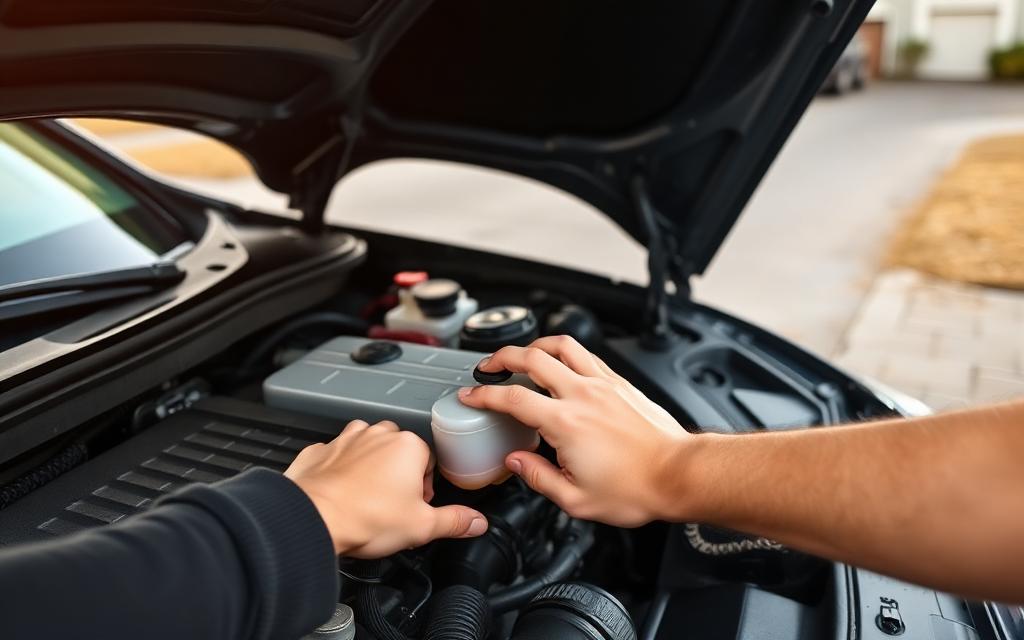
- Place a drain pan under the water pump. Most Rangers have the drain bolt on the lower right side of the engine block.
- Remove the drain bolt and the radiator cap. Let the old fluid purge fully (about 10 minutes).
- Reinstall the drain bolt, fill the radiator with distilled water, start the engine, and let it idle for 5 minutes with the cap off.
- Drain again. Repeat the distilled water flush until the runoff is clear.
- Refill with fresh 50/50 Polaris coolant. Fill slowly to avoid trapping air.
- Burp the system. Leave the cap off, idle the engine, watch for air bubbles, and gently squeeze the upper radiator hose to release pockets.
- Top off the recovery tank to the FULL mark and seal the cap.
Capacity by model
- Ranger 570: about 1.5 quarts
- Ranger 1000 and XP 1000: about 2.0 quarts
- Ranger XP Kinetic (electric): not applicable, the powertrain uses a separate battery cooling loop
I always have an extra quart on hand. Burping the system usually pulls another half cup into the radiator.
Symptoms of the wrong coolant
- Engine running hotter than normal, especially at low speed.
- Brown sludge or gel visible in the recovery tank.
- Sweet smelling coolant leak at the water pump weep hole (failed seal).
- Radiator fins crusting over with white or green scale.
If I see any of these, I flush immediately and switch back to the correct OAT fluid. Damage that has already happened to the pump or radiator is not reversible.
Why my Ranger is running hot
Coolant is only one of several reasons for overheating. Before I assume the fluid is the issue I check:
- Radiator fins packed with mud, dust, or seed pods.
- Cooling fan not engaging (failed thermostat switch or fan relay).
- Low coolant level in the recovery tank.
- Slipping or stretched water pump belt.
- Air pocket in the system from a recent fill that was not burped properly.
Pro tips
- Pressure wash the radiator from the back side, not the front. Front side blasting pushes debris deeper into the fins.
- Mark the coolant tank with a paint pen at the FULL line. The factory line is easy to lose to mud.
- Keep a small bottle of coolant on the trail. A pinhole hose leak is fixable, but only if I can top off.
The takeaway
Polaris Ranger cooling systems need Polaris Premium Antifreeze, or a strict silicate free OAT equivalent. Use the wrong fluid and the aluminum components corrode quickly. A flush every two years with distilled water and a careful burp keeps the engine cool through years of mud, dust, and low speed crawling.