Quick Answer
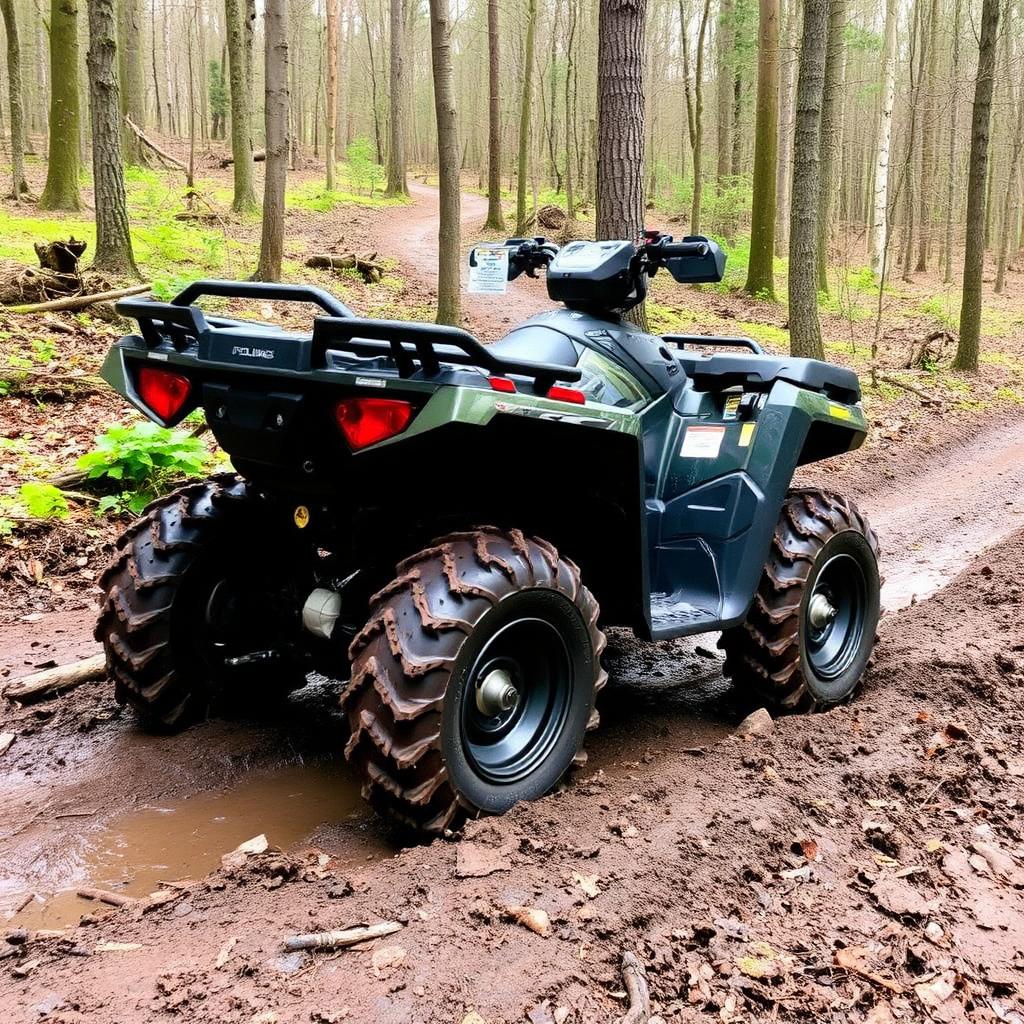
The most common Polaris Sportsman 570 problems are parasitic battery drain when parked for more than a week, CVT belt overheating and shredding when the operator pulls heavy loads in High gear at low speed, hesitant 4WD front hub engagement caused by a failing AWD coil or worn roll cage hubs, and rear ball joint wear that shows up as clunking on rocky trails.
All four issues have permanent fixes: install a smart battery tender, always shift to Low gear under load, replace the AWD coil and grease the front hubs on a schedule, and inspect ball joints every 1,000 miles.
1. Parasitic battery drain
The Sportsman 570 ECM stays partially awake after key off and draws a small constant current. The factory battery is sized for normal weekly use, not for a quad that sits in a barn for a month between rides.
Common symptoms include a quad that turns over slowly the first ride of the season, a dash that lights up but the starter only clicks, or a battery that reads under 12.0 volts after a week of storage.
Permanent fix:
- Always turn the ignition key fully to OFF, not the accessory position. Leaving the key on accessory leaves the gauge cluster powered up.
- Install an AGM battery upgrade with a higher cold cranking amp rating than the factory unit.
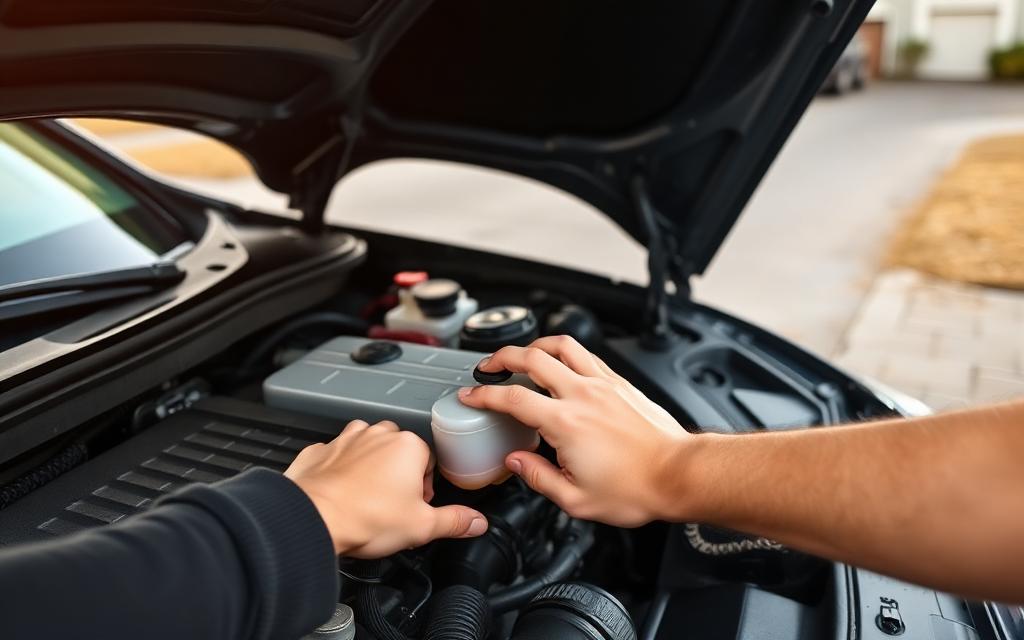
- Wire a battery tender pigtail directly to the battery terminals and run it under the seat. Plug into a smart tender any time the quad sits for more than a week.
- If the drain seems excessive, measure it with the key off using a clamp ammeter on the negative cable. Anything over 30 mA after a five minute settle time points to a failed relay or accessory wired through the wrong fuse.
2. CVT belt overheating and shredding
This is the single most reported Sportsman 570 failure. The symptom is a sudden burning rubber smell, loss of drive, and on inspection a shredded belt inside the clutch housing.
The root cause is operator behavior, not a design defect. When I pull a heavy trailer, drag a plow, or crawl through deep mud at less than 15 mph in High gear, the primary clutch never fully engages the belt. The clutch slips against the belt continuously, generating heat that melts the belt fiber.
Permanent fix:
- Shift to Low gear any time I am towing, plowing, mud bogging, climbing technical rock, or running below 15 mph under load.
- Low gear changes the pulley ratio so the clutch fully engages the belt at lower speeds, which eliminates slip and lets the cooling fan pull heat out of the housing.
- Inspect the CVT intake and exhaust ducts for mud blockage. A blocked duct kills airflow and cooks the belt even in Low gear.
- Carry a spare belt and the basic clutch tools on long trail rides. A belt change on the trail takes 30 minutes once I have done it once.
3. Hesitant or non engaging 4WD
The 570 uses an On Demand AWD system with a single small electromagnetic coil on the front differential that locks the front roll cage hubs when the rear wheels start to slip. When the coil weakens or the hubs corrode, the front wheels do not engage and the quad behaves like a 2WD even with the switch on.
Permanent fix:
- Test the AWD coil with a multimeter. Resistance should be around 18 ohms across the two pins. An open or shorted coil needs replacement.
- Pull the front hubs once a year, clean the roll cage rollers, and pack with Polaris recommended grease. Salt water riders should do this every six months.
- Check the front prop shaft yoke for play. A loose yoke causes a delay between rear slip and front engagement that mimics a coil failure.
4. Rear ball joint and tie rod end wear
The factory rear ball joints on the 570 are a known wear item. Hard trail use, jumping, and hauling heavy loads accelerate wear, and the symptom is a metallic clunk over rocks or curbs at the rear of the quad.
Permanent fix:
- Inspect every 1,000 miles by lifting one rear wheel off the ground and rocking it at the 12 and 6 o clock positions. Any free play means the ball joint or tie rod end needs replacement.
- Replace with heavy duty aftermarket ball joints (Moose, All Balls, EPI). Factory joints last about half as long as the aftermarket units under hard use.
- Pack joints with grease at install and again every 50 hours of operation.
5. EPS (Power Steering) intermittent failure
EPS equipped Sportsmans occasionally throw a power steering fault and revert to manual steering. The dash shows a wrench icon and the steering goes heavy. The usual causes are a low battery voltage condition (the EPS module shuts off below about 11.5 volts) or a corroded ground at the EPS module connector.
Permanent fix:
- Confirm battery voltage above 12.4 volts at rest and above 13.5 volts running.
- Clean and dielectric grease the EPS module main ground (typically bolted to the frame near the steering shaft).
- Update the EPS firmware at a Polaris dealer. Several Sportsman model years received TSBs that fix nuisance EPS faults.
6. Fuel pump failure on early model years
Early Sportsman 570 fuel pumps (in tank module) can fail around 5,000 miles, causing a long crank, a no start, or a stumble under high load. The fix is a replacement OEM or quality aftermarket in tank pump assembly. The job takes about an hour with the seat and rear cargo box removed.
The takeaway
The Polaris Sportsman 570 is a tough, capable quad, but four habits keep it on the trail: a battery tender for storage, Low gear under any load, an annual front hub service, and a quick ball joint check every 1,000 miles. None of those fixes is expensive, and together they prevent the failures that put most 570s on a trailer back to the dealer.