Quick Answer
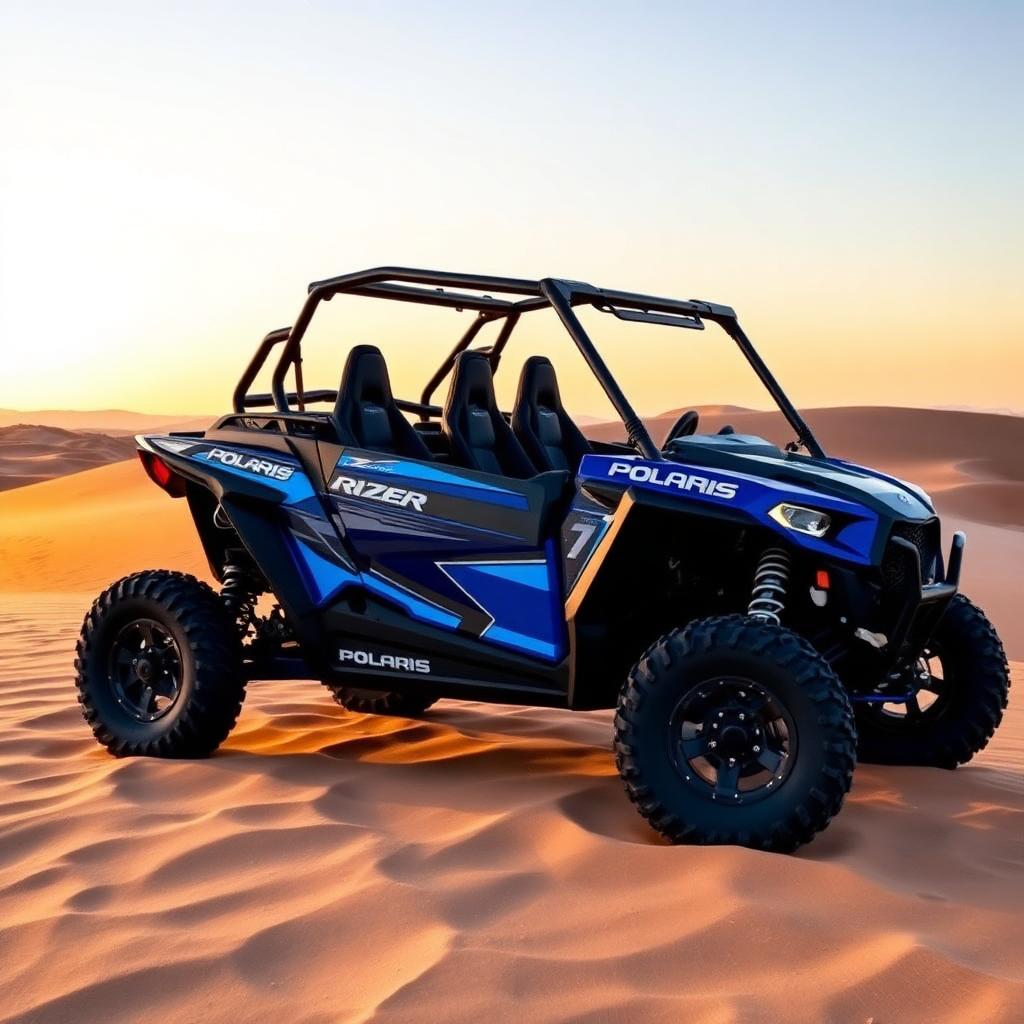
The three most common Polaris RZR problems are premature CVT belt failure, voltage regulator burnout, and front differential gear damage. The fixes are: use Low gear under load, relocate the regulator out of the mud and heat zone, and avoid hard 4WD engagement at speed. Each issue has a clear cause and a permanent workaround.
Most field failures I see come from how the RZR is being used, not from a flaw in the machine itself.
1. CVT belt failure
This is the single most common warranty claim across the RZR XP 1000, Pro XP, and Turbo S lineup. Owners report shredded belts, slipping clutches, and rough throttle response after a hard ride.
Why it happens. The CVT housing traps heat when the machine runs in High gear at low speeds. Crawling rocks, plowing snow, or grinding through deep mud at under 15 mph in High puts massive friction on the belt and no airflow through the clutch cover.
The fixes that actually work.
- Shift into Low any time the speedometer is reading under 15 mph and the load is high.
- Install an aftermarket high airflow clutch cover (Aftermarket Assassins, EPI, Trinity Racing).
- Add a CVT belt temperature gauge so I can pull off the throttle before the belt cooks.
- Carry a spare belt and the basic clutch puller in the cargo bed. A belt swap on the trail takes 20 minutes.
2. Voltage regulator burnout
RZR 900 and XP 1000 models routinely fry their voltage regulators after a year or two of use. Symptoms include flickering dash lights, sudden loss of power steering, and a charge warning that comes and goes.
Why it happens. Polaris mounted the regulator behind the rear wheel well or under the cargo bed on most years. That is exactly where mud, water, and exhaust heat pool. The regulator's heat sink fins clog with debris, the internal diodes overheat, and the unit fails.
The fix. Buy a relocation kit (XTC, Trail Armor, or build my own bracket) and move the regulator to the front nose of the chassis. Open airflow and a clean install knock 30 to 50 degrees Fahrenheit off the operating temperature. I clean the heat sink fins after every muddy ride regardless.
3. Front differential failure
Front diffs on the RZR XP and Turbo models develop cracked housings, spinning sprag clutches, or stripped ring and pinion gears. The classic symptom is a clunk when 4WD engages and a metallic grinding under throttle.
Why it happens. The factory front diff uses an electrically actuated sprag clutch (Polaris calls it the AWD system). When the rear tires lose traction, the system engages the front wheels in a fraction of a second. Engaging at high speed or under heavy torque shock loads the gears.
The fix. Two paths:
- Behavioral: ease off the throttle the moment I feel rear wheel slip. Let the system engage gently.
- Hardware: install an aftermarket billet front diff (Demon Powersports, SuperATV Rhino) or a manual locker conversion for hard wheeling.
4. Sticky throttle pedal sensor
A throttle pedal that hangs open after release, especially on cold mornings, shows up on early RZR XP 1000s and the Pro XP. The pedal position sensor reads the pedal arm magnetically. Dirt and freezing moisture between the pedal arm and the sensor cause stiction.
The fix is simple. Pull the pedal assembly, clean the sensor face and the magnet on the pedal arm, and apply a thin film of dielectric grease.
5. Door latch and door panel failure
The factory plastic door latches and pin hardware crack within 2,000 miles on most early Pro XP and XP 4 models. The door starts rattling, then the upper hinge cracks, and eventually the door pops open mid trail.
The fix is steel aftermarket latches (Pro Armor, Trail Armor, Razorback) or a billet aluminum door hardware upgrade. I refuse to ride without them on a high mileage RZR.
6. Driveline vibration after lift kit install
Owners who install a 3 or 4 inch lift report a high speed vibration that gets worse above 35 mph. The cause is the front driveshaft angle exceeding the CV joint operating range.
The fix is a high clearance lower A arm and a tougher front driveshaft (Rhino Brand 2.0 or similar). Skipping that step turns a $400 lift kit into a $1,500 driveline rebuild after one bad day.
How to extend RZR life
- Change the engine oil every 50 hours, not the manual's 100 hour interval. Dust intrusion is brutal.
- Service the front and rear diffs every 100 hours with the correct Polaris Premium Demand Drive Plus fluid.
- Pressure wash from inside the engine bay outward, never from the outside in.
- Inspect the airbox seal monthly. A bad seal lets dust into the throttle body, which destroys cylinders.
Pro tips
- Join a model specific Facebook group or forum. The community knows about every TSB before the dealer does.
- Buy a basic OBD reader that talks to the Polaris ECM. Aftermarket tools like the PoweriRev or Tune ECU can read live data and pull codes.
- Document every service in a notebook in the glovebox. Resale value loves a complete service history.
The takeaway
Polaris RZRs are aggressive machines built for hard use, and they fail in predictable places. CVT belts, voltage regulators, and front diffs are the big three, and every one of them has a known fix. Shift into Low under load, relocate the regulator, ease into 4WD engagement, and the RZR will run for thousands of trail miles.