Quick Answer
The most common Polaris Ranger problems are turf mode rear differential failures, chronic engine overheating from a clogged radiator, electronic power steering faults, and CVT belt slippage under heavy load. Each has a clear root cause and a known fix. None of them are deal breakers if I service the machine properly.
Ranger reliability has gotten much better since 2020, but the legacy issues from the 900 and early XP 1000 platforms still show up on the used market.
1. Turf mode rear differential failure
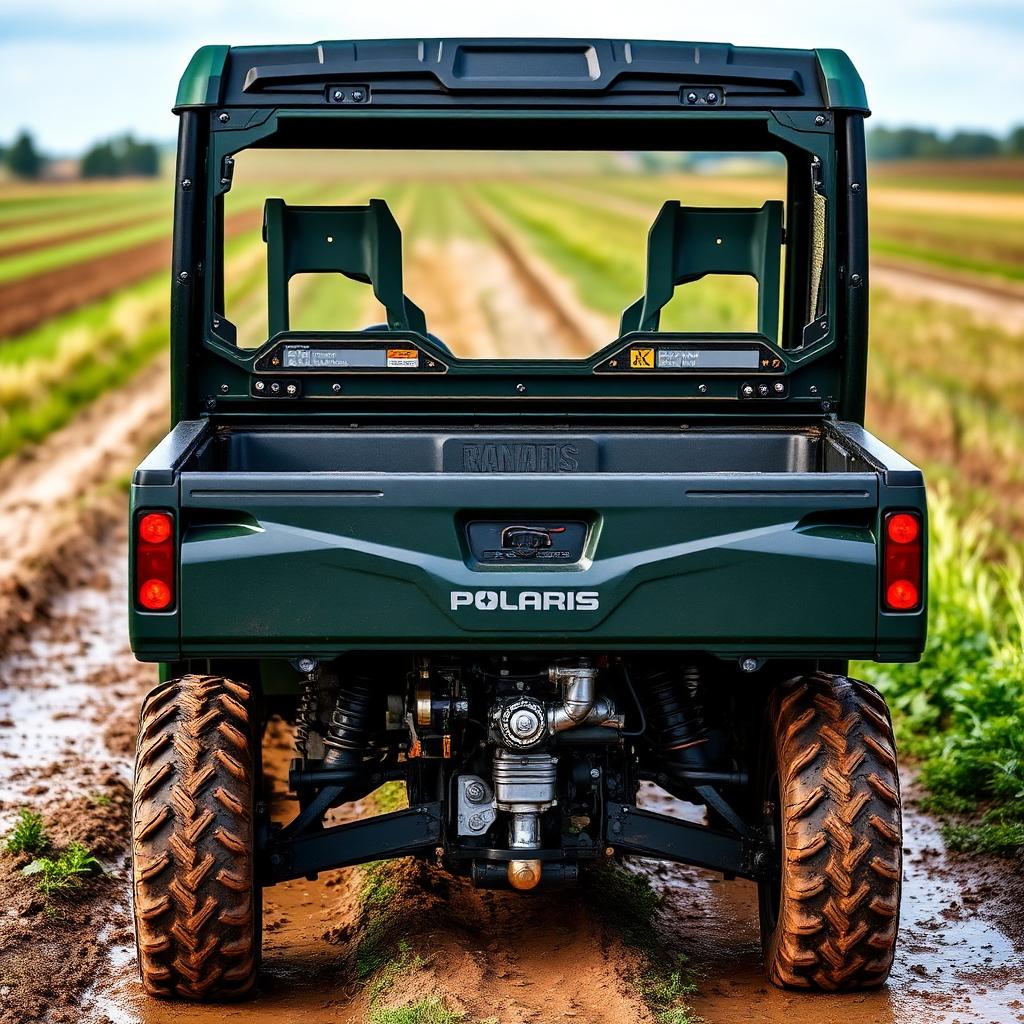
This is the single most expensive failure I see on Ranger 900 and XP 1000 models. The rear differential housing cracks open, planet gears shear their retaining pins, and metal shavings circulate through the entire rear end.
Why it happens. Polaris uses an electrically actuated open / locked rear differential called Turf Mode. The mechanism prevents the rear tires from scuffing a manicured lawn during tight turns. The internal carrier uses thin retaining pins and cast aluminum components that cannot handle shock loads.
The fix.
- Never toggle Turf Mode while the wheels are spinning or loaded.
- Engage Turf only at full stop, on level ground.
- For heavy work, install an aftermarket billet rear differential housing (SuperATV, Demon Powersports) or a turf mode delete kit.
- Check the rear diff fluid every 50 hours. Metal flake on the magnetic drain plug is the early warning.
2. Chronic overheating
A Ranger that pulls power and shows a high temp warning during summer field work is almost always suffering from a clogged radiator or a coolant air pocket.
Why it happens. The front mounted radiator sits in the path of every seed pod, mud spray, and dust cloud the front tires throw. The fins clog with chaff and insulate the core. On top of that, the cylinder head coolant lines trap air pockets that prevent proper circulation.
The fix.
- Clean the radiator from the back side outward with a low pressure garden hose. Never blast from the front.
- When refilling coolant, raise the front of the machine 6 to 12 inches on ramps so trapped air migrates up to the radiator neck.
- Install a fine mesh aftermarket radiator screen to keep debris off the fins in the first place.
- Run only Polaris Premium Antifreeze or a verified silicate free OAT equivalent.
3. Electronic power steering faults
EPS faults on Ranger 570, 900, and XP 1000 show up as a sudden loss of assist mid trail, often with a flashing dash warning. The steering goes heavy without warning, especially on tight turns.
Why it happens.
- Low battery voltage. The EPS unit pulls 60 amps under load. A weak battery causes the controller to shut down to protect itself.
- Corroded EPS connector. The factory connector behind the dash collects moisture and corrodes.
- Failed torque sensor inside the EPS column.
The fix. Start with the battery: load test it and replace if it cannot hold 12.4 V under load. Pull the EPS connector, clean both ends with electrical contact cleaner, apply dielectric grease, and reseat. If the fault persists, the EPS unit itself usually needs replacement, a $700 to $1,100 job.
4. CVT belt slippage
Ranger XP 1000 and XP 1000 NorthStar models slip belts when towing heavy loads up grades, especially in High range. Symptoms include a burning smell from under the cargo bed and rough engagement off the line.
The fix.
- Shift to Low any time the speedometer reads under 15 mph under load.
- Install a high airflow clutch cover.
- Carry a spare belt. Field belt swaps take 20 minutes with basic tools.
5. Door latch and roof rattle
The factory door latches on Ranger Crew models loosen and rattle within 1,000 hours. The roof develops a creak at every pothole.
The fix. Tighten every visible bolt at the 100 hour service, including the roof to roll cage clamps. Replace the plastic door latches with metal aftermarket units (Pro Armor, Trail Armor) when they wear out.
6. Fuel pump failure
Ranger 570 and 900 models from 2017 to 2020 have an elevated failure rate on the in tank fuel pump. Symptoms include hard starting, stumbling at idle, and a hot start crank that goes on for 5 to 10 seconds.
The fix. Replace the fuel pump assembly with an updated OEM part. The job takes 2 to 3 hours and runs $250 to $400 in parts.
7. Battery drain when parked
A Ranger that sits more than two weeks often comes back to a dead battery. The factory accessory wiring leaks a small parasitic draw through the ECU and the radio.
The fix. Install a battery disconnect switch on the negative terminal, or run a trickle charger. Battery Tender Junior keeps a Ranger battery topped off through a season of disuse.
Maintenance schedule that prevents 80 percent of problems
- Engine oil and filter: every 50 hours, not 100.
- Front and rear diff fluid: every 100 hours.
- CVT belt inspection: every 25 hours.
- Air filter: every 25 hours of dusty use.
- Coolant flush: every 24 months.
- Brake fluid: every 24 months.
- Radiator screen cleaning: after every dusty or muddy ride.
What is no longer a problem
A few legacy complaints from older Rangers have been quietly fixed:
- The 2014 to 2017 Ranger 900 throttle body sticking issue was resolved with a redesigned pedal sensor in 2018.
- The fuel injector recall from 2019 was completed by Polaris through the dealer network.
- The early Pro XP cab vibration was addressed with a redesigned engine mount in 2021.
Pro tips
- Buy a Ranger from a state with low humidity if buying used. Northeast and Pacific Northwest machines have far more rust and corrosion issues.
- Pull the rear cargo bed once a year. The wiring underneath needs inspection.
- Track every service in a notebook in the glovebox. Future buyers and warranty claims love the paper trail.
- Join the official Polaris Ranger forum. Common failure patterns get diagnosed there before dealer service bulletins go out.
The takeaway
Polaris Rangers are tough utility machines with a handful of known weak spots: the turf mode diff, the front radiator, the EPS unit, and the CVT belt. Service intervals on the tight end of the spec, careful operating habits, and a couple of aftermarket upgrades take care of every common failure mode. A well kept Ranger will run 5,000 hours without major drama.